We learnt about visual journal, which is a type of art in the last lesson, so we have broadened our knowledge about its creation, vareities and benefits. In this lesson, we spend time on information about line design, another art form called graphic art form, to solve the most important problem: how to create variety in a line design.
Line design is a type of graphic design that uses lines to create images, patterns, and shapes. Lines can be used to represent objects, figures, or emotions. They can also be used to create a sense of movement, rhythm, or balance in a design.
Line design is a versatile and powerful tool that can be used to create a variety of different effects. By understanding the principles of line design, you can create designs that are both visually appealing and effective.
Line design can be used in a variety of different contexts, including:
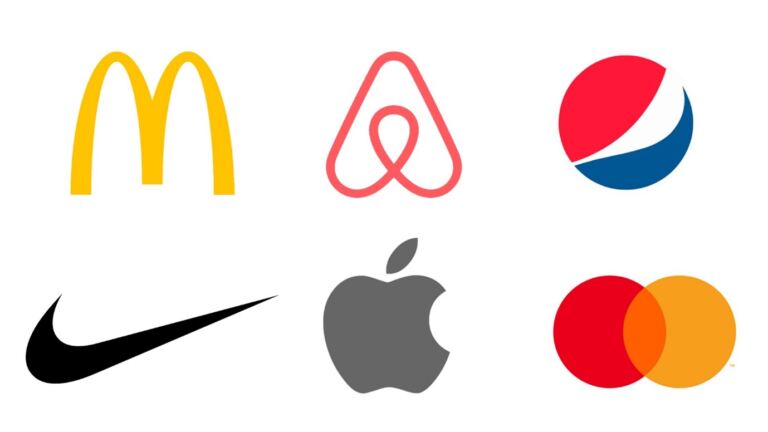
Lines can be used to create simple, effective logos that are easy to remember and recognizable. For example, the Nike swoosh logo is made up of two curved lines that represent the wings of a goddess of victory.
Lines can be used to create clean, modern web designs that are easy to navigate. For example, the Google homepage uses a simple grid of lines to organize its search bar, logo, and other elements.

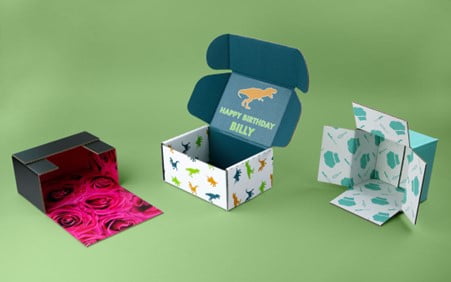
Lines can be used to create eye-catching product packaging that stands out on the shelf. For example, the Apple iPhone packaging uses a simple white box with black lines to create a minimalist, elegant design.
Lines can be used to create a sense of space and movement in an interior space. For example, a hallway with parallel lines can create a sense of perspective and depth.
Variety is important in line design because it helps to create a more visually interesting and engaging composition. Here are some tips on how to create variety in a line design:
As mentioned above, there are many different types of lines that can be used in line design. Straight lines, curved lines, dashed lines, wavy lines, and oblique lines can all be used to create different effects. Experiment with different types of lines to see how they can be used to create different moods and atmospheres in your design.
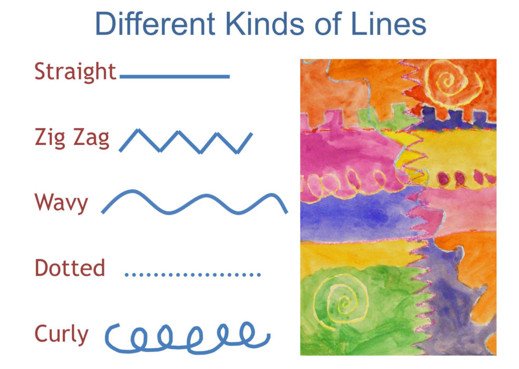
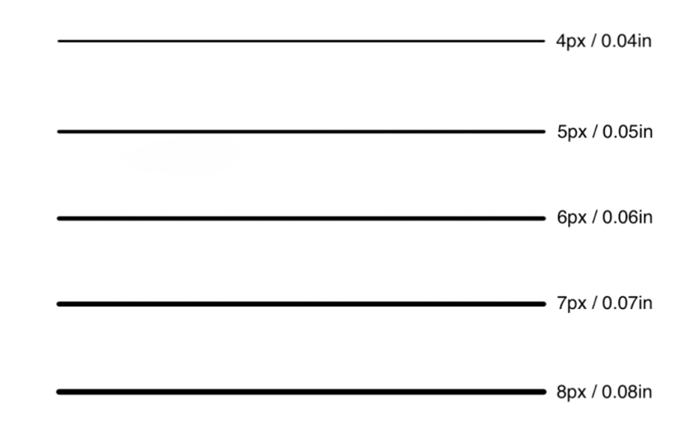
The thickness and weight of lines can also be used to create variety in a line design. Thick lines can be used to create a sense of power or importance, while thin lines can be used to create a sense of delicacy or elegance. You can also use lines of different weights to create a sense of rhythm or movement in your design.
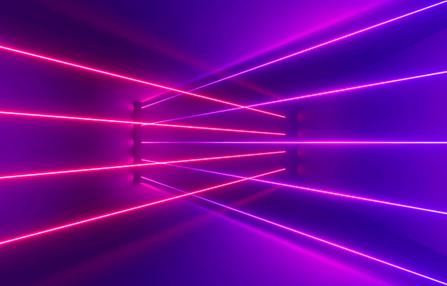
The spacing between lines can also be used to create variety in a line design. Closely spaced lines can create a sense of unity or density, while widely spaced lines can create a sense of openness or spaciousness. You can also use the spacing between lines to create a sense of perspective or depth in your design.
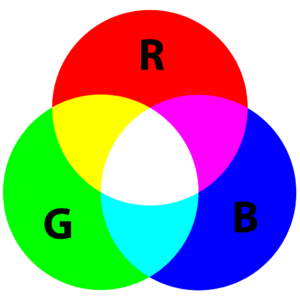
Lines can also be used to create variety by using different colors and textures. For example, you could use black lines on a white background to create a sense of contrast, or you could use colored lines on a neutral background to create a more playful or whimsical design. You can also use textures to add interest to your line design, such as using dotted lines, dashed lines, or wavy lines.
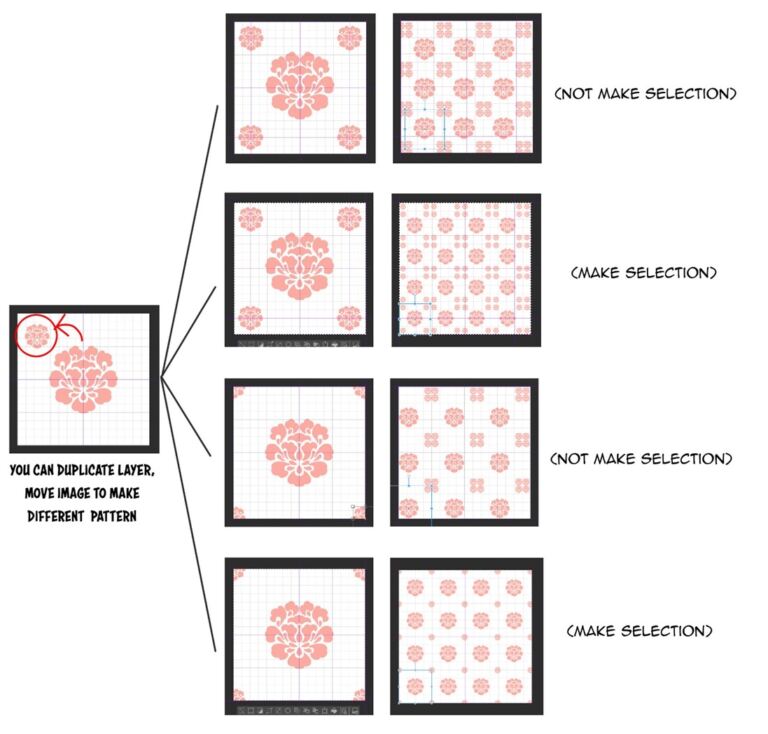
Lines can also be used to create variety by using different patterns. For example, you could use a repeating pattern of lines to create a sense of rhythm or movement, or you could use a random pattern of lines to create a more abstract or chaotic design.
In a nutshell, line design is an art form that is not only basic but also important. As we have learnt, line design can be appiled in variety fields and situations. Therefore, the development of line design is faster and faster. There are dozens of methods of learning this art form, that makes line design easier to be approached. More and more people spend time on learning, even mastering this kind of art, so that they can earn from their art work.
There was a problem reporting this post.
Please confirm you want to block this member.
You will no longer be able to:
Please note: This action will also remove this member from your connections and send a report to the site admin. Please allow a few minutes for this process to complete.
Sign up for our fortnightly newsletter with the best travel inspirations.