


Lesson 7 – Columbian Trade Exchange
Introduction
The Columbian Exchange denotes the extensive transfer of plants, animals, and ideas between the Americas and Europe after Christopher Columbus’s voyages in the 15th and 16th centuries. This exchange profoundly influenced both continents: Europe benefitted from new crops like potatoes, spurring population growth, while the Americas were introduced to wheat and livestock but also faced devastating Old World diseases. The Exchange played a crucial role in shaping global history, underscoring the interconnectedness of today’s world.
I. Columbian Exchange Definition
The Columbian Exchange is a concept introduced by historian Alfred Crosby Jr. in his groundbreaking work in 1972. It describes the profound and expansive exchange of agricultural products, livestock, wildlife, diseases, and cultural practices between the Old World, primarily Europe and Africa, and the New World, primarily consisting of the Americas. This multifaceted interchange started as a ripple effect following the voyages of Christopher Columbus in 1492, who, in seeking a westward route to Asia, inadvertently connected two worlds that had evolved in isolation for millennia. As European powers recognized the potential of these newfound lands, the pace of this exchange intensified. The European colonization and subsequent settlement in the Americas further propelled this exchange, leading to transformative ecological, societal, and economic impacts on both sides of the Atlantic.
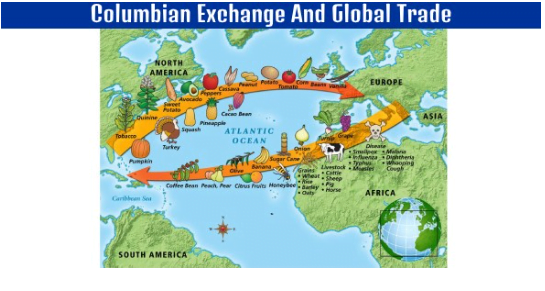
Firgure 01: The Columbian Exchange and Globle Trade
II. Factors Driving the Columbian Trade Exchange
1. Discovery of the Americas by Columbus and Subsequent Voyages
Christopher Columbus’s maiden voyage in 1492, financed by the Spanish monarchy, aimed to find a westward route to Asia but unexpectedly led to the discovery of the Americas. This monumental discovery opened the gates for a series of expeditions by various European powers eager to explore, colonize, and tap into the untapped resources of this “New World”. The subsequent voyages, undertaken by explorers from Spain, Portugal, England, and France, among others, established initial contacts and trade routes, setting the stage for the extensive exchange of goods, ideas, and cultures between the Old and New Worlds.
2. Economic Demand and the Rise of International Trade
The late 15th and early 16th centuries were marked by a significant increase in international trade, driven by Europe’s burgeoning economies and their desire for new trade routes to Asia. The traditional routes to Asia were perilous and often controlled by middlemen, making the goods expensive upon their arrival in Europe. The newly discovered lands presented not only potential direct routes to Asia but also a wealth of resources – from gold and silver to entirely new crops. European powers, recognizing the economic potential, were eager to establish colonies, set up trade networks, and exploit the rich resources of the Americas. This economic demand facilitated the flow of goods, technologies, and ideas across the Atlantic, cementing the foundations of the Columbian Trade Exchange.
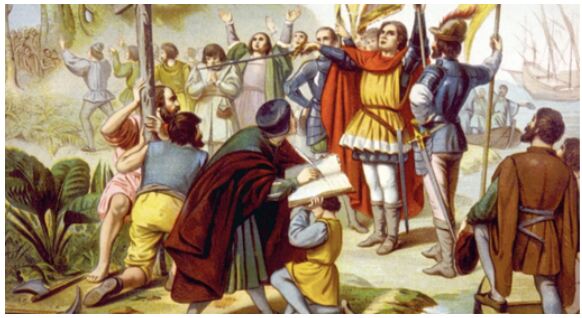
Figure 03: Interaction between Old and the New World via travels was a huge environmental turning point, which was known as Columbia Exchange.
III. Major Products, Animals, and Crops Exchanged
1. From the Americas to Europe, Asia, and Africa
Crops:
Some of the most transformative crops introduced to Europe, Asia, and Africa from the Americas included potatoes, which would come to play a vital role in European diets; chocolate, derived from cacao beans, which would become a beloved treat worldwide; chili peppers, adding a spicy flavor to countless dishes; tomatoes, revolutionizing European cuisines; and tobacco, which would become a lucrative commodity and a global habit.
Animals:
While the Americas primarily contributed to the global flora exchange, there were also some animal exchanges. Notably, llamas and turkeys were among the few animals to cross the Atlantic eastward.
Diseases:
The inadvertent exchange of diseases was profound. While many deadly diseases came from the Old World to the Americas, syphilis is often cited as a disease that traveled from the Americas to Europe.
2. From Europe, Asia, and Africa to the Americas
Crops:
Several staple crops were introduced to the Americas, dramatically altering diets and agricultural practices. Wheat became a primary grain in many parts of the Americas. Tea plants, though more associated with Asia, also made their way to some parts of the continent.
Animals:
The introduction of European, Asian, and African animals to the Americas had significant ecological and social impacts. Horses transformed transportation, warfare, and hunting practices for many indigenous peoples. Livestock like cattle and sheep introduced new food sources and agricultural practices.
Diseases:
The Old World introduced a slew of diseases to the Americas, with devastating consequences for native populations. Diseases like smallpox, measles, and mumps decimated indigenous communities, leading to significant demographic shifts.
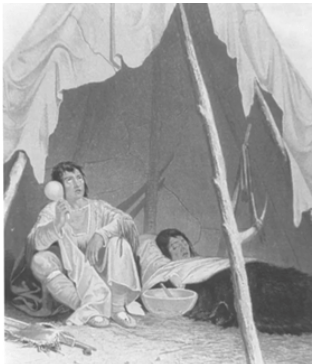
Figure 04: During the Columbian Exchange, native Americans were the worst hit by deadly diseases.
IV. Influences of the Columbian Exchange on Nations and Territories
1. Effects on Population
Decline of Indigenous Populations:
One of the most devastating impacts of the Columbian Exchange on the Americas was the sharp decline in the indigenous population. This was largely due to diseases introduced by the Europeans, such as smallpox, measles, and influenza. These diseases, to which the native populations had no immunity, spread rapidly and led to widespread fatalities, reshaping the demographic landscape of the Americas.
Population Growth in European Countries:
Conversely, Europe experienced a significant rise in its population. This can be attributed to the introduction of nutrient-rich crops from the Americas, such as potatoes and maize. These new food sources provided a more stable and abundant food supply, which contributed to better health and increased birth rates.
2. Economic Effects
Boost in Agriculture and Trade:
One of the most devastating impacts of the Columbian Exchange on the Americas was the sharp decline in the indigenous population. This was largely due to diseases introduced by the Europeans, such as smallpox, measles, and influenza. These diseases, to which the native populations had no immunity, spread rapidly and led to widespread fatalities, reshaping the demographic landscape of the Americas.
Dawn of Global Economy:
The Columbian Exchange laid the foundation for modern global trade. With the continuous flow of goods, ideas, and people across continents, a more interconnected and interdependent global economic system began to emerge.
3. Cultural and Social Impacts
Cultural and Culinary Fusion:
The Columbian Exchange led to a blending of cultures, especially evident in global cuisines. European dishes were transformed with the addition of ingredients like tomatoes and chili peppers from the Americas, while foods like wheat and beef reshaped diets in the New World.
Spread of Customs and Languages:
Along with tangible goods, intangible cultural elements were also exchanged. European settlers brought their customs, traditions, and languages to the Americas, influencing and often replacing indigenous practices and dialects. Conversely, some indigenous customs and words became integrated into European cultures.
IV. FAQ
How did the Columbian Exchange impact population dynamics in the Americas and Europe?
The Columbian Exchange had significant impacts on population dynamics in the Americas and Europe. It led to a drastic decline in indigenous populations in the Americas due to the introduction of new diseases, such as smallpox, to which they had little immunity. In contrast, the exchange brought about population growth in Europe due to the introduction of new food crops and increased access to resources from the Americas.
What were the major crops, animals, and diseases exchanged during the Columbian Exchange, and what were their ecological and cultural effects?
Major crops exchanged during the Columbian Exchange included maize (corn), potatoes, tomatoes, and various types of beans from the Americas, which became important food staples in Europe. Animals exchanged included horses, cattle, and pigs, which profoundly transformed the way of life and agricultural practices in the Americas. Diseases, particularly those brought by Europeans, had devastating effects on indigenous populations, causing widespread death and societal disruptions.
What were the economic consequences of the Columbian Exchange, and how did it contribute to the emergence of a global interconnected economy?
The Columbian Exchange had significant economic consequences. It introduced new crops that revolutionized agriculture and increased food production in different regions. The exchange of precious metals, such as silver and gold from the Americas, enriched European economies. The trade of goods, including spices, tobacco, and sugar, fostered the emergence of a global interconnected economy, shaping patterns of colonization, trade routes, and economic dominance.
Conclusion
The Columbian Trade Exchange is a cornerstone event in our global historical narrative. Its profound impact reshaped societies, economies, and cultures on a worldwide scale. Recognizing its significance provides context for understanding contemporary global interactions. Additionally, reflecting on its outcomes offers guidance and insights for navigating our interconnected world today and in the future.