


Chapter 1, Lesson 6
In Progress
Lesson 6 – How to Interprete Hyphenation Conventions
Chapter Progress
0% Complete
Introduction
Hyphenation conventions can confuse writers, as the rules and guidelines surrounding when to use hyphens can seem elusive and inconsistent. Incorrect hyphenation can disrupt the clarity and flow of your writing, leading to misunderstandings. In this lesson, we will demystify the world of hyphenation and provide practical solutions and clear examples to navigate this often perplexing aspect of language.
I. Definition
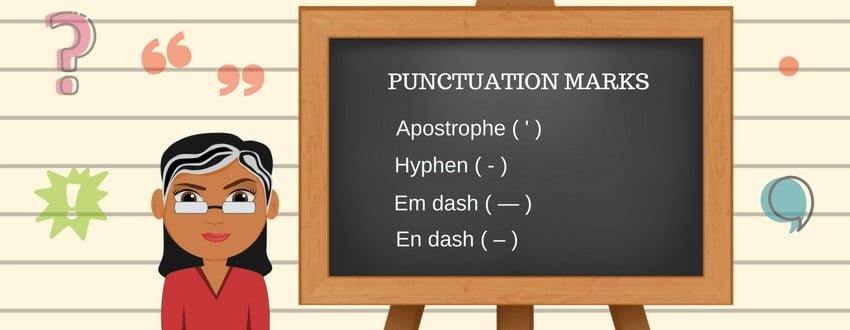
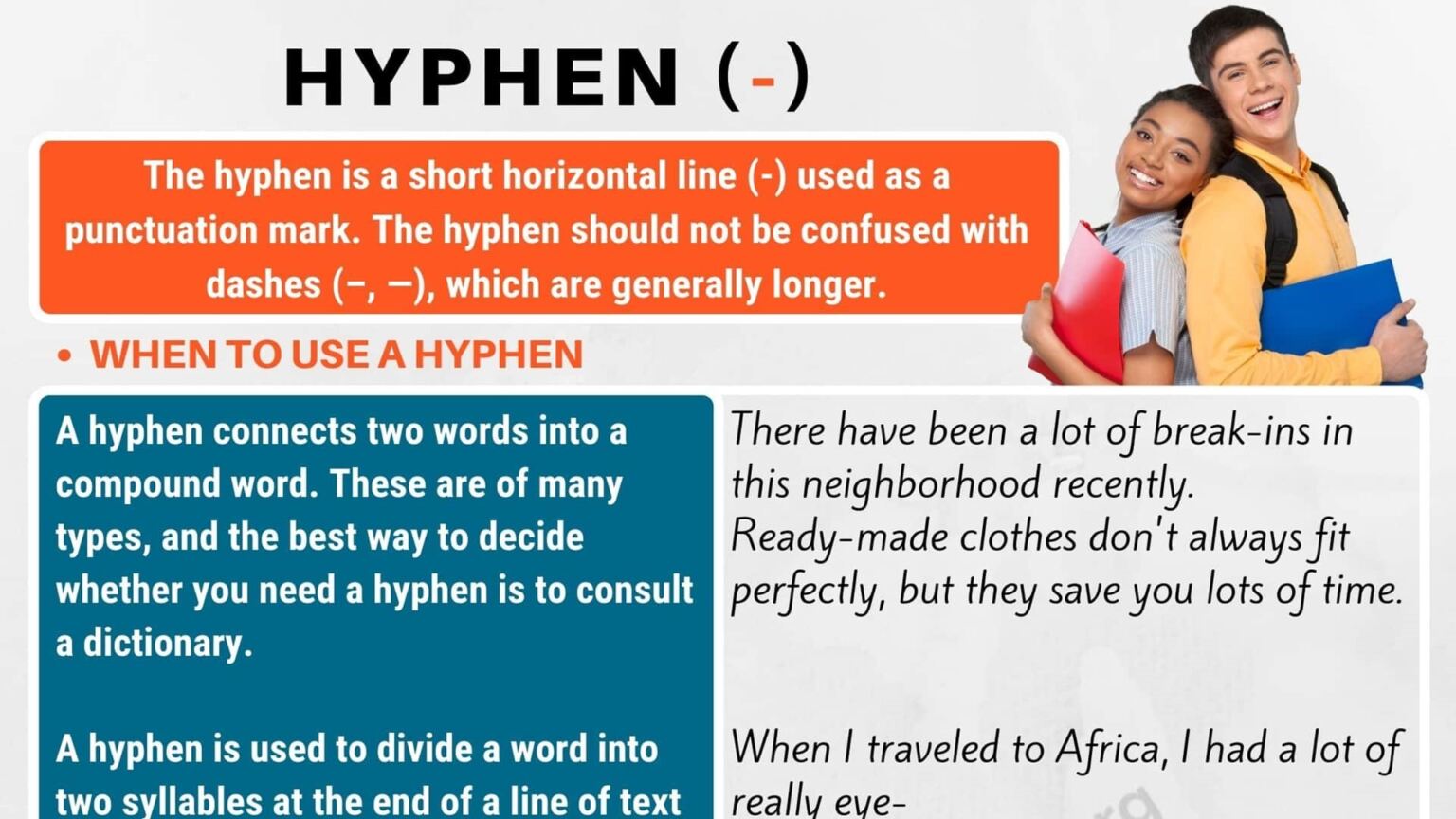
A hyphen (-) is a punctuation mark employed to connect words or parts of words, distinct from other types of dashes. A hyphen should be used when a compound modifier appears before the word it modifies. When uncertain about whether to hyphenate a compound word, it is recommended to refer to a reputable dictionary of your choosing. A reliable dictionary can provide valuable guidance in determining the correct usage of hyphens in compound words.
1. How to Use a Hyphen Correctly
Here’s a table summarizing the different aspects of hyphenation conventions:
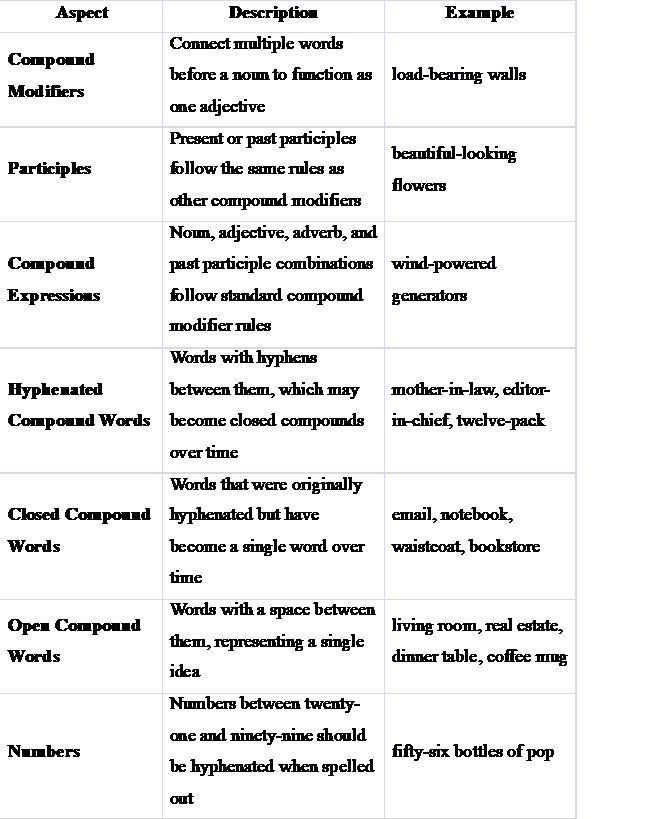
This table provides an overview of various aspects of hyphenation conventions,
offering examples to illustrate each concept.
III. How to use a Hyphen Correctly:
Rule One: You often hyphenate between two or more adjectives when they come before a noun and act as a single opinion. This is the most demotic use of the hyphen.
For examples:
– friendly-looking man (Hyphenate: compound adjective in front of a noun)
– friendly little girl (Do not hyphenate: not a compound adjective)
– brightly lit room (Do not hyphenate: Brightly is an adverb describing lit, not an adjective.)
Rule Two: Hyphenate words when used as compound words before a noun and do not finish in -ly. Do not hyphenate the pair of words when they are used after the noun.
Examples:
The well-known actress accepted her award. (Hyphenate: Well-known is an adverb followed by another descriptive word. They combine to form one idea in front of the noun.)
The actress who accepted her award was well known. (Do not hyphenate: Well-known follows the noun it describes, so no hyphen is used.)
A long-anticipated decision was finally made.
He got a much-needed haircut yesterday.
His haircut was much needed.
Rule Three: You should look up a compound noun in the dictionary to see if it is two words, one word, or hyphenated. Treat the noun as an independent word if it doesn’t exist in the dictionary.
Examples: eyewitness, eye shadow, eye-opener
Rule Four: In terms of phrases having verb, noun, and adjective forms should
appear as separate words when used as verbs and as one word when used as nouns or adjectives.
Examples:
The engine will eventually break down. (verb)
We suffered a breakdown in communications. (noun)
Please clean up your room. (verb)
That Superfund site will require specialized cleanup procedures. (adjective)
Rule Five:
Compound verbs can be composed as one word or via a hyphen.
Hyphenate a verb if the dictionary does not involve it.
Examples:
We were notified that management will downsize the organization next year.
Rule Six: Make sure you use a comma, not a hyphen, between two adjectives when you could have used and instead.
Examples:
I have important, classified documents.
Jennifer received a lovely, fragrant bouquet on Valentine’s Day.
Rule Seven: Hyphenate all compound numbers from twenty-one through ninety-nine.
Examples:
The teacher had thirty-two children in her classroom.
Only twenty-one of the children were bilingual.
Rule Eight: Hyphenate all spelled-out fractions.
Examples:
You need one-third of a cup of sugar for that recipe.
More than one-half of the student body voted for removing soda machines from campus.
Conclusion
In language and communication, hyphenation conventions hold the key to precision and clarity. By mastering the art of hyphenation, we unlock the ability to seamlessly connect words, shape meaning, and enhance the impact of our writing. However, as language evolves, so do the rules of hyphenation. Our writers are responsible for remaining adaptable and open-minded, embracing the dynamic nature of linguistic conventions. So let us embark on this journey of understanding, where the humble hyphen becomes a powerful tool, bridging gaps, fostering comprehension, and weaving a tapestry of words that resonates with readers. As we explore the intricacies of hyphenation, may we recognize its potential for creativity and precision, leaving a lasting impression through the deliberate and artful placement of that tiny yet significant punctuation mark.