


Chapter 1, Lesson 6
In Progress
Lesson 6 – How to Explain the Main Point by Using Supporting Details
Chapter Progress
0% Complete
Introduction
The main idea is the central point of an essay or paper, usually presented in the introduction or the first paragraph. There are many passages where it is easy to see the proof, but there are passages where it is difficult to determine the main idea for various reasons. At this point, you will need supporting ideas to find the article’s main idea. It will be facts that support, demonstrate, build on, or simplify the central concept.
Finding the main idea is one of the most critical factors when reading and analyzing a text. With this lesson, you will better understand the importance of supporting details in a text through supporting ideas and examples to practice later.
I. Definition of the main point and supporting details:
The main idea of a paragraph is the primary point or concept the author wants to communicate to the reader about the topic. It is stated in the topic sentence of a direct paragraph, and the main idea and supporting facts are provided in the following phrases.
The thesis statement of a multi-paragraph piece expresses the core concept, backed up by several supporting details. The primary concept is a succinct yet comprehensive summary that covers everything the paragraph briefly mentions but omits details. Later words or paragraphs provide background and complexity, which the primary concept needs to sustain its claim. When the essential idea is not stated explicitly, the author should allow the reader to infer it by focusing on a few keywords, phrases, and illustrations.
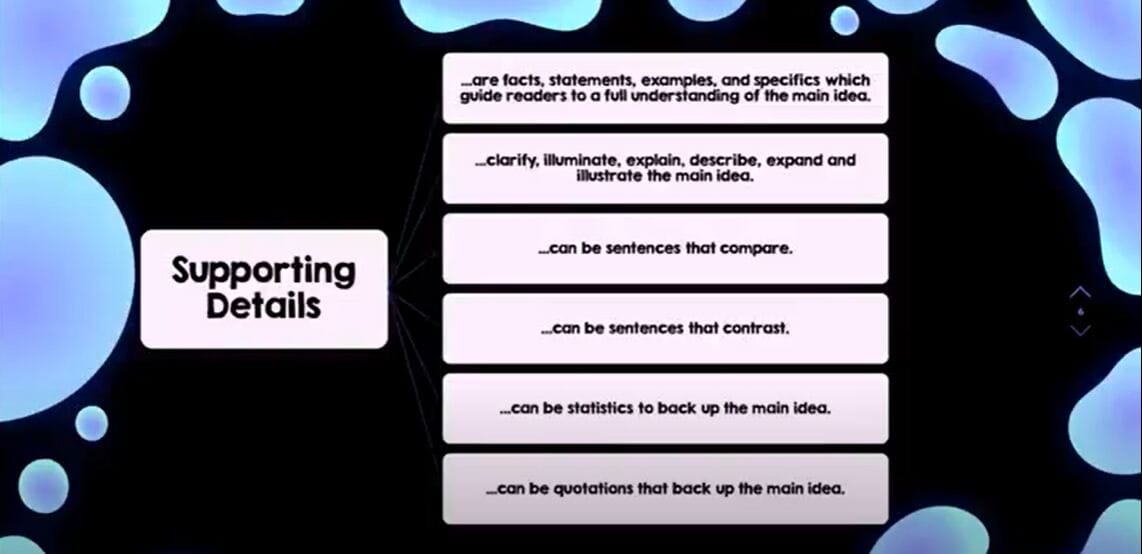
Supporting details are facts that assist in demonstrating, elaborating, or simplifying the primary concept. Developing the ability to identify supporting details is crucial and can only be achieved through regular practice. You can utilize this resource in your classes or share it with your students’ families.
II. How to identify main points
1. Concept of main points
Usually, the main idea of a paragraph is the main message or concept that the author intends to convey to the reader about a particular topic. If the author does not express the main idea clearly, it should still be suggestive and called implied in nature. To understand the author’s message, the reader must scrutinize the content, including repeatedly repeated specific words, sentences, and images.
For example, consider a scenario where a paper delves into the causes of World War I. One segment of the paper may focus on the role of imperialism in the conflict. The central concept of this particular section could be summarized as follows: “The intense competition for vast empires generated mounting tensions in Europe, culminating in the outbreak of World War I.” Although the subsequent part of the paragraph might delve into the specifics of those tensions, the involved parties, and the motivations behind their imperial ambitions, the main idea merely serves as an introduction to the overarching argument of that section.
When authors refrain from explicitly stating the main idea, it becomes an implied main idea. Readers must closely examine the content, analyzing specific words, sentences, and recurring images to deduce the author’s intended communication. By doing so, they can uncover the underlying message and better grasp the purpose and essence of the writing.
2. Differentiating between main points and supporting details
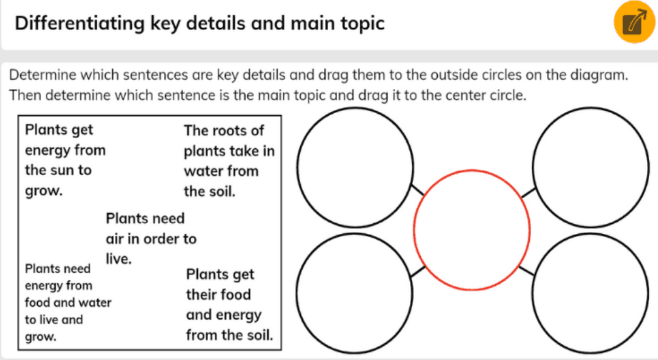
In any writing, distinguishing between main points and supporting details is fundamental to comprehending the author’s message. The main points are the central ideas or primary arguments the author wants to convey. They form the core focus of the content and are often found in topic sentences or thesis statements. Supporting details, on the other hand, function as evidence, examples, facts, statistics, or anecdotes that bolster and illustrate the main points. These details provide credibility to the author’s arguments and help the reader grasp the underlying message more effectively. By understanding this differentiation, readers can navigate the logical flow of the text, critically evaluate the content, and better engage with the material at hand. Whether it’s an essay, article, or any form of communication, recognizing the distinction between main points and supporting details is crucial for comprehending the overall meaning and intent of the writing.
III. Strategies for utilizing supporting details
Let’s go to an example of a TV commercial:
A shiny new phone on the screen claims, “We’re the best on the market.” You think to yourself-–It’s beautiful, but it looks like every other phone.
Suddenly you hear, “This camera is unique! It can magnify three times and still have a clear image. The phone’s wide zoom lens is the first on the market.” OH! This is not just another statement; there is proof that this phone is the best! You sighed as you pulled out your wallet. Time for a new phone.
The main idea in this example is that a person sees an ad for a new phone and is initially unimpressed with the claims made in the ad. However, the person is convinced to buy the phone when they hear the specifics of its imaging capabilities that set it apart from other phones on the market. You have to find it yourself through the supporting ideas in the article.
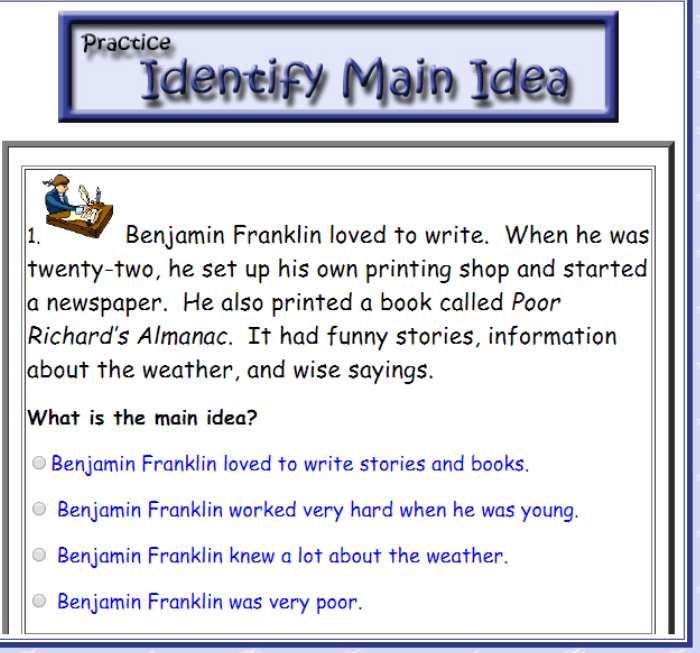
Practical exercise:
IV. FAQ
1. What does it mean to explain the main point using supporting details?
Explaining the main point with supporting details involves providing evidence, examples, or facts that back up the central idea or thesis statement. These details help clarify, substantiate, and reinforce the main point.
2. Why is it important to use supporting details when explaining the main point?
Supporting details provide context, depth, and credibility to your main point. They show that your main argument is well-founded and give your audience a clearer understanding of the subject.
3. How do I identify the main point of a text?
Look for the overarching idea or thesis statement that the text is conveying. It’s often found in the introduction or conclusion and encapsulates the primary message or argument.
4. What are supporting details in a text?
Supporting details are specific pieces of information such as examples, statistics, anecdotes, quotes, or explanations that enhance and validate the main point.
5. How do I choose the right supporting details?
Select supporting details that directly relate to and bolster your main point. They should be relevant, accurate, and effectively illustrate or validate the main argument.
6. How should I structure my explanation with supporting details?
Introduce your main point, provide a concise summary of your supporting details, and then delve into each detail in separate paragraphs, showing how each contributes to the main point.
7. Can I use both primary and secondary sources as supporting details?
Yes, both primary (original) and secondary (interpreted or analyzed) sources can be used as supporting details. Ensure they are reputable and directly related to your main point.
8. How do I integrate supporting details smoothly into my explanation?
Introduce each supporting detail with context, explaining how it relates to the main point. After presenting the detail, analyze how it strengthens your argument.
9. How many supporting details should I include?
The number of supporting details depends on the complexity of your main point and the depth of analysis required. Aim for enough details to fully substantiate your argument without overwhelming your audience.
10. Should I prioritize certain types of supporting details over others?
The types of supporting details depend on your main point and the nature of the text. Mix different types for a well-rounded argument but prioritize those that are most convincing and directly relevant.
11. What's the balance between the main point and supporting details in my explanation?
The main point should remain prominent, but supporting details should be elaborated enough to thoroughly validate your argument. Strive for a harmonious relationship.
Conclusion
Understanding and demonstrating the main theme from supporting details in a text is essential for critical understanding and analysis. By identifying the main idea, the reader can better understand the author’s message while supporting details provide evidence and clarification. It would be best if you practiced regularly with the necessary exercises to develop this skill, and the examples provided can help the reader better understand how to apply it.