


Lesson 3 – Pizarro and the Inca Civilization
Introduction
Before Francisco Pizarro’s infamous conquest of the mighty Inca Empire, the continent of South America had already witnessed the rise and fall of sophisticated civilizations, with the Incas being the pinnacle. The understanding of this pre-Columbian era is vital to appreciate the magnitude of Pizarro’s expedition and its implications.
The lesson provides an overview of South American history in the pre-Columbian era, emphasizing the Inca civilization and its conquest by Pizarro. Its primary purpose is to offer readers a historical and cultural context of the region prior to the arrival of the Spanish conquerors and to elucidate the profound impact of this conquest on the Inca civilization.
I. South America
1. What is “Pre-Columbian South America”?
“Pre-Columbian South America” refers to the period in South American history and the cultures that existed before the arrival of Christopher Columbus and subsequent European exploration and colonization in the late 15th and early 16th centuries. It encompasses the various indigenous civilizations, cultures, and societies that thrived in the continent prior to European contact.
2. The Geography and Environment of South America
The diverse geographical features of South America, from its highland regions to lush rainforests, played a crucial role in shaping the civilizations that emerged. Particularly, the Andean mountains and high plateaus provided the Inca Empire with strategic advantages for defense, agriculture, and water resources, shaping the trajectory of its growth.
II. The Inca Civilization
1. Inca Empire: From Peruvian Peaks to Machu Picchu
Originating in the Peruvian highlands, the Inca Empire grew to be the largest empire in pre-Columbian America. Their meticulously planned cities, advanced agricultural practices, extensive road networks, and efficient administrative structures made them formidable and prosperous. The city of Cusco, their capital, was the heart of their empire, with the sacred Machu Picchu being one of its most iconic remnants.
2. Economy and Trade
The Inca Empire, while primarily agrarian, had a sophisticated economy. Their trade networks spanned the length and breadth of the empire, connecting the coastal regions with the highlands. The concept of “mit’a” – a labor tax, was instrumental in building massive structures and roads.
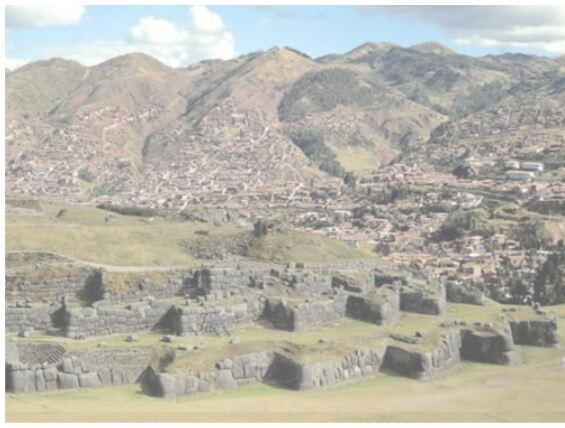
Figure 01: Sacsayhuaman Fortifications – David Stanley (CC BY)
These networks not only bolstered their economy but also made them an enticing target for Spanish conquistadors searching for wealth.
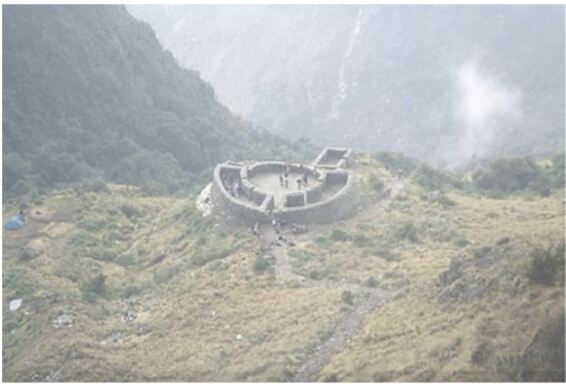
Figure 02: Inca Road Rest Station – Tyler Bell (CC BY-SA)
3. Inca Culture and Religion
Religion permeated every aspect of Inca life. Their pantheon, headed by the sun god Inti, influenced their agriculture, architecture, and annual festivals. The Incas did not have a written language but used a system of knotted strings, known as quipu, to keep records. Their rituals, festivals, and the practice of human sacrifices were of particular interest to Spanish missionaries, leading to later cultural clashes.
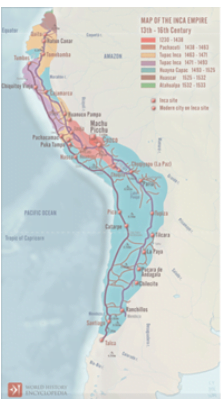
Figue 03: Inca Empire – Expansion and Roads, Simeon Netchev (CC BY-NC-SA)
a. Pantheon and Its Influence
At the zenith of their pantheon was the revered sun god, Inti, often depicted as a golden disc radiating light in all directions. This deity was believed to provide warmth and light, essential for agriculture – a primary livelihood for the Incas. Inti's significance extended beyond spiritual realms; his symbolic importance influenced Inca agricultural practices, guiding planting and harvesting cycles. Architecturally, many Inca structures, like the famed Sun Temple, were oriented to capture the sun's rays during solstices, showcasing their advanced understanding of astronomy intertwined with religion.
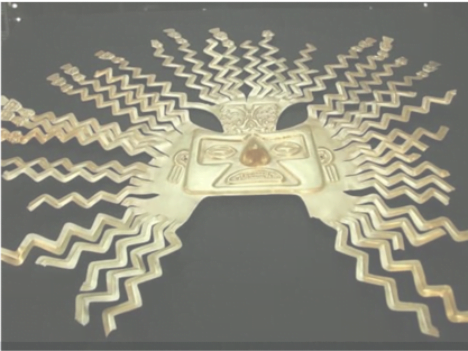
Figue 04: Inca Gold Sun Mask – Andrew Howe (CC BY-NC-SA)
b. Communication and Record Keeping
The absence of a written language didn't hinder the Incas' penchant for administration and record-keeping. They devised an ingenious system using knotted strings, called quipus. Each knot, its type, and position had a specific meaning, and these quipus served as a mnemonic tool, enabling them to maintain records ranging from census data to legends.
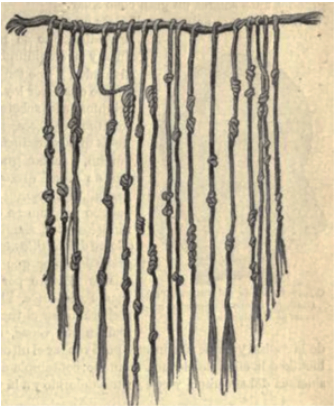
Figue 05: Inca – Quipu” by Patrick Gray, used under CC BY 2.0 / Cropped and compressed from the original.
c. Rituals and Practices
The Incas had a rich tapestry of rituals and festivals celebrating their deities, seasons, and significant historical events. One of the more controversial practices was human sacrifice, primarily carried out to appease their gods or seek favor in times of drought, war, or calamity. This practice, along with other indigenous rites, caught the particular attention of Spanish missionaries who arrived later. The Spaniards, with their intent to convert and subjugate, found these practices alien and, often, heretical, leading to significant cultural and religious clashes, and eventually, efforts to suppress the Inca's indigenous beliefs.
4. The End of the Inca
Francisco Pizarro, lured by tales of vast riches, set forth on a perilous expedition to the heart of the Inca Empire. His first encounters with the Inca, especially the famed meeting with Emperor Atahualpa, were marked by deceit and treachery. Leveraging superior weaponry and horses, along with exploiting internal conflicts within the Inca Empire, Pizarro managed to capture Cusco, signaling the end of the dominant Inca reign.
Typically, the Inca would have immediately eliminated Pizarro and his small band of approximately 150 soldiers upon their arrival. However, the recently enthroned Atahualpa found it entertaining to let the Spaniards proceed. He entertained the idea of taking some of their lives and perhaps subjugating a few.
III. The Connection and Influence of Pre-Columbian Civilizations on Modern South American Culture
The influence of ancient civilizations is still palpable in modern South American culture. This can be seen in various facets of life, from festivals and rituals to art and architecture.
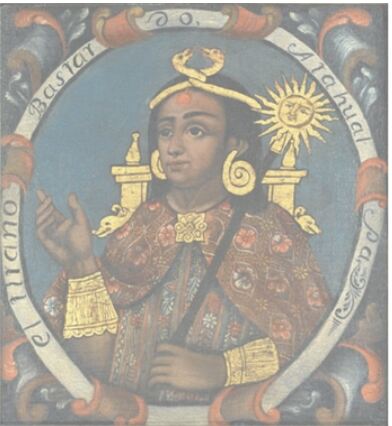
Figure 06: Atahualpa – Brooklyn Museum (CC BY-NC-SA)
For instance, many South American festivals, like the Inti Raymi in Peru, have their roots in pre-Columbian times, celebrating deities and practices from the Inca era. The Quechua and Aymara languages, spoken by the Incas and their predecessors, are still used in regions of Peru, Bolivia, and Ecuador.
Furthermore, contemporary South American art and architecture are often inspired by motifs, symbols, and techniques of ancient cultures. The legacy of the past is also evident in the oral traditions, music, dance, and even in the culinary habits of South American nations.
In essence, while the conquests and colonization post-Columbus have undeniably shaped South America, the indelible mark of its ancient civilizations continues to be a defining and influential factor in its modern culture and identity.
Conclusion
The history of South America before Columbus provides essential context for understanding the profound changes brought by Spanish conquest. Pizarro’s campaign against the Incas was not merely a quest for gold but a clash of two vastly different worlds. The vibrant tapestry of pre-Columbian South America underscores the richness of a civilization that, despite its downfall, has left an indelible mark on world history.