Art has its own definition, despite its abstraction, its various roles, and of course, its elements and principles. Knowing about the elements and principles of art helps people not only in creating artworks, especially complicated ones, but also in understanding an artwork.
To have more detailed information about the elements and principles of art, we discuss in more detail in this article about what they are and how to use them.
Elements, which are regarded as tools, play a vital role in creating art, and There are six regular visual elements: color, form, line, shape, space, texture, and value.
A three-pronged element of art: hue, value, and intensity.

For painters and draftsmen, form is the element of art that renders a three-dimensional form in two-dimensions. The form itself is often the heart of an art object. It can enclose a volume and includes height, width, and depth. There are both visible forms, like a cube, a sphere, a cylinder and a pyramid, and formless form: abstracted and free-flowing.

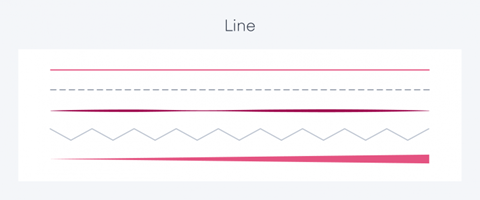
Lines are marks made on a surface. They start at a point and move along to create space. Lines can be two- or three-dimensional, describing form or the form itself, implied, or abstract. Hatching is a technique that a series of parallel lines are created to indicate form. Crosshatching indicates more than one set of these lines laid overtop of each other at angles to model and indicate tone.
The element of art that is two-dimensional, flat, or limited to height and width. Usually a shape is enclosed.

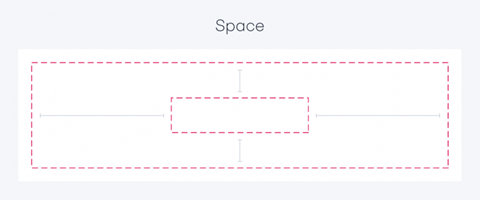
Space is the element of art through which both positive and negative areas are defined or a sense of depth is achieved in a work of art.
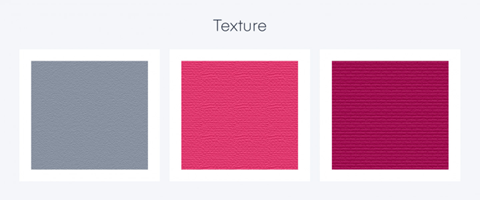
Texture defines the way an art object or an element in a composition feels or looks as if it would feel if touched.
If the elements of art are your tools, the principles of art are how you apply them. Rhythm, harmony, balance, contrast, movement, proportion, and variety are the principles of art.
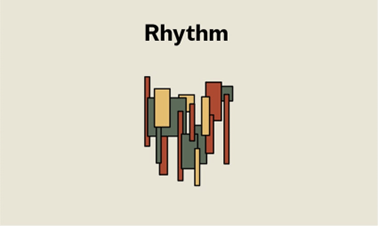
This principle of art describes the movement in or of an artwork. Rhythm is created by the variety and repetition of elements in a work of art that come together to create a visual tempo or beat.
This is achieved when the elements of an artwork come together in a unified way. Certain elements are repeated, creating a honed combination of monotony and chaos.
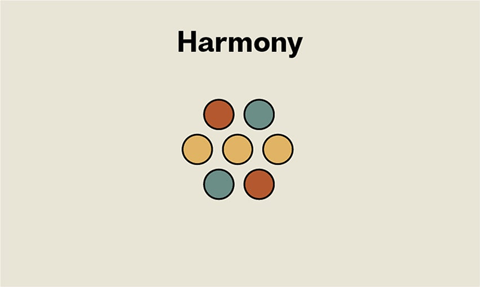
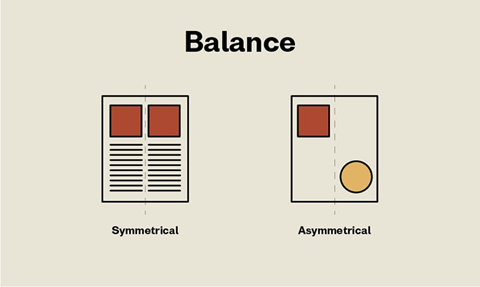
Combination of elements to add a feeling of equilibrium or stability to a work of art is known as balance.
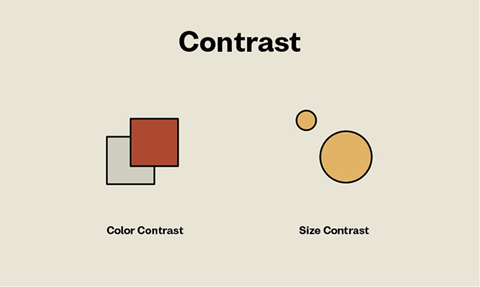
The differences between the elements combined by artists are contrast. For example, the difference between one darker shape and another lighter shape symbolizes “Value Contrast”.
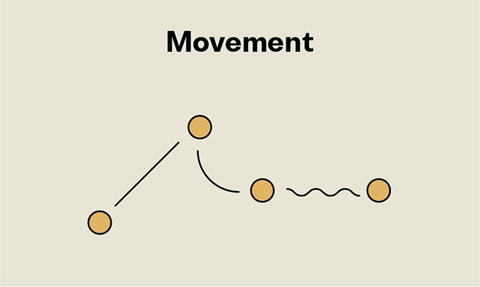
Movement is used to create the look and feel of action in an artwork. It guides the viewer’s eye throughout a piece. A sense of movement can be created by varying lines, repeating elements, and making gestural marks among many more.
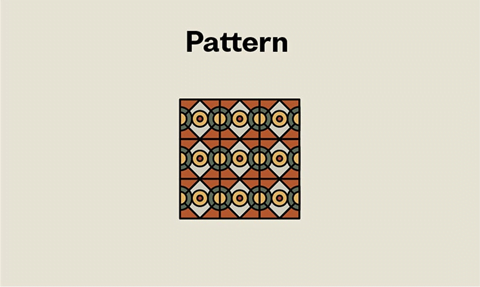
This is the uniform repetition of an element of art or a combination of elements. Anything can be turned into a pattern through repetition.
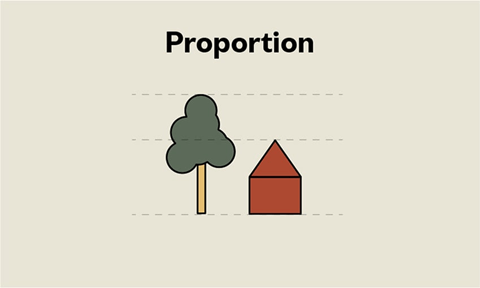
Achieving proper proportion is crucial for creating a balanced and visually appealing artwork. Proportion refers to how elements interact with one another, how they lead the viewer’s eye through the piece and how they fit within the chosen format. Proportion pertains to the size, scale, and arrangement of various components in relation to one another and to the whole, so it is influenced by the overall composition and the space within the artwork.
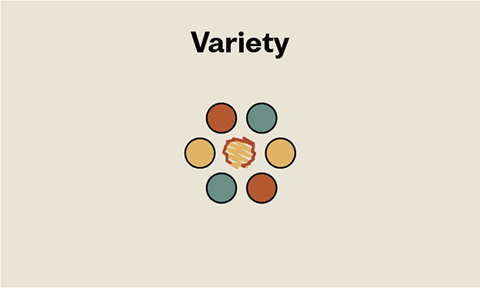
Variety is the principle of art that deals with diversity or contrast. It is created by using different colors, sizes, and shapes in a work of art. Variety can make a work more dynamic and exciting, but it can also make it more visually confusing. Artists need to find a balance between variety and unity in their work.
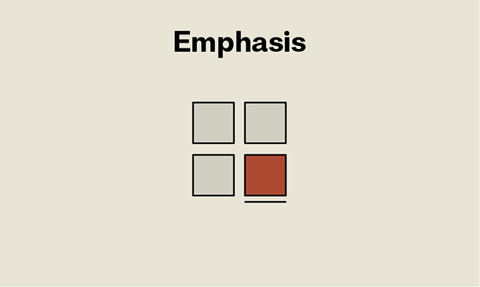
Emphasis is often used along with the term “focal point.” It describes the use of different elements in a work of art to control the viewer’s gaze and draw attention to a specific feature of the composition. Emphasis can be created through the use of color, size, shape, contrast, or placement.
The elements and principles of art are the building blocks of any work of art. They can be used to create a variety of effects, from simple to complex. Here are some tips on how to use the elements and principles of art to create a work:
What kind of mood or feeling do you want your work to evoke? What message do you want to convey? Once you have a clear idea, you can start to choose the elements and principles that will help you achieve your goal.
These are the basic building blocks of any work of art. They include line, shape, form, color, value, texture, and space. Each element can be used to create a variety of effects. For example, lines can be used to create movement, shapes can be used to create patterns, and colors can be used to create mood.
These are the rules that govern how the elements of art are used. They include balance, contrast, emphasis, movement, pattern, rhythm, and unity/variety. Each principle can be used to create a different effect. For example, balance can be used to create a sense of stability, contrast can be used to create emphasis, and movement can be used to create a sense of energy.

There is no right or wrong way to use the elements and principles of art. The best way to learn is to experiment and see what works for you. Try different combinations of elements and principles until you find a composition that you like.

The elements and principles of art are just guidelines. You can break them if you want to create something unique. Just be sure to do it intentionally and with a purpose.

Here are some additional tips:
If you're not sure how to use a particular element or principle, look at some reference materials. This could be anything from other artworks to photographs to nature.
Once you've created a work, show it to others and get their feedback. This can help you identify areas where your work could be improved.

The more you practice, the better you'll become at using the elements and principles of art. So keep creating and experimenting, and you'll eventually find your own unique style.
In a nutshell, the elements and principles of art do play an important role in creating and enjoying art. Those given information provides the reader an overview, so that they have chances to spend more time on learning to improve their art works. The more those elements and principles are applied, the more fantastic works are created, then the more diverse the art becomes, and finally the more vital part art does play in different aspects of life.
There was a problem reporting this post.
Please confirm you want to block this member.
You will no longer be able to:
Please note: This action will also remove this member from your connections and send a report to the site admin. Please allow a few minutes for this process to complete.
Sign up for our fortnightly newsletter with the best travel inspirations.