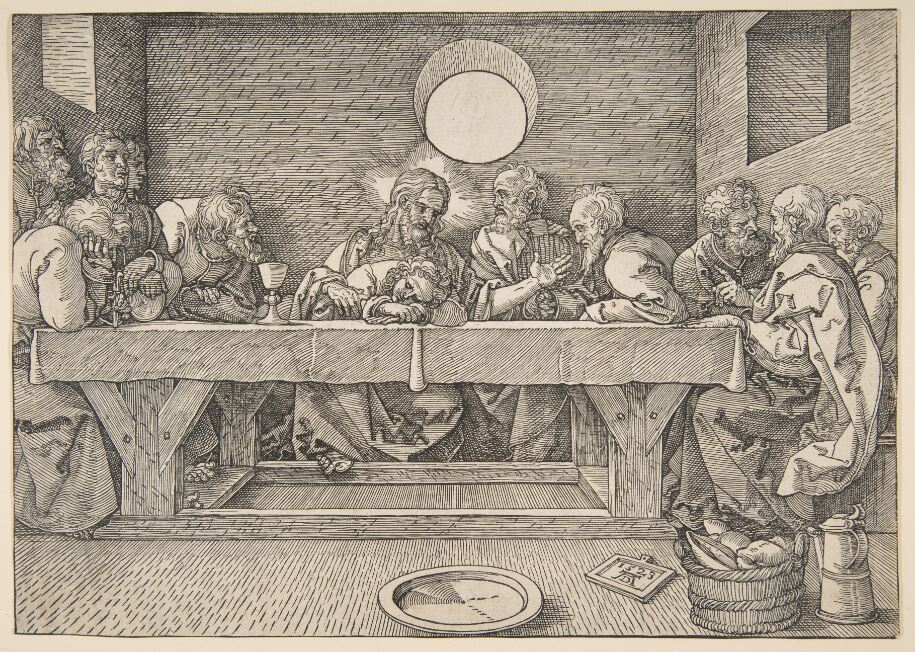
Welcome to Lesson 3 of our art appreciation series, where we delve into the captivating world of Albrecht Dürer’s “The Last Supper.” In this lesson, we embark on a journey through the lens of a masterful Northern Renaissance artist, exploring the intricacies of his interpretation of this iconic biblical scene.
As we step into the world of Dürer’s “The Last Supper,” we will unravel the historical and cultural tapestry that influenced the artist, examine the visual language he employed, and decipher the layers of meaning woven into the canvas. Through this exploration, we aim to not only appreciate the technical brilliance of Dürer but also gain insights into the symbolic choices and narrative nuances that make his portrayal of “The Last Supper” a compelling piece of art history.
The Renaissance, a cultural and intellectual movement spanning the 14th to the 17th century, marked a pivotal shift in European history. Emerging from the Middle Ages, the Renaissance brought about a renewed interest in classical knowledge, humanism, and artistic expression. Artists during this period sought inspiration from ancient Greek and Roman traditions, emphasizing realism, individualism, and a deeper understanding of the human experience. The Renaissance fostered advancements in various fields, including art, science, literature, and philosophy.
Albrecht Dürer, born in Nuremberg in 1471, played a significant role in the Northern Renaissance, a distinct phase within the broader Renaissance movement. Unlike their Italian counterparts, Northern Renaissance artists often focused on meticulous details, intricate symbolism, and a profound exploration of religious themes. Dürer, a polymath, excelled in various artistic mediums, including painting, printmaking, and engraving. His works combined Northern precision with a humanistic approach, reflecting both his technical skill and intellectual curiosity.
“The Last Supper” has been a recurring and revered theme in Western art, depicting the final meal Jesus shared with his disciples before his crucifixion. This biblical event carries immense significance in Christian theology, symbolizing the institution of the Eucharist and the ultimate sacrifice of Christ. Artists across centuries were drawn to the emotional intensity and narrative richness of the scene, using it as a platform to explore various artistic styles and interpretations. Dürer’s portrayal of “The Last Supper” adds a distinctive Northern flavor to this well-trodden subject, offering a unique lens through which to explore religious narratives and the human condition.
Begin by scrutinizing the overall composition of Dürer’s “The Last Supper.” Take note of how the elements are arranged within the frame. Consider the spatial relationships between figures, objects, and the background. Evaluate the use of symmetry or asymmetry and observe how Dürer guides the viewer’s eye through the composition.
Focus on identifying the central figures, notably Jesus and the apostles, in the scene. Take note of any unique characteristics or details that distinguish each apostle. Consider their positioning and interactions within the composition. Note whether Dürer adheres to traditional iconography or introduces any innovative elements in portraying these key figures.
Dive into the emotional depth of the piece by closely examining the facial expressions, body language, and gestures of the characters. Consider how Dürer conveys the emotions and relationships between the figures. Are there subtle nuances in expression or posture that reveal the psychological states of the individuals present at the table? Look for moments of intimacy, tension, or contemplation.
Explore the role of light and shadow in shaping the visual narrative. Notice how Dürer employs chiaroscuro (light and dark) to create a dramatic atmosphere. Evaluate the placement of light sources and shadows, and consider how they enhance the three-dimensionality of the figures and the overall scene. Reflect on whether the use of light contributes to the emotional tone of the artwork, emphasizing certain aspects or characters.
Investigate how Albrecht Dürer employs perspective and proportion to create a convincing spatial representation in “The Last Supper.” Pay attention to the vanishing points, lines of sight, and the sense of depth in the composition. Consider how Dürer’s approach to perspective contributes to the overall visual harmony and narrative coherence. Assess the proportional relationships between the figures, architecture, and surrounding elements.
Delve into the meticulous details that characterize Dürer’s artistic technique. Examine the intricacy of clothing, observing patterns, textures, and the handling of drapery. Explore the facial features of each character, noting the fine lines, expressions, and individualized characteristics. Consider how Dürer’s attention to detail enhances the overall realism of the figures, contributing to the emotional impact of the scene.
Uncover the symbolic elements present in “The Last Supper.” Explore the use of objects, colors, and other visual cues that convey deeper meanings. Consider the symbolism associated with specific gestures or postures of the figures. Reflect on the significance of any religious or cultural symbols incorporated by Dürer. Analyzing these symbolic layers will provide insights into the narrative richness and allegorical dimensions of the artwork.
While the meaning of Albrecht Dürer’s “The Last Supper” can be interpreted in various ways, it is essential to consider both the artistic and religious contexts surrounding the artwork. Dürer’s portrayal of this biblical scene, while sharing a common theme with other artistic depictions of the Last Supper, carries unique characteristics that reflect the artist’s Northern Renaissance sensibilities.
Here are some key aspects to consider when exploring the meaning of Dürer’s “The Last Supper”:
Ultimately, the meaning of Dürer’s “The Last Supper” lies in the intersection of artistic expression, religious devotion, and the unique characteristics of the Northern Renaissance. Viewers are invited to explore the human aspects of faith, appreciate the technical mastery of the artist, and contemplate the profound spiritual dimensions conveyed through the intricate details of the scene.
In concluding our exploration of Lesson 3 focused on Albrecht Dürer’s “The Last Supper,” we find ourselves immersed in the rich tapestry of artistry, spirituality, and cultural context. Dürer, a luminary of the Northern Renaissance, has provided us with a masterpiece that goes beyond mere representation, offering a profound meditation on the timeless biblical narrative.
As we conclude this lesson, let us carry forward our newfound appreciation for the nuanced storytelling, technical mastery, and cultural context embedded in Albrecht Dürer’s “The Last Supper.” May this exploration inspire continued curiosity in the world of art, prompting us to seek deeper connections with the masterpieces that bridge the realms of history, culture, and creativity.