


Lesson 2 – Reconstruction Amendments
Introduction
It is important for students to study the Reconstruction Amendments (13th, 14th, and 15th Amendments) because these constitutional changes mark a pivotal era in American history. The 13th Amendment abolished slavery, the 14th ensured equal rights and citizenship for all citizens, and the 15th granted voting rights regardless of race. Learning about these amendments provides valuable insights into the battle for civil rights, the consequences of the Civil War, and the continuous pursuit of equality in the United States.
I. What are The Reconstruction Amendments?
1. Definition
The Reconstruction Amendments, alternatively known as the Civil War Amendments, constitute three supplementary components of the United States Constitution. They served to eliminate slavery, confer equal rights upon formerly enslaved individuals, and establish the right to vote for individuals of all racial backgrounds.
These Amendments were ratified by Congress in the aftermath of the U.S. Civil War, which followed the assassination of Abraham Lincoln. Their content expanded upon the principles outlined in the Emancipation Proclamation and solidified the abolitionist ideals of the Union as legally binding. The House of Representatives and Senate formally endorsed these amendments during the presidential terms of Andrew Johnson and Ulysses S. Grant.

The Reconstruction Amendments Reading in 13th,14th,15th
2. Overview
13th Amendment
While the Emancipation Proclamation ended slavery within the Confederate states, the Thirteenth Amendment abolished slavery across the entire United States. It also empowered Congress to enact necessary legislation to enforce this prohibition if states chose to defy it.
14th Amendment
This amendment ensured that the protections of the Bill of Rights extended to all American citizens, regardless of their racial background. Following the passage of the Civil Rights Act of 1866, Congress recognized the need for a stronger legal foundation to safeguard due process of law and equal protection of the laws within individual states. The Fourteenth Amendment granted the federal government the authority to challenge state governments if they violated the rights and privileges of citizens based on race. It effectively overturned the Supreme Court's Dred Scott decision by declaring that anyone born on U.S. soil, including Black individuals and former slaves, were citizens endowed with all associated rights.
15th Amendment
The Fifteenth Amendment was essential to secure voting rights for Black men, as they were not allowed to vote in all states until Congress passed and ratified it. This amendment made it illegal to deny Black men the right to vote based on their race or previous enslavement. Some states in the former Confederacy, however, sought to test the limits of congressional authority in this regard.
3. 4 Challenges to the Reconstruction Amendments
Black Codes
In the South, state legislatures sought ways to undermine the amendments and worsen conditions for Black individuals during the Reconstruction period. They partially relied on the phrasing of the Thirteenth Amendment regarding involuntary servitude to craft the Black Codes. These codes were a set of laws that ensnared formerly enslaved people by allowing their arbitrary arrest for vague offenses like vagrancy, effectively maintaining a form of control.
Intimidation Campaigns
Former Confederate states witnessed a surge in vigilante activities targeting previously enslaved individuals. When it came time for Black people to exercise their newly acquired rights, they often faced harassment and violence. These acts of intimidation weren't limited to the South; instances occurred in the North as well.
Jim Crow Laws
Southern state legislatures devised segregation laws, known as Jim Crow laws, as a way to circumvent the requirements of the Fourteenth Amendment. These laws promoted the "separate but equal" concept, which was upheld in the Supreme Court case Plessy v. Ferguson, predating the Civil War. However, this concept was later rejected in the landmark case Brown v. Board of Education.
Voting Restrictions
Southern lawmakers crafted voting regulations that ostensibly applied to the entire population but disproportionately targeted Black individuals. For example, they imposed poll taxes, knowing that impoverished formerly enslaved people would struggle to pay them, or mandated literacy tests, even though Black individuals had limited access to education. These measures were often accompanied by grandfather clauses, which exempted individuals from these requirements if their grandfathers had voted. This favored white citizens, as most of their grandfathers had voted, while very few Black individuals' grandfathers had been allowed to vote in the South at the time.
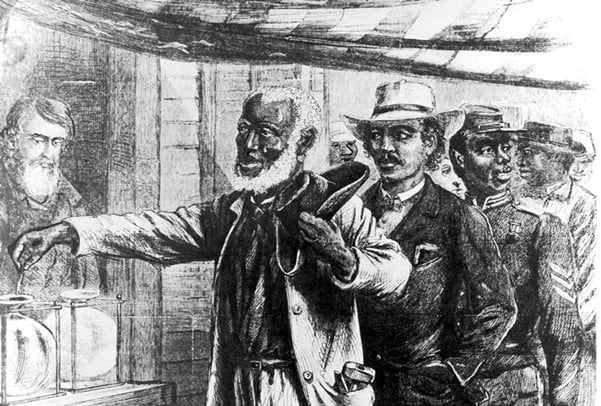
People in the Reconstruction Amendments
II. Legacy of Reconstruction Amendments?
1. Introduction
The impact of the Reconstruction Amendments in the U.S. has both positive and negative aspects. Positively, these amendments established fundamental civil rights by abolishing slavery, guaranteeing equal legal protection, and ensuring voting rights regardless of race. They became fundamental principles in the fight for racial equality. However, challenges exist within their legacy. Some contend that the true purpose of these amendments has not been entirely achieved, as racial discrimination and inequality persist. Moreover, ongoing debates about their interpretation reflect the intricate influence these amendments have had on American society. The Legacy of the Reconstruction Amendments is an enduring testament to America’s ongoing struggle for equality and civil rights. Comprising the 13th, 14th, and 15th Amendments, these monumental changes to the Constitution abolished slavery, ensured equal protection under the law, and safeguarded voting rights for all, regardless of race. Despite facing considerable opposition and subversion, these amendments left an indelible mark on the nation’s conscience, inspiring generations to push for justice and inclusivity. They provided a legal foundation for landmark decisions like Brown v. Board of Education and catalyzed the civil rights movement of the 1960s. The Legacy of the Reconstruction Amendments reminds us that the pursuit of equality is a journey that continues to shape America’s identity.
2. The Adoption of The Reconstruction
The Reconstruction era post-Civil War witnessed remarkable societal changes in the United States. Freed African Americans and progressive whites collaborated, resulting in transformative events such as the ratification of the Reconstruction Amendments. These amendments granted fundamental rights, including freedom and voting privileges, marking a significant step towards racial equality. Organizations like the Freedmen’s Bureau played a vital role by offering education and assistance to former slaves, empowering them. However, racial tensions persisted, leading to the rise of hate groups like the Ku Klux Klan, causing turmoil for African Americans and their allies. The Compromise of 1877 marked the end of Reconstruction, allowing Jim Crow laws and segregation to emerge, limiting the rights of African Americans. Despite challenges, this era laid the groundwork for the civil rights movement, inspiring future generations in the pursuit of equality and justice.
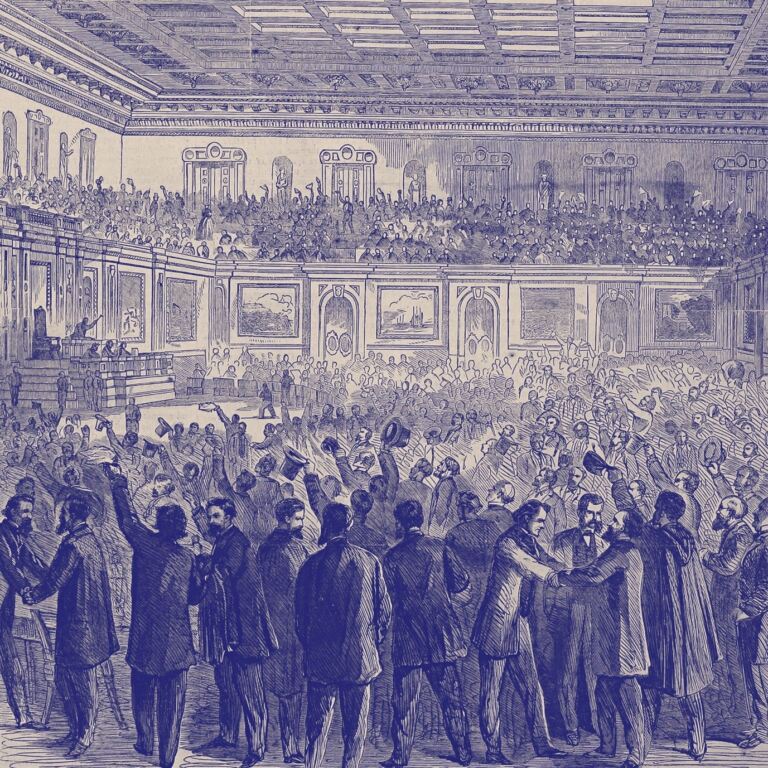
The Buried Promise of the Reconstruction Amendments
III. FAQ
What is the significance of the 13th Amendment, and how did it change the status of slavery in the U.S.?
The 13th Amendment, ratified in 1865, abolished slavery in the United States, ensuring the freedom of all enslaved individuals. This amendment marked a pivotal moment, officially putting an end to the institution of slavery in the nation.
How did the 14th Amendment impact citizenship and equal rights for all Americans?
The 14th Amendment, adopted in 1868, granted citizenship to anyone born or naturalized in the U.S., including former slaves. It provided equal protection under the law, guaranteeing fundamental rights to every citizen, regardless of their background.
What does the 15th Amendment signify, and how did it influence voting rights in the U.S.?
The 15th Amendment, ratified in 1870, aimed to prevent the denial of voting rights based on race, color, or previous servitude. While it was a significant step toward ensuring suffrage for African American men, challenges such as discriminatory practices like poll taxes and literacy tests persisted in its implementation.
Conclusion
In conclusion, the 13th, 14th, and 15th Amendments stand as monumental pillars in the ongoing journey toward racial equality and civil rights in the United States. The 13th Amendment’s abolition of slavery marked the end of a dehumanizing institution and heralded the dawn of a new era. The 14th Amendment’s guarantee of equal protection and citizenship rights aimed to rectify centuries of discrimination, solidifying the principle that all Americans, regardless of race, deserve equal treatment under the law. Lastly, the 15th Amendment, by securing voting rights for Black men, represented a significant step toward political enfranchisement.
Yet, these amendments were met with resistance, subversion, and systemic discrimination that persisted for generations. The struggle for full realization of their promise continued into the Civil Rights Movement of the 20th century and endures today. These amendments remain a vital part of the nation’s identity, inspiring ongoing efforts to confront the legacies of racism and uphold the principles of justice, equity, and equal opportunity for all citizens.