


Lesson 2 – Pre-Columbus Civilization
Introduction
Welcome to Lesson 2 of our series on Pre-Columbus Civilization. In this lesson, we will explore the rich and diverse cultures of the North American Indians before the arrival of Europeans. These indigenous peoples developed sophisticated civilizations, made significant achievements, and profoundly impacted the continent’s history. Join us as we delve into the fascinating world of pre-European contact with Native American societies.
I. Pre-Columbus Civilization
The pre-Columbian era refers to the time in the Americas before the arrival of Christopher Columbus in 1492. This period spans thousands of years and is characterized by the diverse cultures, civilizations, and societies that flourished across the continents of North America, Central America, South America, and the Caribbean. The pre-Columbian era is divided into three major periods: the Paleolithic (or Paleo-Indian), the Archaic, and the Preclassic (or Formative).
Paleolithic (Paleo-Indian) Period:
The earliest inhabitants of the Americas are believed to have arrived from Asia via a land bridge known as Beringia, which connected modern-day Siberia and Alaska during the last Ice Age, around 15,000 to 20,000 years ago. These early hunter-gatherer groups were skilled in adapting to various environments and ecosystems, and their livelihood depended on hunting megafauna like mammoths, mastodons, and bison, as well as gathering wild plants for sustenance. They left behind archaeological evidence in the form of stone tools, art, and burial sites.
Archaic Period:
Following the megafauna’s decline and climate changes, the Archaic period emerged around 8,000 to 2,000 BCE. During this era, human populations diversified, transitioning from purely nomadic lifestyles to more settled, semi-nomadic, and sometimes even agricultural societies. Advances in tool-making techniques, pottery, and other crafts are notable characteristics of this period. Regional differences in culture and subsistence strategies became more pronounced.
Preclassic (Formative) Period:
The Preclassic period occurred from around 2,000 BCE to 200 CE. It marked a significant shift towards more complex societies and the rise of early civilizations. In various regions, agricultural practices intensified, leading to the domestication of crops like maize, beans, squash, and potatoes. Settlements grew, and social stratification emerged, with some individuals assuming leadership roles and others specializing in crafts, trade, or religious practices. Many ancient Mesoamerican and Andean civilizations, such as the Olmec, Zapotec, Maya, Teotihuacan, Moche, and Nazca, began to flourish during this time.
Throughout the pre-Columbian era, diverse cultures developed their unique languages, art forms, religious beliefs, and social structures. Trade networks facilitated the exchange of goods and ideas across vast distances, contributing to cultural exchange and regional interconnectedness.
It’s essential to recognize that this overview provides a generalized view, and the pre-Columbian era was an immensely complex and rich tapestry of civilizations and societies, each with its own story, achievements, and challenges. The arrival of Christopher Columbus in 1492 initiated a new chapter in the history of the Americas, forever altering the course of indigenous cultures and leading to the subsequent colonization and European influence on the continent.
During the pre-Columbian era, South America and North America were home to distinct civilizations with diverse cultures, societies, and histories. Here are some brief differences between the two regions:
A. Geographic and Environmental Diversity:
South America:
South America boasts a wider range of geographical features, including the Andes Mountains, the Amazon Rainforest, the Atacama Desert, and the fertile plains of the Pampas. This diversity led to various specialized societies adapted to their specific environments.
North America:
North America also offers geographical diversity, with vast forests, grasslands, and mountain ranges like the Rocky Mountains. However, it generally lacks the extreme ecological range found in South America.
B. Agricultural Advancements:
South America:
Many pre-Columbian civilizations, such as the Inca and the Aztecs, had well-established agricultural practices, including terrace farming and the cultivation of staple crops like maize, potatoes, and quinoa.
North America:
Agriculture was prevalent in certain regions, notably Mesoamerica (present-day Mexico and Central America), where the Maya and other civilizations cultivated maize, beans, and squash. However, nomadic or semi-nomadic hunter-gatherer lifestyles were more common in other parts of North America.
C. Monumental Architecture:
South America:
Several impressive architectural marvels were constructed in South America, such as the Machu Picchu of the Inca and the massive pyramids of the Aztecs in present-day Mexico.
North America:
While some pre-Columbian North American cultures, like the Maya and Anasazi, also built remarkable structures such as pyramids and cliff dwellings, the scale and complexity were generally smaller than those in South America.
D. Sociopolitical Organization:
South America:
Many South American civilizations developed complex hierarchical societies with centralized political structures. The Inca Empire, for example, had a highly organized administrative system with a powerful emperor at the top.
North America:
Sociopolitical organization in North America was more diverse, ranging from loosely structured tribes and chiefdoms to more complex confederacies like the Iroquois League, which brought together several tribes in the northeastern region.
E. Technological Advancements:
South America:
South American civilizations displayed advanced engineering and construction skills, as evidenced by their extensive road systems, agricultural terraces, and sophisticated irrigation networks.
North America:
Technological developments varied by region, but certain groups, such as the Maya, excelled in mathematics, astronomy, and calendar systems.
1. Civilizations and Achievements:
Remarkable advancements in various aspects of society and culture characterized the pre-Columbian civilizations of North America. Like the ancient civilizations of Egypt, Mesopotamia, and China, the Enlightenment of the Americas had kingdoms, empires, monumental structures, and artistic achievements. The roots of these civilizations can be traced back several millennia when early Americans began experimenting with plant cultivation around 7000 BCE. Over time, sedentary village farming emerged in Mesoamerica around 1500 BCE, marked by cultivating crops such as corn (maize), beans, squashes, chili peppers, and cotton. These early villagers also developed skills in weaving cloth, pottery-making, and other Neolithic practices.
Significant changes occurred around 1200-900 BCE, as evidenced by the construction of large earthen pyramids and the carving of monumental stone sculptures in the southern Gulf Coast region of Mexico. This period, known as the Olmec horizon, marked the development of a class-structured and politically centralized society. Similar art styles and capital towns emerged in neighboring regions, indicating a period of unification.
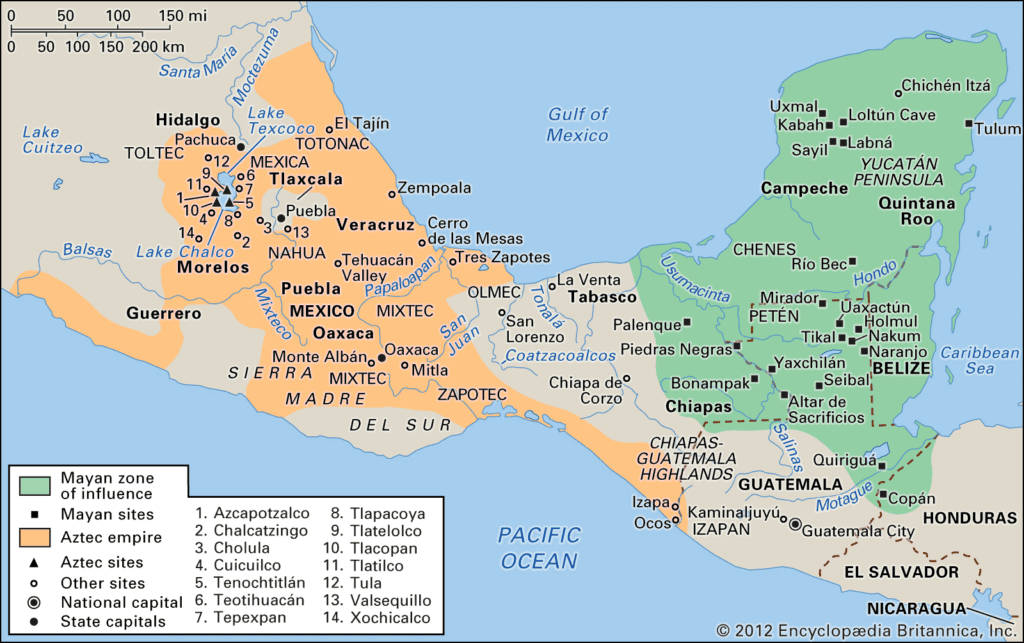
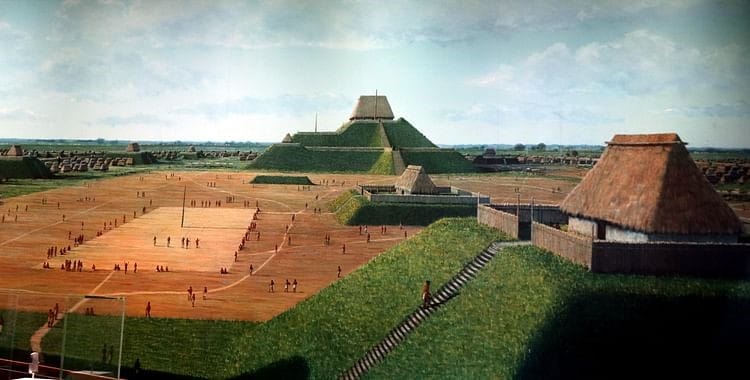
After 500 BCE, the Olmec unification gave way to separate regional styles and kingdoms, leading to diverse cultural developments across North America. Native American nations and cultures developed highly sophisticated social orders, built monumental urban centers, and engaged in long-distance trade. The Woodland Period (500 BCE – 1100 CE) and the Mississippian Culture (1100-1540 CE) are notable cultural diversity and advancement periods. It’s important to note that not all cultures developed at the same rate or in the same way, and each followed its unique development path.
The pre-Columbian civilizations of North American Indians made significant agricultural advancements, utilizing innovative techniques and crop cultivation methods that sustained their societies for thousands of years. Some of the notable achievements include:
Maize Cultivation:
Maize, also known as corn, was one of the most crucial crops cultivated by the North American Indians. They developed various varieties of maize adapted to different climates and growing conditions. Maize became a staple food source, forming the foundation of many Native American diets.
Three Sisters Agriculture:
Several Native American tribes, particularly those in the Eastern Woodlands and Great Plains regions, practiced the “Three Sisters” agricultural method. This system involved growing corn, beans, and squash together in the same plot. Corn provided a natural trellis for the beans to climb, while the squash plants spread along the ground, acting as a living mulch, suppressing weeds, and retaining moisture.
Irrigation and Water Management:
Some tribes, such as the Hohokam in the Southwest, developed irrigation systems to water their crops efficiently. They constructed intricate canal networks that helped channel water to arid regions, enabling the cultivation of crops in areas that would otherwise have been unsuitable for agriculture.
Crop Domestication:
In addition to maize, Native Americans domesticated several other crops, including beans, squash, sunflowers, tomatoes, potatoes, peppers, and various fruits like avocados and pumpkins. The process of domestication involved selectively breeding plants over generations to improve desirable traits.
Crop Rotation:
Many Native American agricultural societies practiced crop rotation. They alternated planting locations for different crops each season to maintain soil fertility and prevent depletion.
Intercropping:
Intercropping was another agricultural technique used by Native American tribes. It involved growing different crops close to maximize land use and enhance soil fertility.
Storage and Preservation:
Native American communities developed methods to store and preserve agricultural produce, such as drying, smoking, and fermenting; this allowed them to have a stable food supply during harsh winters or times of scarcity.
Land Management:
Several Native American tribes practiced controlled burns to manage their lands effectively. These controlled fires helped clear underbrush, promote new plant growth, and attract game animals, contributing to a sustainable ecosystem.
Agricultural Knowledge Transfer:
The knowledge of agricultural practices was passed down through generations via oral traditions and practical experience. Elders were crucial in teaching younger community members about farming techniques, crop selection, and planting practices.
Agricultural Societies:
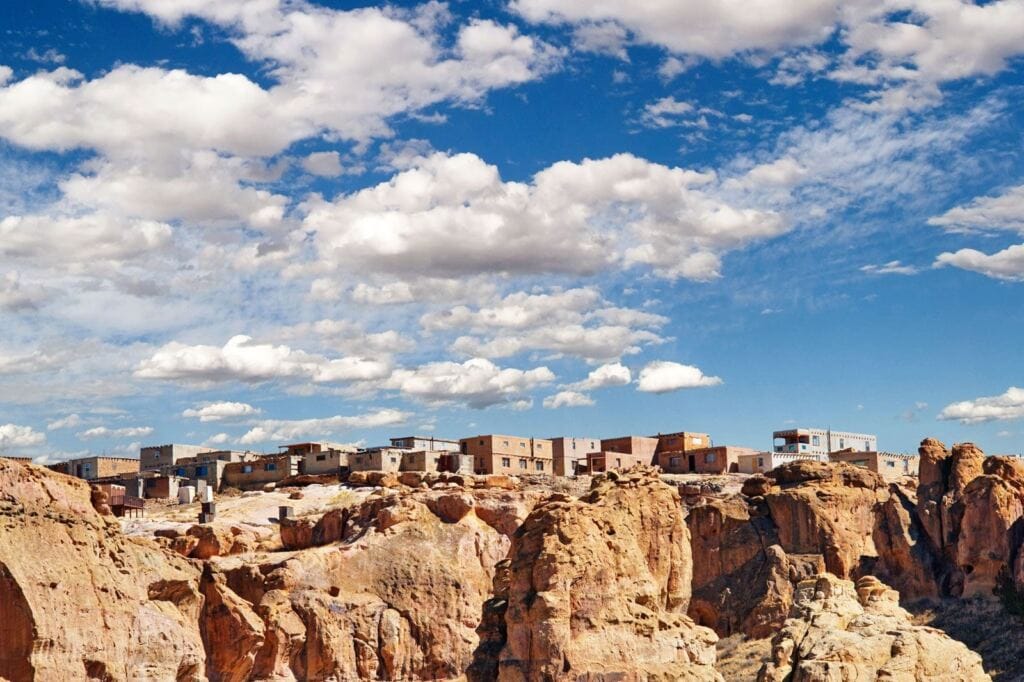
Some North American tribes, such as the Pueblo peoples, developed complex agricultural societies that revolved around farming. They built sophisticated irrigation systems and terraced fields to support their communities.
It’s essential to recognize and appreciate the ingenuity of Pre-Columbian Native American civilizations in their agricultural achievements, as their practices laid the groundwork for modern agricultural methods in North America.
2. Historical Records and Documents:
The study of pre-Columbian North American civilizations heavily relies on various sources of information, including traditional arts, folk literature, folklore, archaeology, and other historical records. While written documents from indigenous individuals during this period are rare, scholars have pieced together a comprehensive understanding of Native American history through these diverse sources. The different geographic and cultural backgrounds of Native American peoples further contribute to the complexity of their history and interactions with Europeans.
3. Migration and Exploration:
Before European contact, Native American tribes migrated across the North American continent, adapting to different environments and forming distinct cultural groups. The Paleo-Indian period (c. 40,000 – c. 14,000 BCE) marks the migration of early humans into the region, followed by subsequent cultural periods such as Dalton-Folsom (c. 8500-7900 BCE), Archaic (c. 8000-1000 BCE), Woodland (c. 500 BCE – 1100 CE), and Mississippian (c. 1100-1540 CE). These migrations and explorations allowed Native American societies to expand territories, establish trade networks, and exchange cultural practices.
4. European Influence:
The arrival of Christopher Columbus in the Americas in 1492 marked the beginning of European influence on Native American societies. European colonization efforts by the Dutch, French, and English rapidly expanded throughout North America from the 16th century onwards. This contact between the indigenous tribes and European colonists significantly impacted Native American culture and eventually led to the displacement and eradication of many Native American nations.
II. Frequently Asked Questions (FAQs):
Who were the North American Indians?
The North American Indians were the indigenous peoples who inhabited the continent before the arrival of European explorers. They were a diverse group of cultures with distinct languages, customs, and traditions. These civilizations flourished for thousands of years, adapting to their environments and creating rich societies.
What were some of the major pre-Columbus civilizations in North America?
Some major pre-Columbus civilizations in North America included the Mississippian culture, the Anasazi in the Southwest, the Hohokam in present-day Arizona, the Iroquois Confederacy in the Northeast, and many more. These civilizations had unique characteristics and contributed significantly to the region’s cultural diversity.
How did the North American Indians live?
The lifestyle of North American Indian civilizations varied depending on their geographic location and available resources. Many were agricultural societies, relying on farming and cultivating crops like maize, beans, and squash. Others, such as the Plains tribes, were nomadic and relied on hunting, gathering, and following the migratory patterns of animals.
What were the major achievements of these civilizations?
The North American Indian civilizations achieved remarkable feats, including the construction of impressive earthen mounds like the Cahokia Mounds in present-day Illinois, the creation of intricate art and pottery, the development of advanced agricultural techniques, the establishment of extensive trade networks, and the preservation of their cultural heritage through oral traditions.
How did the North American Indians interact with one another?
The North American Indians engaged in trade and commerce, facilitating the exchange of goods, ideas, and cultural practices. They also established inter-tribal relationships through diplomatic efforts and alliances for mutual benefit and protection. Both cooperation and occasional conflict characterized interactions between different tribes.
How did the arrival of European explorers impact North American Indian civilizations?
The arrival of European explorers profoundly impacted the North American Indian civilizations. Introducing new diseases, the displacement from ancestral lands, and conflicts with European settlers led to the decline of many indigenous populations. Additionally, European colonization brought about cultural assimilation and forced adoption of European ways of life, significantly altering the fabric of North American Indian societies.
Conclusion
In conclusion, the pre-Columbian civilizations of North American Indians before the arrival of Europeans were rich in culture, achievements, and historical significance. These civilizations developed agricultural practices, engaged in trade, built impressive structures, and left a lasting legacy. However, European colonization ultimately transformed the course of Native American history, leading to significant changes and challenges for the indigenous peoples of North America.