


Lesson 2 – Analyzing the Epic Hero in Gilgamesh
Introduction
Around 2700 B.C., Gilgamesh was a real-life ruler of Uruk in Sumer, in the Middle East. His narrative is told in the story known today as the “Epic of Gilgamesh.”. The word “epic” describes a lengthy poem telling a hero’s story. Gilgamesh is a figure who embodies the ideals of ancient Mesopotamian culture and represents the pinnacle of what it meant to be a true hero. His heroic qualities are numerous and varied, and it is these qualities that make him such a compelling and enduring figure in literature and mythology.
This lesson will explain how Gilgamesh becomes an excellent representation of an Epic hero.
I. Gilgamesh's Transformation into A Hero
Gilgamesh’s circumstances are typical of most epic heroes: he is part divine, he interacts with gods and goddesses, and his journey is filled with adventures and heroic achievements. During his travels, Gilgamesh is on a mission to discover the secrets of immortality.
1. A Divine Birth
The epic begins by praising Gilgamesh’s achievements and stating that the narrator will share his deeds with the world. The unnamed narrator describes the city of Uruk, highlighting its impressive burnt brick walls and masonry. We also learn that Gilgamesh is a unique being, being two-thirds god and one-third man. This fact is crucial as it makes Gilgamesh a hero and sets the stage for his future accomplishments and adventures. However, his human side means that he is also mortal and will eventually face death. This introduces an important theme: life would not hold the same meaning without mortality.
2. Adventures With Divine Interference
The gods create a sort of wild man named Enkidu with the goal of challenging Gilgamesh out of his arrogance and temperamental shenanigans. However, he and Enkidu quickly bond as friends. On one expedition to the Cedar Forest, they confront the evil monster Humbaba. The two also manage to kill the Bull of Heaven, sent against them by Ishtar, the goddess of lovemaking. The gods then strike down Enkidu in punishment. Gilgamesh is greatly saddened by the loss of Enkidu, whose friendship has taught him about the nature of love and compassion, as well as the meaning of loss and the meaning of human mortality.
3. The Quest for Immortality
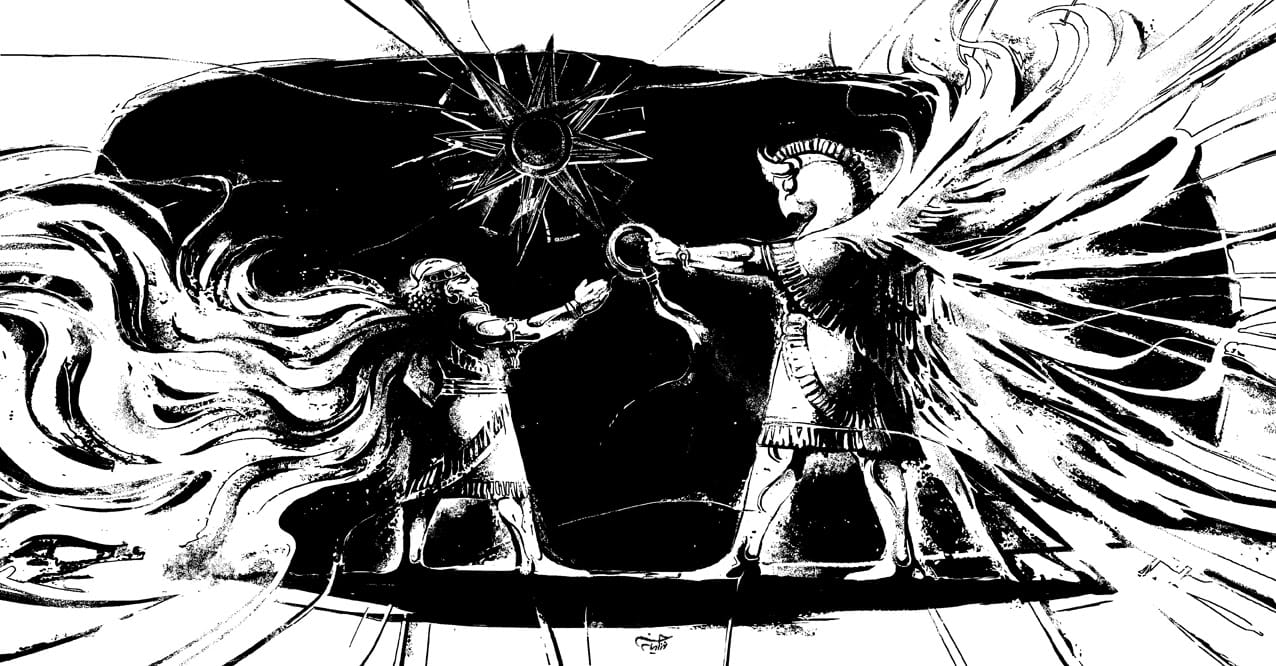
Gilgamesh, feeling sorrowful over the death of his close friend, embarks on a journey to find eternal life. This journey takes him through the 12 leagues of darkness. After traveling five leagues, the darkness becomes so thick that he can’t see anything ahead or behind him. Along his journey, Gilgamesh meets Utnapishtim The Faraway, the only mortal who has been granted immortality by the gods. However, Utnapishtim informs Gilgamesh that there is no permanence. Despite this, Utnapishtim reveals a secret herb of immortality to Gilgamesh. Unfortunately, just as Gilgamesh finds the herb for eternal youth, a serpent steals it.
4. The Return Home
On his way back to Uruk, Gilgamesh stops to bathe at a cool well, where a cunning serpent snatches the herb from him. He is then forced to return home and accept his mortality. However, he finds solace in the fact that his story will live on through the written word, as his achievements as a king are immortalized in stone.
Anthropologist Gwendolyn Leick summarizes Gilgamesh’s story as one where he attains immortality by contributing significantly to the greatness of his city through the invention of writing. By overcoming his sorrow and focusing on the needs of his people, Gilgamesh emerges as an even more noble hero.
II. The heroic characteristics of Gilgamesh
1. Hero's traits
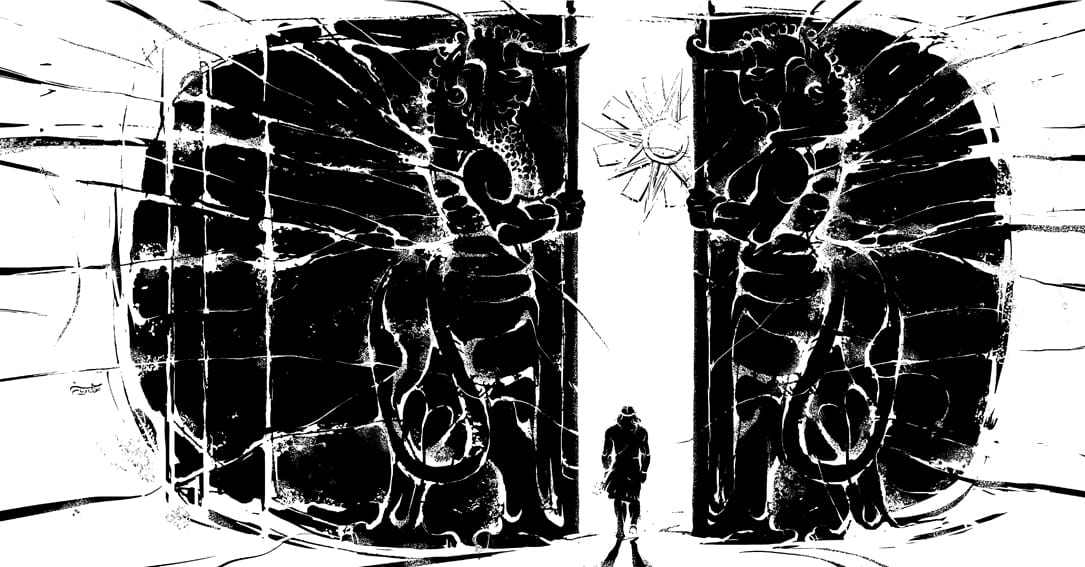
Undoubtedly, he is an epic hero who embodies many of the traits of a traditional hero. He is strong, brave, and powerful and can overcome challenges and obstacles that would be impossible for ordinary mortals. One of the key traits that define Gilgamesh as an epic hero is his physical strength and prowess. With the blood of humans and gods, he clearly demonstrates his superhuman strength and stamina. He can engage in incredible feats of strength, such as defeating the mighty bull of heaven and slaying the monstrous Humbaba, which no mortal man could hope to accomplish. However, this physical prowess is not simply a matter of brute force, as Gilgamesh is also an incredibly skilled warrior, able to take on and defeat even the most formidable foes with ease.
Another key characteristic of Gilgamesh as an epic hero is his intelligence and cunning. He is not simply a brute-force fighter but is also highly intelligent and resourceful. He can outsmart his enemies, such as using his cunning to defeat Humbaba and gain access to the Cedar Forest. This intelligence is also evident in his ability to learn from his experiences and grow as a person, as he does when he travels to the underworld and learns from the wise Utnapishtim about the fleeting nature of human life.
2. Hero’s Flaws and Weaknesses
Gilgamesh’s flaws and weaknesses are also a crucial part of his character. He is prone to arrogance and hubris and often acts impulsively and recklessly. This leads to his downfall and eventual defeat, as he cannot learn from his mistakes and grows increasingly arrogant and self-absorbed. In this way, Gilgamesh’s weaknesses and flaws reveal much about the nature of heroism and the challenges that heroes must face to succeed.
III. Later influence of the Epic of Gilgamesh
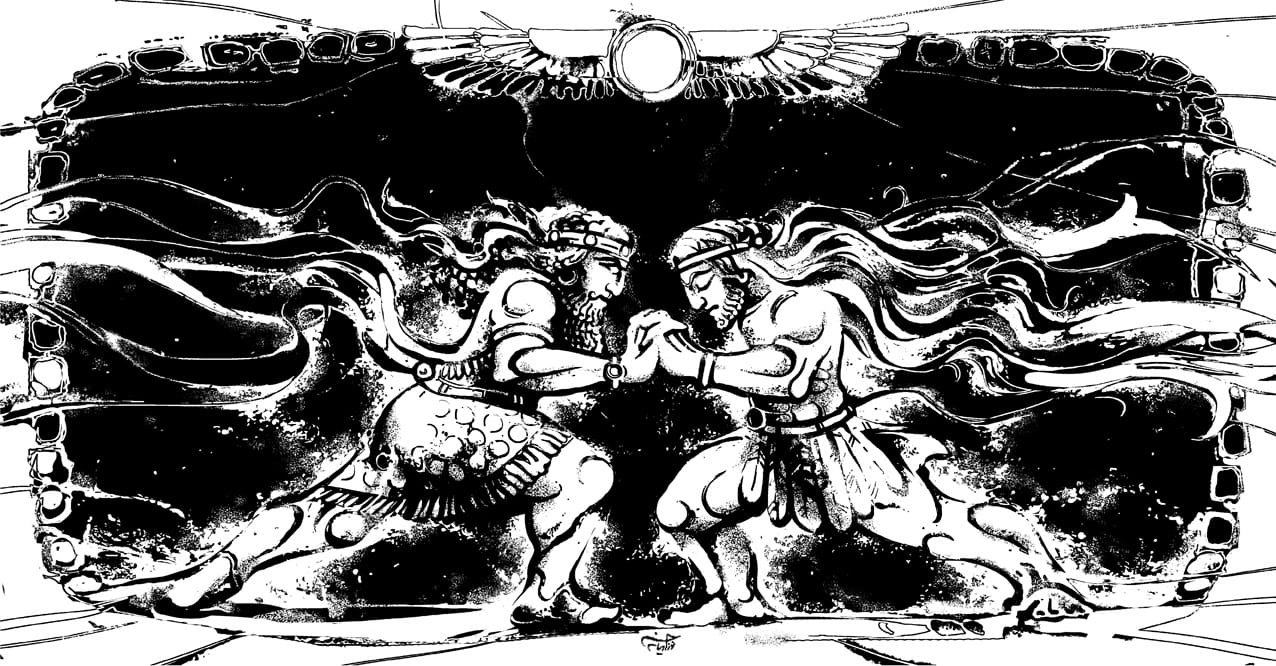
The Epic of Gilgamesh, one of the oldest surviving pieces of literature, continues to have an impact in various fields even thousands of years after its creation. In the realm of literature, this ancient Mesopotamian epic has inspired countless authors and poets worldwide. Its themes of heroism, friendship, and the search for immortality resonate with universal human experiences, leading to numerous retellings and adaptations. Its influence goes beyond literature, extending to art, music, and even philosophy. The way it portrays the human condition and explores existential questions has influenced thinkers like Friedrich Nietzsche and Carl Jung. Moreover, its impact on religious thought is undeniable, as elements from the story can be found in Abrahamic traditions such as Noah’s Ark in Judaism, Christianity, and Islam. In summary, the wide-ranging influence of the Epic of Gilgamesh demonstrates its lasting significance and timeless appeal across various disciplines.
IV. Frequently asked questions (FAQ)
1. What are the traits of legendary heroes?
A hero is strong, courageous, and powerful, and capable of overcoming difficulties that would be impossible for others. The knowledge and cunning of an epic hero are other essential qualities.
2. What are the elements of the epic of Gilgamesh?
The eight components of an epic hero cycle are as follows
- The main character must have supernatural abilities
- The hero is assigned a quest
- The hero is tested frequently to establish the viability of both himself and his quest
- The presence of numerous mythical beings, magical and helpful animals, and human helpers and companions
- The hero's journey takes him to a magical domain, generally one that normal humans are not permitted to visit
- The cycle must hit a low point where the hero nearly abandons his mission or appears vanquished
- A resurrection
- A restoration
Conclusion
Gilgamesh is an epic hero because of his bravery and courage. Despite his many dangers and challenges, he never backs down and always faces them head-on. He is willing to put his life on the line to protect his city and his people, and he is not afraid to take on any challenge, no matter how daunting it may seem. This bravery and courage are evident in his many battles and adventures, and it is a key part of what makes him such a hero.