

Chapter 1, Lesson 10
In Progress
Lesson 10 – Text and Other Mediums
Chapter Progress
0% Complete
Introduction
Text comparison is a rhetorical pattern that compares two or more texts and explains their differences and similarities. You must compare two texts to fully understand their similarities or differences. You’ll compare how the texts are the same and contrast—or highlight the differences—the ways they are not the same.
Text comparison (as in, compare) is one of several rhetorical patterns—just like cause and effect. Rhetorical patterns help organize information to understand it better.
In this lesson, you will be introduced to text comparisons to help organize and understand information. At the end of the lesson, you will get:
- When comparing text
- How to perform text comparison
- Comparison method.
I. Definition of text comparison
A rhetorical device known as text comparison compares two or more texts and illustrates their similarities and contrasts. You must compare and contrast two texts to fully understand how they are the same and different. You’ll contrast—or emphasize the differences—how the texts differ and compare their similarities.
Like cause and effect, text comparison (as in compare and contrast) is one of several rhetorical patterns. Information can be better understood by being organized using rhetorical patterns.
For example, Consider the books Wide Sargasso Sea by Jean Rhys (1966) and Jane Eyre by Charlotte Bronte (1847), contrasting the writers’ perspectives on feminism and postcolonialism. Response: To express their views on feminism, Bronte and Rhys both draw attention to the subjugation of women in the postcolonial age.
In this case, the answer offers to do the text comparison that the prompt inherently requests. The author’s reply will include a detailed analysis of the two authors’ approaches to drawing attention to the condition of women in the postcolonial era.
II. When to compare text?
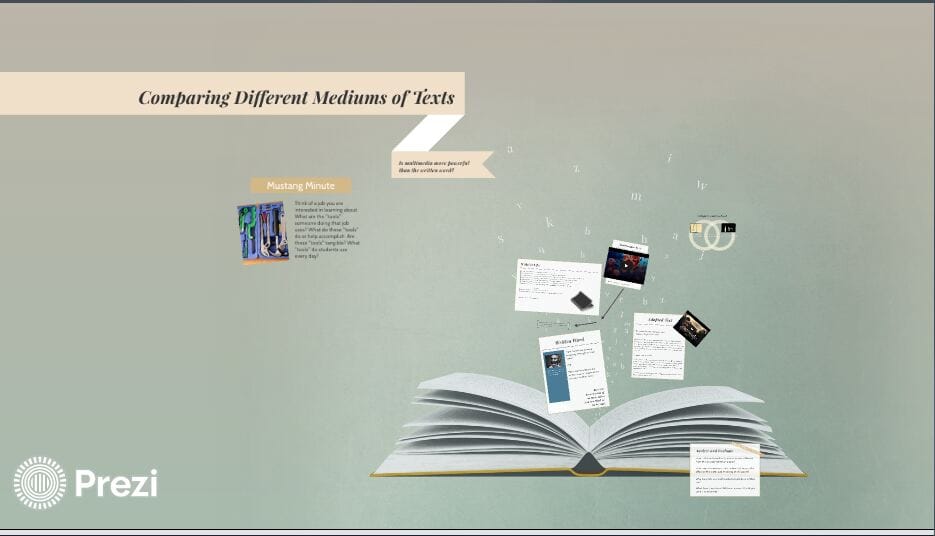
The passage explains that text comparison can be used to compare two pieces of text for accuracy, quality, or other characteristics. It can be used in projects such as persuasive or definition essays. Sometimes, text comparisons are required in a compare essay or test questions that include short answer or multiple-choice questions. These types of essays often ask us to compare two things. On the other hand, there are cases where text comparison can be used as part of another writing project, such as a persuasive essay or definition essay, where it can benefit from analysis.
III. Text Compare Form:
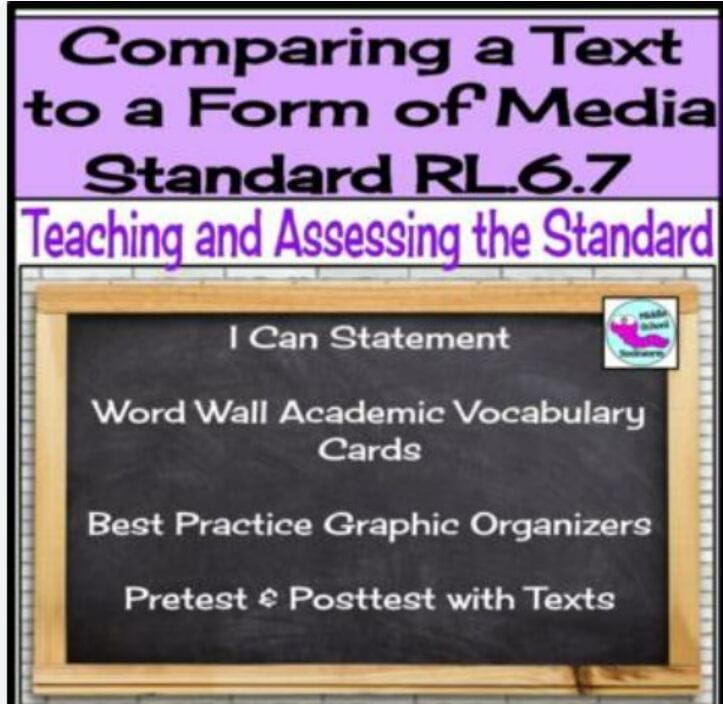
It suggests considering the purpose of each text and the audience for which it is written. There are various forms of writing, such as:
- One article
- A blog
- Letter
- Diary
- A newspaper
Understanding the author’s point of view is crucial when comparing texts, as it helps to identify similarities and differences between them. The purpose of the text is also essential, as it affects its meaning.
For instance, a text written to entertain people will differ from one written to inform them. It is essential to read the text carefully to understand its purpose entirely.
When comparing texts, it is essential to identify their commonalities and differences, such as their use of persuasive techniques or language. The passage suggests creating a checklist to help analyze texts based on their form.
IV. Text comparison method:
Writers use different methods to achieve the purpose of their writing, with the form of the text playing an essential role in the writer’s methods. When comparing two texts, it is crucial to focus on the similarities and differences in the writer’s process and discuss why this might be the case, considering the form and purpose of the text. Document.
This may include analyzing each work’s tone, form, humor, or seriousness, using language, such as word choice, or literary techniques, such as simile and metaphor. In addition, it is essential to consider the structure of both texts, including sentence length and overall length. Writers’ methods can have different effects on their audience, and it’s important to discuss these effects and how they compare to each other while acknowledging that opinions may differ.
For example:
Subject: Compare and Contrast asks to examine the novels Jane Eyre by Charlotte Brontë (1847) and The Wide Sea of Sargasso by Jean Rhys (1966) with themes of feminism and post-realism people.
Response: Both Brontë and Rhys highlight the oppression of women in the postcolonial era and the authors’ attitudes towards feminism and postcolonialism.
In this example, the response points to a quick text comparison request and promises to compare the two authors’ views on the oppression of women in the postcolonial era. It also notes that both authors use irony to develop their views on feminism.
V. FAQ
1. What does it mean to compare the text with other mediums?
Examining how a particular story, theme, or idea is expressed differently in various forms of media, such as film, visual art, music, theater, or digital media, is part of the process of comparing text with other mediums.
2. Why is comparing text with other mediums important?
Comparing media enables us to better comprehend how each medium’s unique properties can affect storytelling techniques, interpretations and effects. It increases our understanding of artistic expression.
3. Which aspects can be compared across different mediums?
Comparing narrative structure, character development, symbolism, mood, tone, pacing, use of visuals, use of sound, and how emotions are evoked are all valid comparisons to make.
4. Can I compare text with visual art, like paintings or illustrations?
Yes, you can examine how visual art differs from text in how it conveys themes, symbolism, and emotions. Take into account how imagery, composition, and color affect or improve the story.
5. What are some challenges in comparing different mediums?
Each medium has its own advantages and disadvantages. Finding comparable components for comparison and taking into account how each medium uses its tools to communicate ideas can be difficult.
6. How do I avoid oversimplifying the comparison process?
Be thorough in your analysis. Avoid making broad assumptions about how different mediums work. Consider nuances and complexities in each form of media.
7. Can comparing different mediums help me understand the original text better?
Analyzing adaptations or alternate representations can offer fresh viewpoints on the original text and point out details you may not have previously noticed.
8. How can I structure an essay or analysis comparing text and other mediums?
Start by introducing the text and the medium you’re comparing it with. Discuss commonalities and differences in elements like characters, themes and techniques. Then delve into specific examples that highlight these points.
Conclusion
To summarize, text comparison is a rhetorical pattern that helps organize and understand information better. It involves comparing two or more texts to identify their similarities and differences. Text comparison can be used in various writing projects, such as persuasive or definition essays, and is also helpful in test questions that require comparing two things. When comparing texts, it is essential to consider the purpose and form of each text, as well as the writer’s methods, including tone, language use, and structure. Understanding the author’s point of view is crucial in identifying similarities and differences between texts. Overall, text comparison is a valuable tool for analyzing and understanding different types of texts.