

Lesson 1 – What is Art?
Introduction
As far as we have known, art comes to human life in various ways and plays a vital role in our life. Everyone has experience with art, either creating or enjoying. However, have you ever think about what art really is? To have a better understanding about art, we discuss today about: “What is art?”, “How many forms of art are there?”.
I. What is Art?
The word art comes from the Latin word ars, meaning “skill” or “craft“. Art is a diverse range of human activities and the products of those activities involving the creation of visual, auditory, or performing artifacts (artworks) that express an idea, an emotion, or, more generally, a worldview.
Nevertheless, there is no right or wrong answer to the question of what is art. Different cultures and societies have different ideas about what constitutes art. What is considered art in one culture may not be considered art in another culture. For example, in some cultures, music and dance are considered art, while in other cultures, they are considered to be simply forms of entertainment.

II. How Many Forms of Art are There?
Just like the definition of art, we have no exact answer for the question about the forms of art. The boundaries between art forms are often blurred, depending on how it is made and how it is experienced.
1. Visual Art
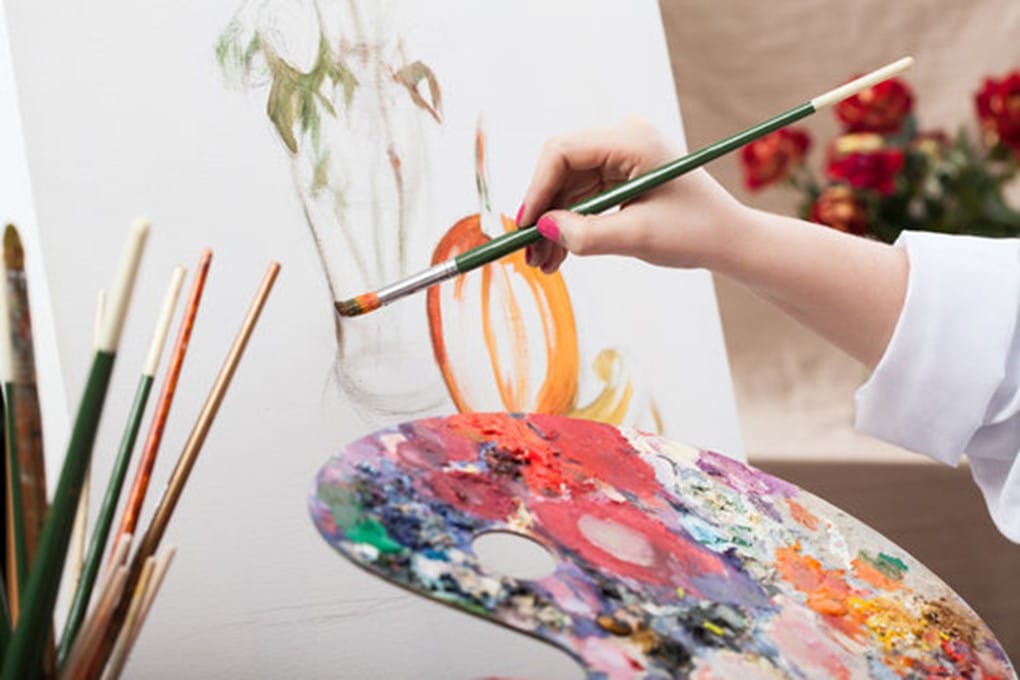
Painting
A work of art in which pigments are applied to a solid surface to create an image. Painting is one of the oldest and most versatile art forms, and it can be used to express a wide range of emotions and ideas.
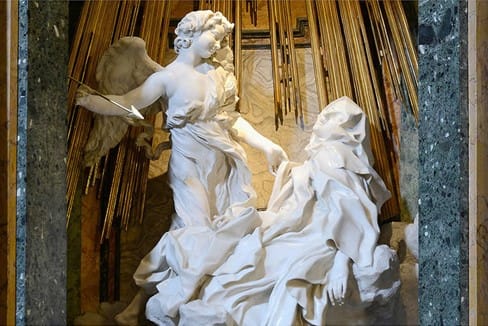
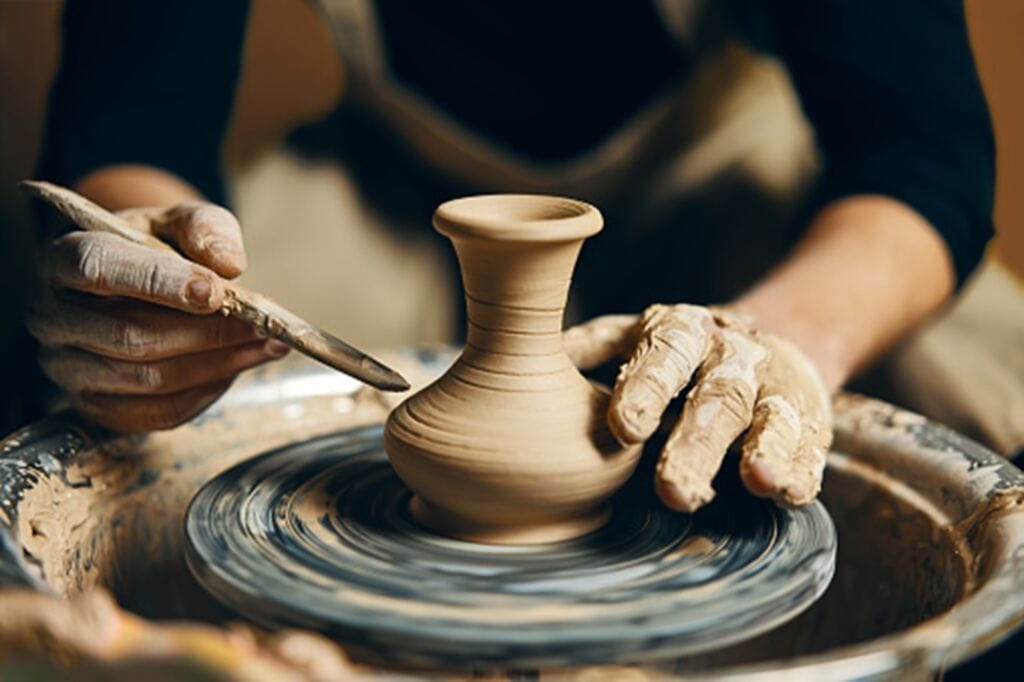
Sculpture
A sculpture is a three-dimensional work of art that is created by carving, modeling, or assembling materials. Sculpture can be made from a variety of materials, including stone, wood, metal, and clay.
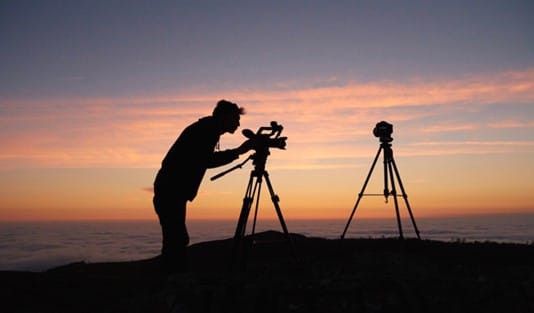
Photography
The art of creating images by recording light with a camera. Photography is a relatively new art form, but it has quickly become one of the most popular.
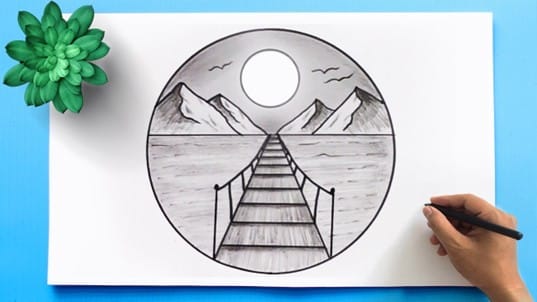
Drawing
A two-dimensional work of art that is created by using lines, shapes, and shading to create an image. Drawing is a fundamental art form, and it is often used as a basis for other art forms, such as painting and sculpture.
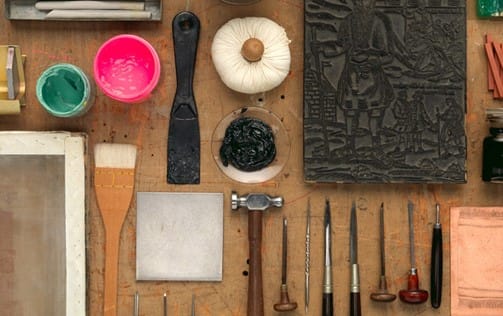
Printmaking
An art form in which an image is created by transferring ink from a plate to paper. Printmaking is a versatile art form, and it can be used to create a wide variety of images.
2. Performing Art
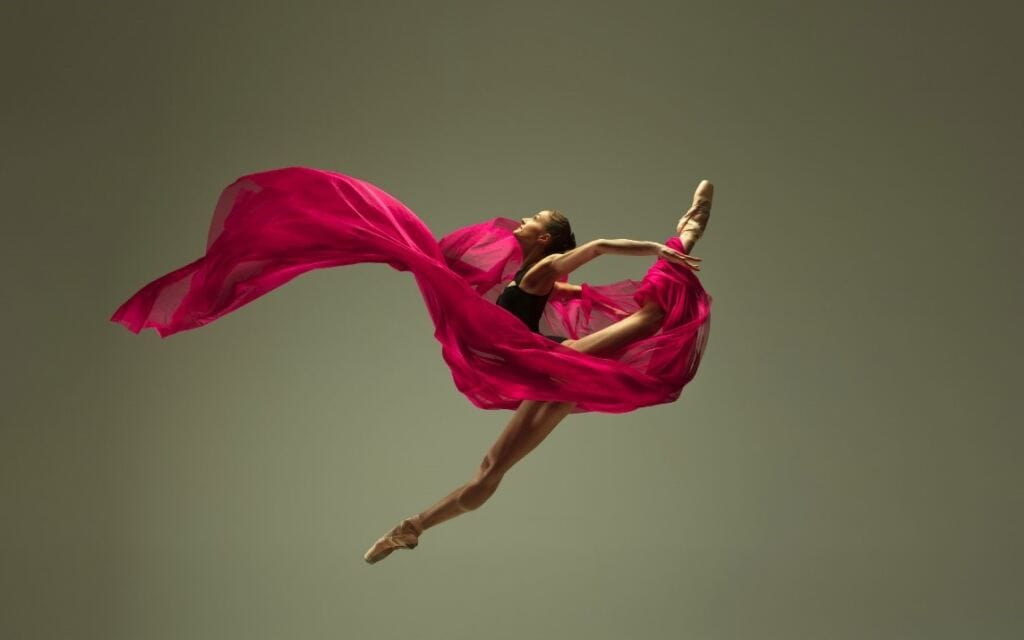
Dance
Dance is a form of art in which movement is used to express emotions, ideas, or stories. Dance can be performed solo, in pairs, or in groups.
Music
Music is a form of art in which sounds are organized in a way that is pleasing to the ear. Music can be played on instruments, sung, or both.

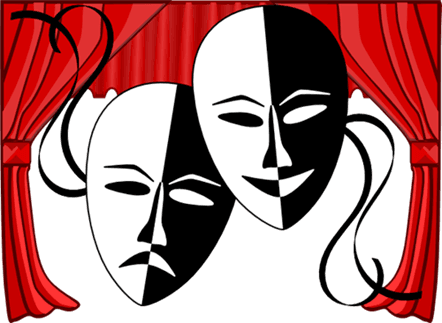
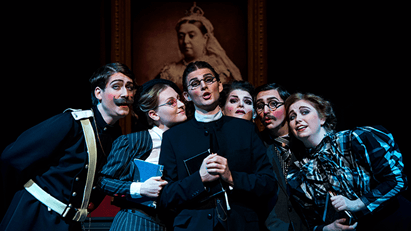
Theatre
Theatre is a form of art in which stories are told through the use of actors, dialogue, and scenery. Theatre can be performed in a variety of settings, including indoors and outdoors.
Opera
Opera is a form of musical theatre in which the dialogue is sung instead of spoken. Opera is typically set to classical music and often features elaborate costumes and sets.
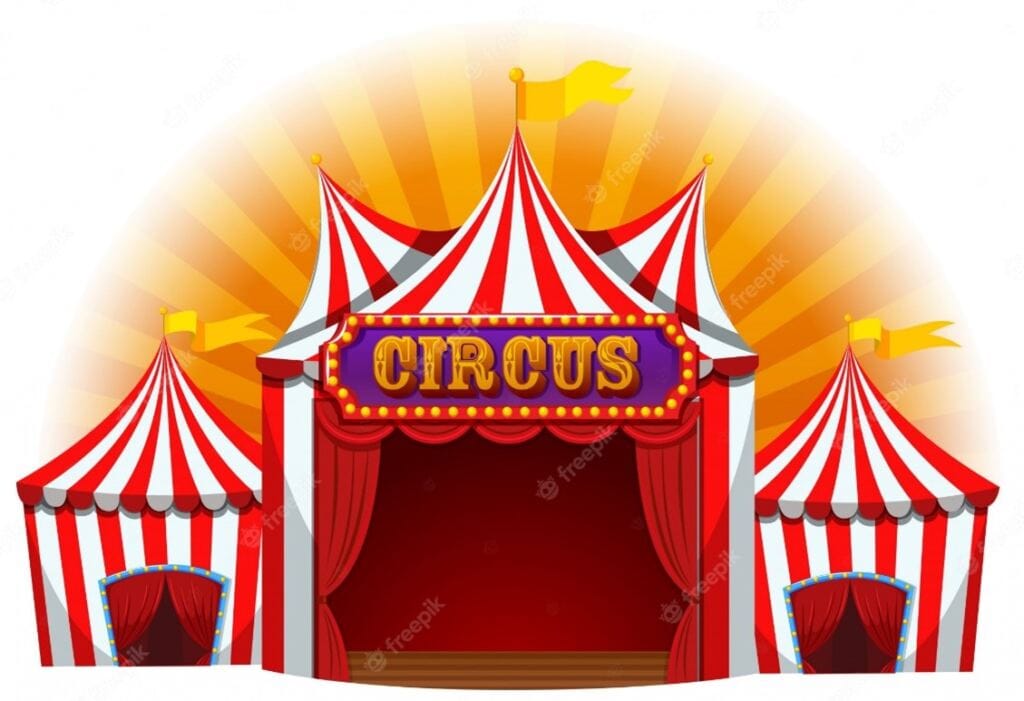
Circus
Circus is a form of entertainment that typically features acrobats, clowns, jugglers, and other performers. Circuses can be either indoor or outdoor, and they often travel from place to place.
3. Literary Art
Poetry
Poetry is a form of writing that uses language in a highly creative and expressive way. Poetry can be used to express emotions, tell stories, or simply explore the beauty of language.
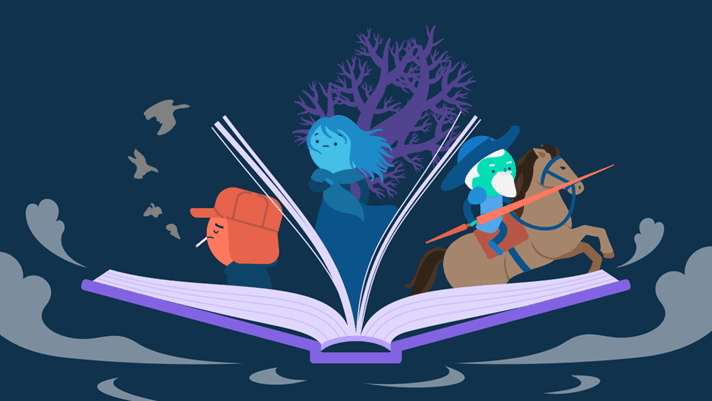
Fiction
Fiction is a form of writing that tells stories that are not based on real events. Fiction can be used to explore different worlds, different characters, and different possibilities.
Nonfiction
Nonfiction is a form of writing that tells stories that are based on real events. Nonfiction can be used to inform, educate, or entertain.
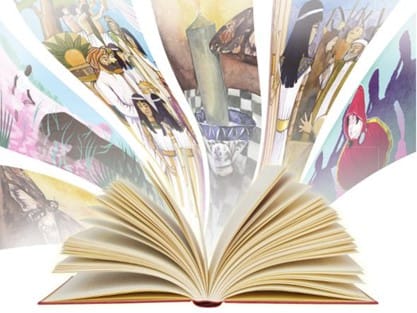
Drama
Drama is a form of writing that tells stories through the use of dialogue and action. Drama can be performed on stage, read in a book, or watched as a movie or TV show.
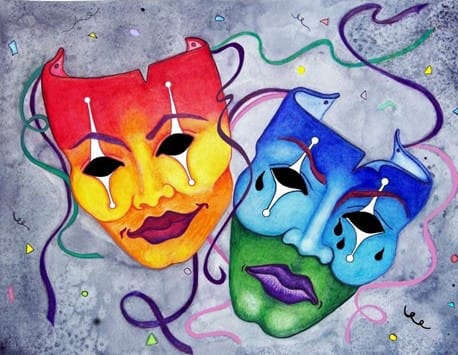
Creative nonfiction
Creative nonfiction is a form of writing that blends elements of fiction and nonfiction. Creative nonfiction is often used to tell personal stories in a way that is both informative and engaging.

4. Media Art
Digital art
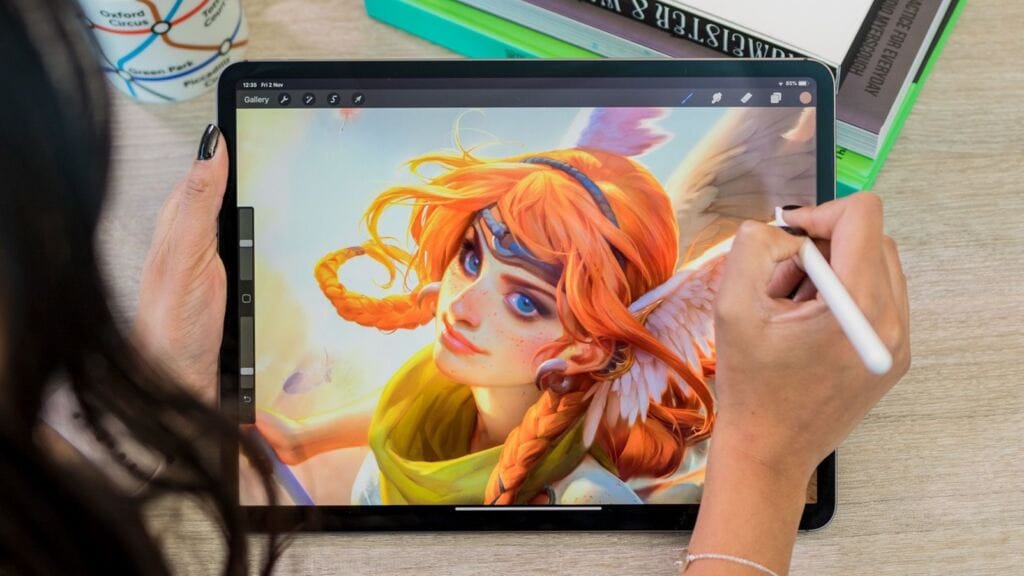
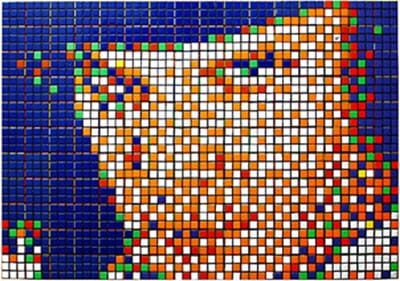
Digital art is a type of art that is created using digital tools and technologies. Digital art can be anything from simple graphics to complex animations.
Interactive art
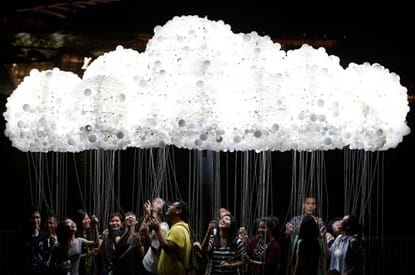
Interactive art is a type of art that allows the viewer to interact with it in some way. Interactive art can be anything from simple games to complex installations.
Internet art
Internet art is a type of art that is created for and distributed on the internet. Internet art can be anything from simple websites to interactive experiences.
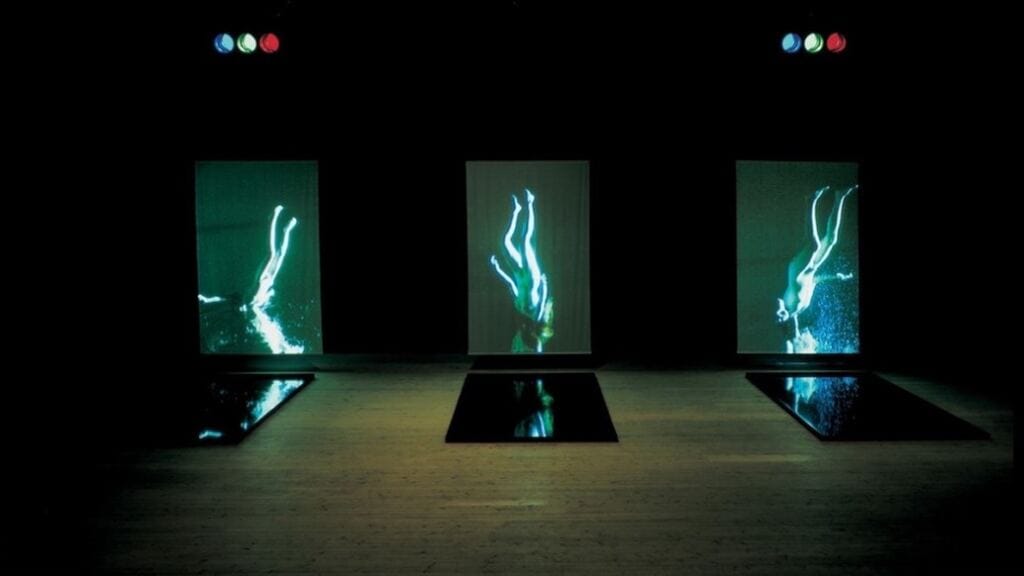
Video art
Is a type of art that uses video as its primary medium. Video art can be anything from short films to installations to interactive experiences.
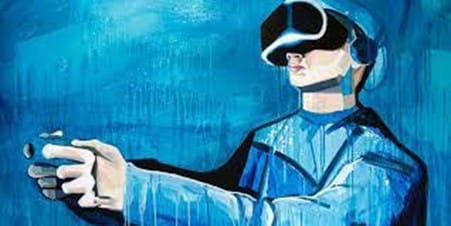
Virtual art
Virtual art is a type of art that exists in a virtual world. Virtual art can be anything from simple 3D models to complex simulations.
III. How Does Art Comes to School?
Art should be an important part of education. Therefore, to help children with a better approach to art, some of educative projects were created. These will be simple projects that students can easily do, but still demonstrate basic knowledge in many different aspects. These projects will also bring exciting and fun experiences for the students.
1. Geometric heart
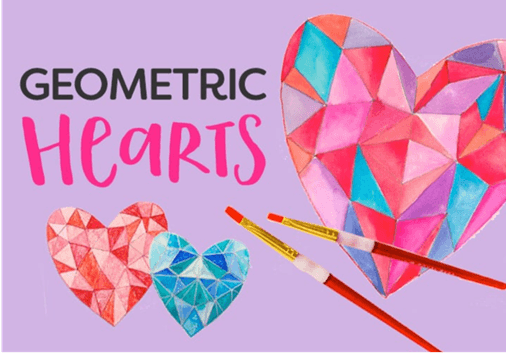
Students can cut heart shape out of paper and use a varied of shading techniques to create different dimensions. They can apply different shades of the same color or blend any mixture to their likings. They also implement this project to make a card for their loved ones.
2. Dream home
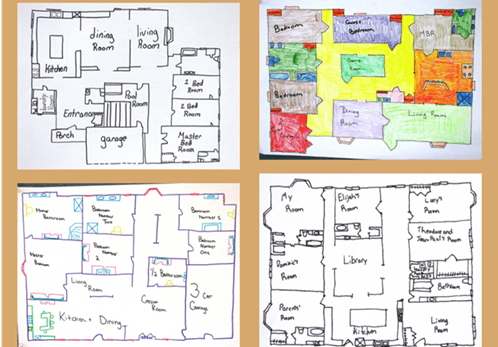
Students can start by outlining their house into a piece of paper and make any changes that they would love to have in their house. They also can use color-coding to indicate purposes, corridors and many different things.
3. Pop art
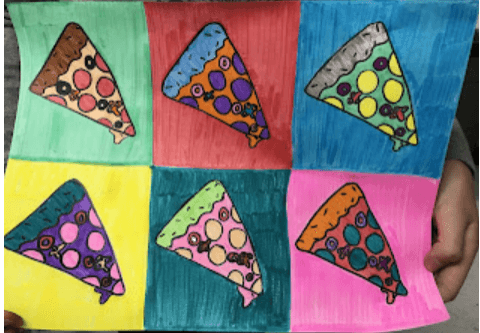
This project can teach students about abstract shapes and the mixing of different bright and bold colors. They could learn about posters and many famous artists in this field, such as Andy Warhol.
IV. FAQs
- How do artists work?
- Where can we get inspiration from?
- How do artists grow and become accomplished in art forms?
- What methods and processes are considered when preparing artwork for presentation and preservation?
- Which material is suitable and easy to find?
Conclusion
In a nutshell, there is no one definition of art that everyone agrees on, but Art is for everyone, not just for a certain class or an exclusive member of high society. Understanding what art is will help us expand our knowledge, find new perspectives on our own abilities, and even discover hidden skills that we did not know before. Art comes in many different forms and genres, so everyone can find a suitable art form to enjoy or perform.