


Lesson 1 – What is Accounting?
Introduction
Accounting is a systematic process that involves reporting, recording, interpreting, and summarizing economic data. Its purpose is to provide decision-makers in a company with valuable information about the financial status of the business, enabling them to make effective choices.
I. Definition and Importance
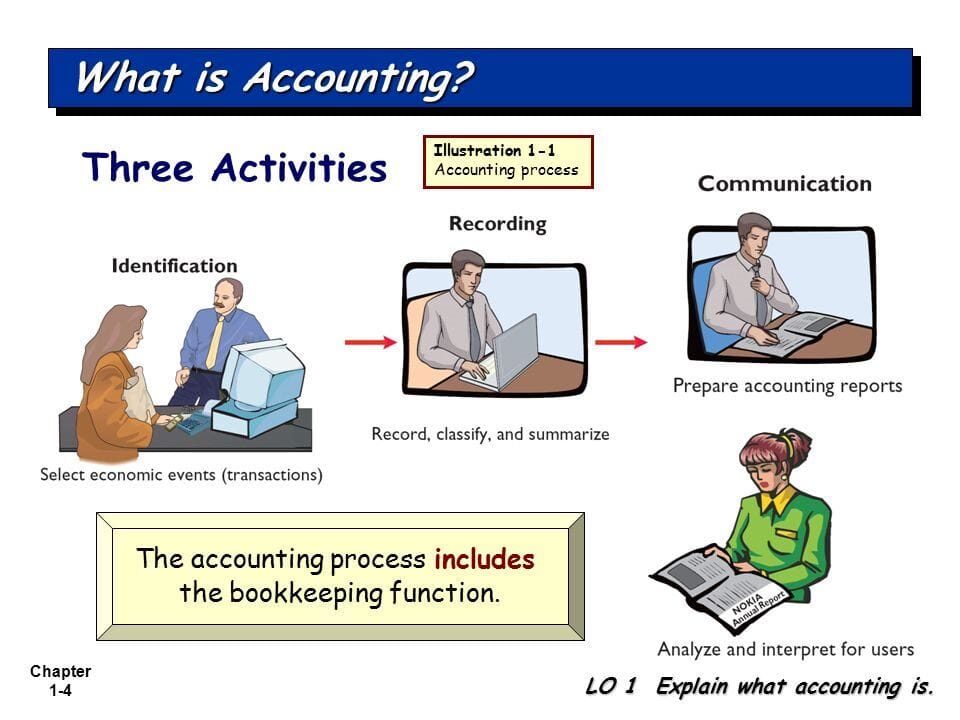
Accounting is the organized process of identifying, recording, categorizing, summarizing, interpreting, and communicating financial transaction information to various users, including owners, government, investors, and creditors. It provides information about the resources available in a firm, the means used to finance those resources, and the results achieved through their utilization.
The financial well-being of a business greatly affects its overall success. Accounting is crucial in monitoring income and expenses, enabling businesses to manage cash flow and meet tax deadlines effectively. It involves skills such as auditing, securing investments, and acquiring assets.
II. Purposes of Accounting
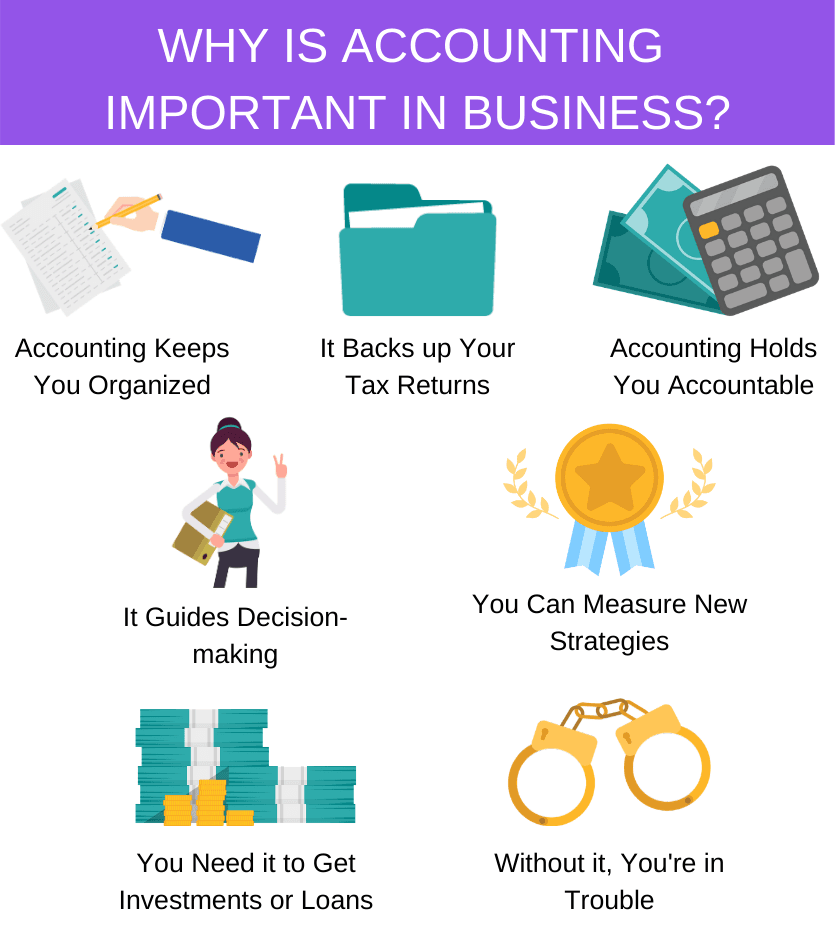
- • Maintaining proper records of business transactions according to specified rules helps minimize the chance of omission and fraud.
- • Determining the net profit or loss incurred from business transactions during a specific period and identifying the exact reasons for the profit or loss.
- • Assessing the financial position of the business through financial statements, such as the balance sheet.
- • Monitoring the progress of the business over time and identifying errors and frauds.
- • Providing accounting information to various interested parties, including owners, creditors, banks, and employees, who analyze the information according to their specific needs.
III. The Relationship Between Accounting and Business
Accounting is the language of business, providing a structured way to capture, interpret, and present financial information. This data is essential for making informed decisions that drive business success. CFOs, regional managers, and in-house accountants must understand the symbiotic relationship between accounting and business operations.
Here are some ways accounting drives business success:
1. Informed Decision Making:
Accurate financial data allows businesses to make informed decisions. Whether it’s assessing the profitability of a new product line or deciding on a potential merger, accounting provides the necessary clarity.
2. Risk Management:
Accounting helps identify potential financial risks early on, allowing businesses to mitigate them before they become significant issues.
3. Operational Efficiency:
By analyzing financial data, businesses can identify areas of inefficiency, such as operational costs, supply chain management, or workforce productivity.
4. Compliance and Reputation:
Proper accounting ensures businesses stay compliant with local and international regulations, avoiding legal issues and enhancing their reputation in the market.
5. Strategic Planning:
Based on accurate accounting, financial forecasts, and projections guide a company’s strategic planning. It provides a roadmap for growth, helping businesses navigate the future with confidence.
Conclusion
In essence, accounting encompasses the essential skills required for a successful entrepreneur. These skills include effectively managing cash flow, maintaining a balance sheet, determining a path to profitability, communicating about finances, and forecasting the future of a business.