


Lesson 1 – Reconstruction Period
Introduction
“Reconstruction” stands as a crucial chapter in American history that followed the Civil War, spanning from 1865 to 1877. This period represented a profound and intricate endeavor to reconstruct the United States in the aftermath of the devastating conflict between the Northern and Southern states. The Reconstruction era was characterized by a multifaceted process of political, social, and economic transformation, with the goal of addressing the scars left by the war, confronting the legacy of slavery, and reshaping the nation’s trajectory. In this introductory section, we will delve deeper into the intricacies of the Reconstruction era, examining the significant events, prominent individuals, and influential policies that shaped this pivotal period in American history. Furthermore, we will assess its enduring impact on the ongoing struggle for civil rights, social equity, and racial harmony in the nation.
I. Reconstruction
1. Story of definition:
Reconstruction, spanning from 1865 to 1877, represents the tumultuous period immediately following the Civil War. It aimed to reintegrate Southern states that had seceded from the Confederacy, along with the four million newly emancipated individuals, into the United States. During President Andrew Johnson’s tenure in 1865 and 1866, the newly established Southern state legislatures enacted restrictive “Black Codes” designed to regulate the labor and conduct of former slaves and other African Americans.
These Black Codes sparked outrage in the Northern states, leading to a decline in support for the approach known as Presidential Reconstruction and paving the way for the ascendancy of the more radical faction within the Republican Party. This shift marked the onset of Radical Reconstruction, which commenced with the passage of the Reconstruction Act of 1867. During this period, recently enfranchised Black citizens achieved political representation for the first time in American history, winning seats in Southern state legislatures and even the U.S. Congress.
However, in less than a decade, reactionary forces, including the Ku Klux Klan, initiated a violent counteroffensive that effectively reversed the advancements brought about by Radical Reconstruction, ultimately reinstating white supremacy in the South.
2. Origins of Reconstruction
In December 1863
The national discourse surrounding Reconstruction commenced during the Civil War. President Abraham Lincoln, less than a year after issuing the Emancipation Proclamation, unveiled the inaugural comprehensive Reconstruction strategy known as the Ten Percent Plan. According to this plan, a new state government could be established when one-tenth of a state's prewar voters pledged their loyalty. For Lincoln, this plan was primarily an effort to weaken the Confederacy rather than a detailed framework for the postwar South. Although it was put into practice in parts of the Confederacy occupied by the Union, none of the newly formed governments garnered widespread local support.
In 1864
Congress passed the Wade-Davis Bill (which Lincoln chose not to sign, effectively vetoing it), suggesting that the establishment of new Southern governments should be delayed until a majority of voters had taken a loyalty oath. Some Republicans were already convinced that granting equal rights to former slaves should be a prerequisite for the South's readmission to the Union.
In April 1865
On Lincoln final speech, while discussing Reconstruction in Louisiana, expressed the opinion that certain Black individuals, particularly those deemed "very intelligent" and those who had served in the Union army, should have the right to vote.
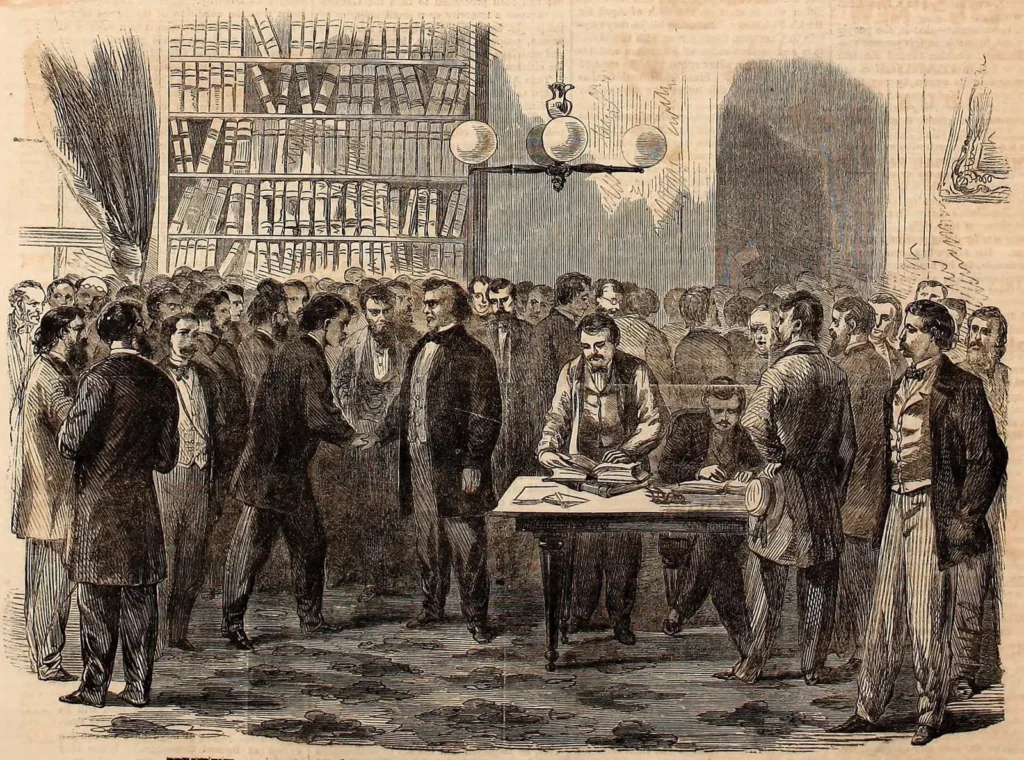
Presidential Reconstruction
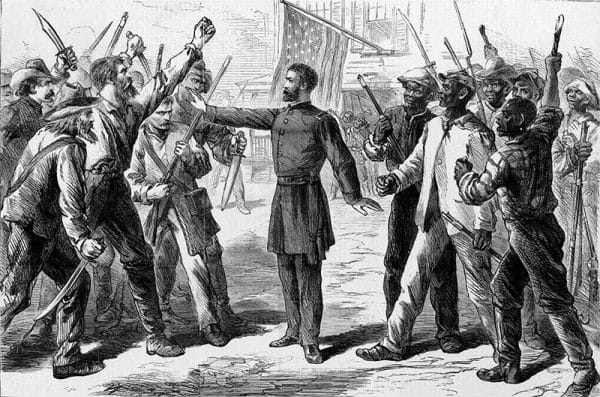
Failure or Success for the Reconstruction
3. When was The Reconstruction Era?
April 1865
After the assassination of Lincoln, Andrew Johnson assumed the presidency, marking the commencement of the Presidential Reconstruction era, which spanned from 1865 to 1867. During this period, Johnson extended a pardon to all white Southerners except for Confederate leaders and affluent plantation owners, although most of these individuals eventually received individual pardons. This pardon restored their political rights and ownership of all property, with the exception of slaves. Johnson also outlined the process for creating new state governments, granting them significant autonomy in managing their affairs, provided they met certain conditions, including the abolition of slavery, rejection of secession, and disavowal of the Confederate debt.
In response to these conditions, the newly formed state governments enacted a set of laws known as the Black Codes. These laws imposed various restrictions on African Americans, compelling them to enter into yearly labor contracts and employing other measures aimed at limiting the economic choices of freedmen while attempting to reestablish plantation discipline. These measures faced strong opposition from African Americans who vigorously resisted their implementation. Consequently, these actions seriously eroded Northern support for Johnson's policies.
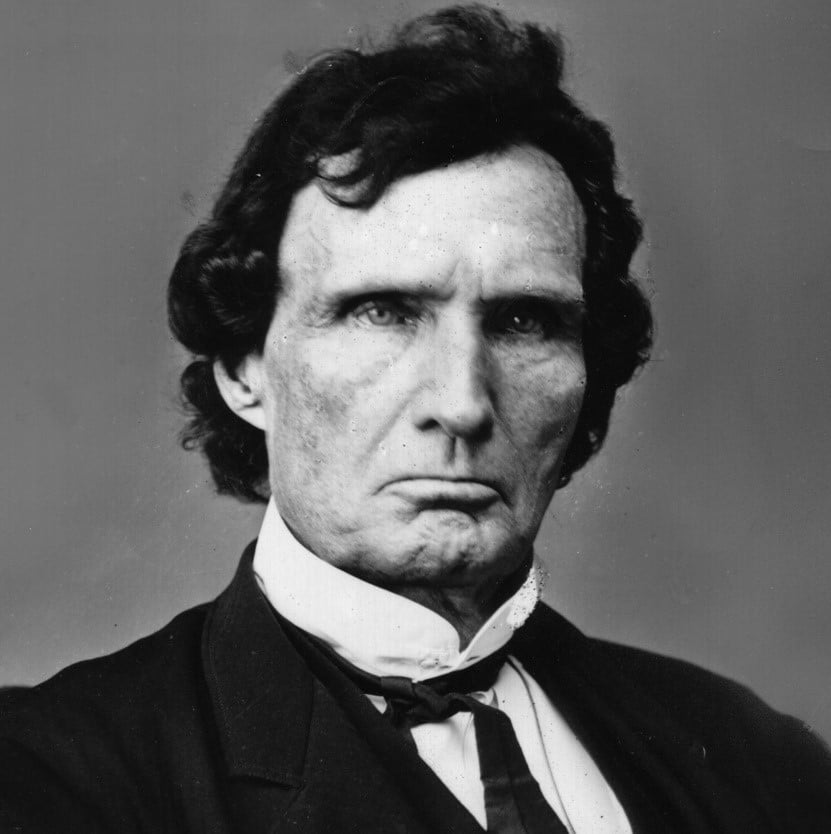
Abraham Lincoln
December 1865
While Congress assembled, Radical Republicans which include Rep. Thaddeus Stevens of Pennsylvania and Sen. Charles Sumner from Massachusetts referred to as for the established order of recent Southern governments based on equality before the regulation and standard male suffrage. however, the extra severa mild Republicans was hoping to work with Johnson even as modifying his program.
Early 1866
Congress refused to seat the representatives and senators elected from the Southern states and surpassed the Freedmen’s Bureau and Civil Rights bills. the first extended the lifestyles of an organization Congress had created in 1865 to supervise the transition from slavery to freedom. the second defined all persons born inside the united states of america as country wide residents, who were to enjoy equality before the law. A aggregate of personal stubbornness, fervent belief in states’ rights, and racist convictions led Johnson to reject those payments, inflicting a permanent rupture among himself and Congress.
The Civil Rights Act became the primary large regulation in American history to end up law over a president’s veto. rapidly thereafter, Congress permitted the Fourteenth change, which placed the precept of birthright citizenship into the constitution and forbade states to deprive any citizen of the “identical protection” of the legal guidelines. Arguably the most vital addition to the constitution aside from the bill of Rights, the modification constituted a profound change in federal-nation relations. historically, citizens’ rights had been delineated and guarded by the states. Thereafter, the federal government would assure all people’ equality before the law towards kingdom violation.
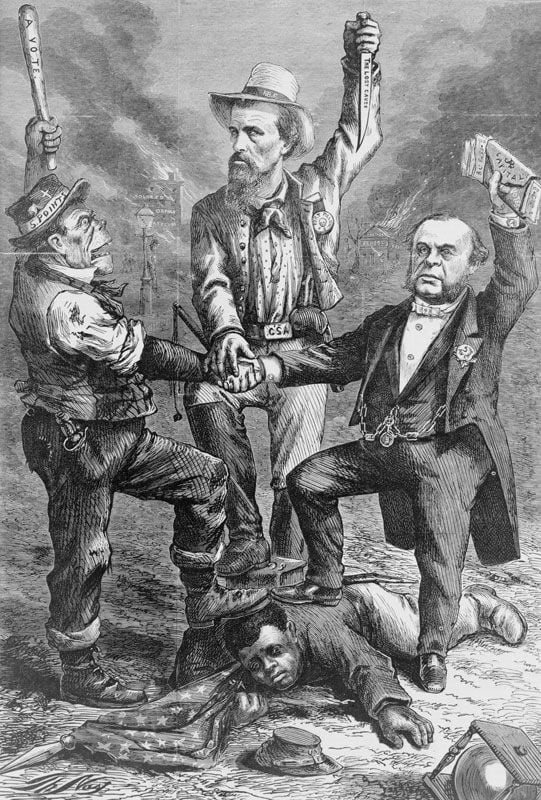
Radical Reconstruction
The fall 1866 congressional elections
Northern citizens overwhelmingly repudiated Johnson’s policies. Congress determined to begin Reconstruction anew. The Reconstruction Acts of 1867 divided the South into five army districts and outlined how new governments, based totally on manhood suffrage without regard to race, had been to be established. Consequently began the duration of Radical or Congressional Reconstruction, which lasted until the quit of the remaining Southern Republican governments in 1877.
In 1870
All the former accomplice states had been readmitted to the Union, and nearly all were controlled via the Republican birthday party, three businesses made up Southern Republicanism. Carpetbaggers, or latest arrivals from the North, were former Union soldiers, instructors, Freedmen’s Bureau retailers, and businessmen.
Freedmen’s Bureau, (1865–72), during the Reconstruction period, After the American Civil War
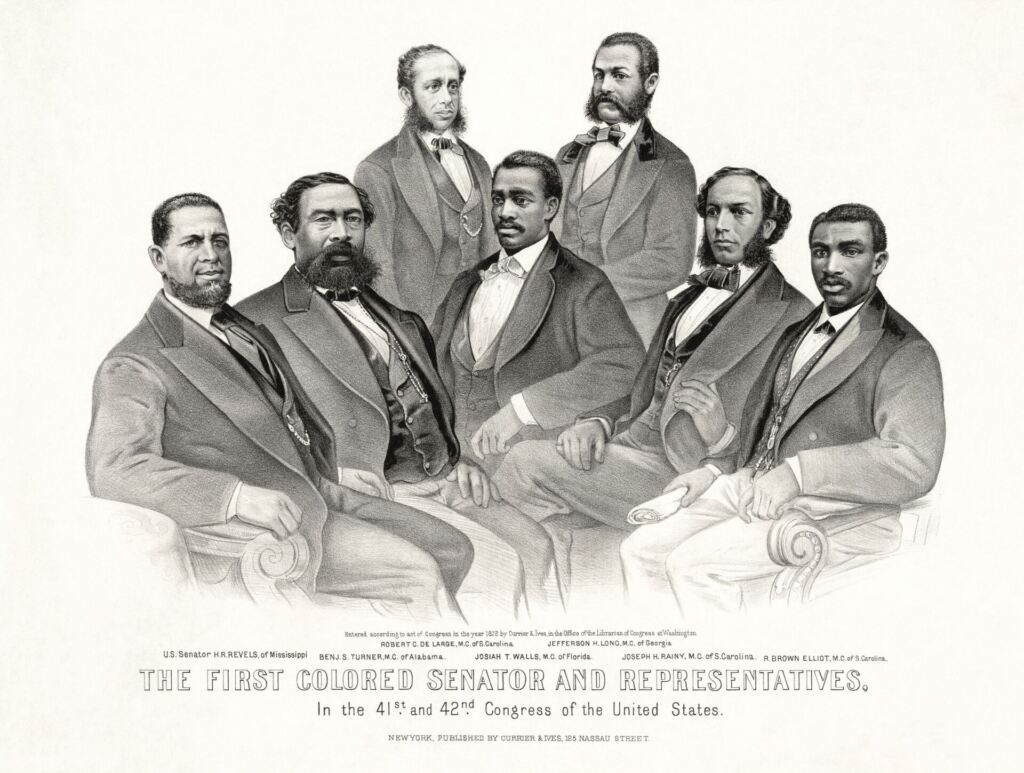
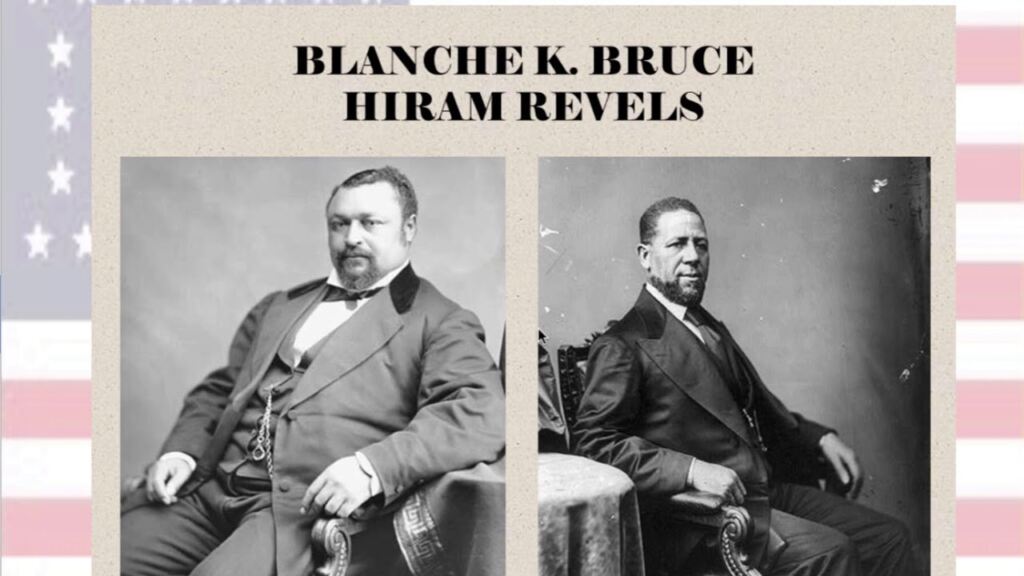
In every Southern state, African Americans constituted the overwhelming majority of Republican voters during the Reconstruction era. Right from the beginning of Reconstruction, Black conventions and newspapers throughout the South had been advocating for the extension of full civil and political rights to African Americans. This group consisted of individuals who had been free before the Civil War, along with slave ministers, skilled artisans, and veterans of the Civil War. Black political leaders pushed for the dismantling of the racial caste system and improving the economic prospects of former slaves. A total of sixteen African Americans served in Congress during Reconstruction, including notable figures like Hiram Revels and Blanche K. Bruce in the U.S. Senate. Additionally, more than 600 held positions in state legislatures, and many more occupied various local offices, from sheriffs to magistrates, across the South.
While there was no such thing as "Black supremacy," the presence of African Americans in positions of political power marked a significant departure from the traditional norms in the United States, provoking strong opposition from those who opposed Reconstruction.
During Reconstruction era
Reconstruction governments, tasked with serving a broader population, established the South's first publicly funded school systems, aimed to improve the bargaining power of plantation workers, made taxation more equitable, and banned racial discrimination in public transportation and accommodations. They also provided substantial support to railroads and other corporations in the hopes of fostering a "New South" that would bring economic prosperity to both Black and white citizens. However, this economic agenda gave rise to corruption and increasing taxes, which led to growing discontent among white voters.
Really, when do you plan to do that?
II. The End of Reconstruction
During the 1870s
The momentum of Reconstruction began to wane. In this period, many Republicans scaled back their support for both advocating racial equality and endorsing the expansive interpretation of federal authority that had emerged during the Civil War. Critics of Reconstruction contended that the corruption and instability in the South could be attributed to the exclusion of the region's affluent landowners, commonly referred to as "planters," from positions of influence. As Northern Republicans adopted more conservative positions, Reconstruction started to be viewed as an imperfect effort to uplift the socioeconomically disadvantaged classes within society. Reflecting this shifting sentiment, a series of crucial Supreme Court rulings, commencing with the Slaughterhouse cases in 1873, significantly limited the scope of Reconstruction laws and constitutional amendments.
By 1876
Only three Southern states—South Carolina, Florida, and Louisiana—remained under Republican rule. The outcome of that year's presidential election, featuring Republican candidate Rutherford B. Hayes and Democrat Samuel J. Tilden, hinged on contested returns from these states. Negotiations between Southern political leaders and representatives of Hayes led to a compromise: Hayes would formally recognize Democratic control of the remaining Southern states, and in return, Democrats would refrain from obstructing the certification of his election by Congress (refer to the U.S. presidential election of 1876). As Hayes assumed the presidency, federal troops gradually withdrew from their active roles. This marked the conclusion of an era in which the federal government had taken on the responsibility of safeguarding the rights of former slaves, effectively concluding the period of Reconstruction.
Following the Compromise of 1877
The conclusion of Reconstruction signified a pivotal moment in American history. Federal forces withdrew from the South, indicating the end of Reconstruction initiatives. This withdrawal empowered Southern states to resume governance. Consequently, African Americans encountered heightened prejudice and brutality, paving the way for the enforcement of segregationist Jim Crow legislation. The termination of Reconstruction marked the onset of an era characterized by racial segregation, the denial of voting rights, and restricted civil liberties for African Americans, profoundly impacting American society for generations.
In the 20th century
A new racial hierarchy emerged in the South, characterized by the disenfranchisement of Black voters, the implementation of a rigid system of racial segregation, the relegation of African Americans to low-wage jobs in agriculture and domestic work, and the use of both legal and extralegal violence to suppress those who challenged the new order. Nevertheless, even as these Reconstruction amendments were flagrantly disregarded, they remained part of the Constitution like dormant giants, a concept aptly articulated by Charles Sumner. These amendments would ultimately be reawakened by subsequent generations striving to fulfill the promise of genuine freedom for the descendants of slavery. This awakening did not come to fruition until the 1960s, during the civil rights movement, often referred to as the "second Reconstruction."
III. Impressive things & people
Following the end of Reconstruction
The implementation of Jim Crow laws in Southern states entrenched racial segregation, profoundly shaping societal norms. These laws significantly impacted the lives of African Americans, restricting their access to education, employment, and social opportunities, leaving a lasting impression on generations.
The Compromise of 1877
Signaling Reconstruction's conclusion, resulted in the removal of federal troops from the South. This absence of protection exposed African Americans to violence and harassment by white supremacist groups. This perilous environment influenced people's choices, compelling many African Americans to relocate to urban centers, sparking the Great Migration and reshaping the demographic landscape of the United States.
Frederick Douglass
An influential African American abolitionist, Douglass made powerful arguments for racial equality and civil rights, leaving a lasting impact during and after the Civil War. His speeches and writings resonated widely, advocating for suffrage and legal protections for African Americans, shaping the discourse of the Reconstruction era.
Thaddeus Stevens
A leader among Radical Republicans, Stevens passionately championed civil rights during Reconstruction. His advocacy in Congress led to vital legislative changes, focusing on rebuilding the South and ensuring the rights of newly emancipated slaves. Stevens' influence in shaping policies aimed at fostering equality and protecting African American rights was pivotal during this transformative period.
IV. FAQ
How did the Compromise of 1877 impact the course of Reconstruction?
Compromise of 1877 led to the withdrawal of federal troops from the South, which had a profound effect on the Reconstruction efforts. This withdrawal paved the way for the implementation of discriminatory laws and segregation practices, particularly disadvantaging African Americans.
In what ways did the Reconstruction Amendments change the status of African Americans in society?
The Reconstruction Amendments, encompassing the 13th, 14th, and 15th Amendments, aimed to secure essential rights for African Americans, including freedom and voting privileges. Despite these progressive changes, the practical application of these amendments faced significant obstacles, especially after Reconstruction concluded.
How did violence and intimidation contribute to the decline of Reconstruction policies?
Acts of violence and intimidation, perpetrated by groups like the Ku Klux Klan, played a significant role in undermining Reconstruction efforts. The widespread fear created by these acts led to a hostile environment, ultimately weakening the resolve for implementing Reconstruction reforms and ensuring equality for all citizens.
Conclusion
By using the flip of the century, a new racial machine was installed location within the South, resting on the disenfranchisement of the Black electorate, an inflexible system of racial segregation, the relegation of African Americans to low-wage agricultural and home employment, and legal and extralegal violence to punish folks that challenged the new order. however, whilst flagrantly violated, the Reconstruction amendments remained in the charter, drowsing giants, as Charles Sumner called them, to be awakened by way of subsequent generations who sought to redeem the promise of proper freedom for the descendants of slavery. now not till the Sixties, inside the civil rights motion, from time to time known as the “2nd Reconstruction,” would the USA once more try to satisfy Reconstruction’s political and social schedule.