


Chapter 1, Lesson 1
In Progress
Lesson 1 – How to Analyze a Literary Passage
Chapter Progress
0% Complete
Introduction
The objective of this lesson is for learners to scrutinize the essential components of literature and apply their insights to assess a written work. Through this lesson, students will gain the ability to:
- Identify vital literary elements such as a text's characters, setting, Plot, and theme.
- Assess the links between a character's setting, Plot, and theme.
- Utilize evidence from literary works to support an argument.
I. Definition
A literary work is examined and evaluated through literary analysis. When someone analyzes a piece of literature, they consider the literary devices the author employed to convey their message. Readers study the text’s figurative language, syntax, diction, and structure in the first critical reading. Readers examine these components and analyze how the author interprets them. After that, they explore particular examples from the text to substantiate their analytical claims. A literary work is examined and evaluated through literary analysis. Then, we will go through each analysis step: comprehension, interpreting, and drawing conclusions.
In this context, we will focus on the broader implications of close reading, establishing connections, and drawing inferences. You may already possess a firm grasp of these skills, albeit unconsciously implemented.

II. Explanation
To begin with, you need to peruse the literary piece once to comprehend how its fundamental elements interlock to form a cohesive narrative. In essence, this comprehension serves as an introductory overview of the work.
- Setting
- Characters
- Plot (to the extent that they are revealed)
1. Close Reading and Interpretation
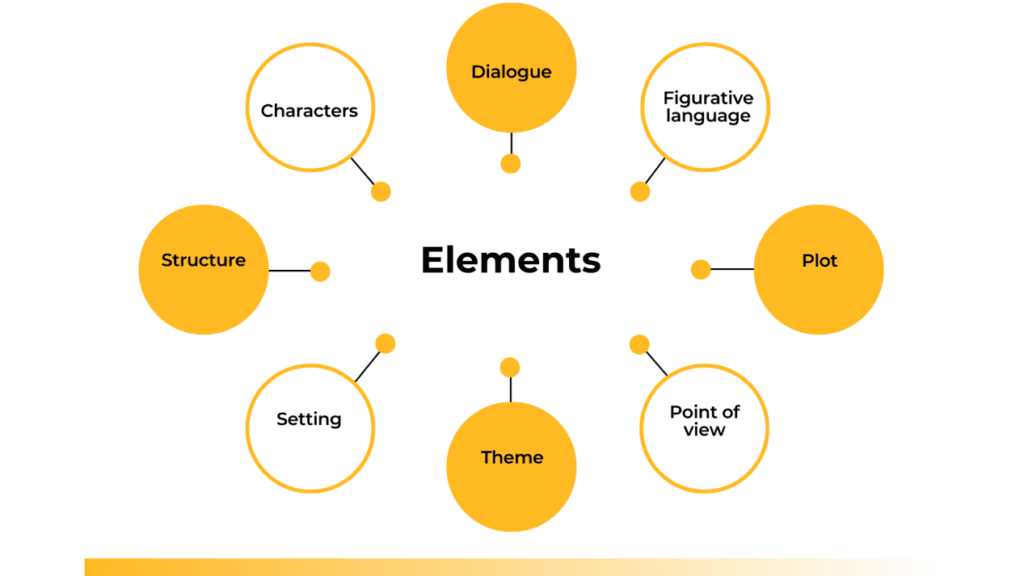
By analyzing literature, readers can express how they understand a book. The following factors, for example, should be considered while interpreting literature: Characters, Dialogue, Figurative language, Plot, Point of view, Theme, Tone, Setting, and Structure… Ask and reply to additional analytical questions when you decide to study a text and decide on the elements (content, language, structure) on which to concentrate the analysis.
Next, we need to do a close reading. You select a specific text part and examine it as if using a magnifying glass. Close reading is essential because it serves as the basis for a greater level of examination. Your thoughts will be more creative and accurate if you observe more closely. As you begin a close reading, ask yourself a few specific questions. These questions are a starting point for your great ideas. You should organize your close reading like any other kind of essay, paragraph by paragraph, but you can arrange it any way you like.
1.1. Impressions:
- What impressed you most about the passage at once? And the second one?
- What kind of feeling does the passage evoke in you? Why
1.2. Vocabulary and Diction:
- Which words do you notice first? Why?
- Does the use of any words strike you as weird? Why?
- Are there any words with multiple meanings? Do they carry any additional purposes?
1.3. Discerning Patterns:
- Does an image here remind you of an image elsewhere in the book? Where? What's the connection?
- How might this picture fit into the overall theme of the book?
- How does the sentence flow? Choppy and brief? Lengthy and fluid? Does it maintain a steady pace, or does it build on itself? What kind of style is it?
1.4. Point of View and Characterization:
- How does the passage make us react or think about any characters or events within the narrative?
- Exist any sensory-appealing shades, sounds, or physical descriptions? Is there a pattern to this imagery? Why may the author have chosen that color, tone of voice, or physical description?
1.5. Symbolism:
- Are metaphors used? What types?
- How might objects represent something else?
2. Writing a Literary Analysis Essay
To write a literary analysis essay, students should follow the steps below:
2.1. Read and Understand the Prompt
First, writers should read the prompt carefully and reflect on the following questions:
- What issue is the writing prompt asking for?
- Does the prompt articulate more than one task for writers?
- Is this prompt asking about the text as a whole or a specific part of the text?
Note: Underline essential words with a pen or pencil in the prompt. This will support your recollection of the literary analysis essay’s principal purpose.
2.2. Critically Read the Text
Make a note of the critical literary components whe2.n you read a work. For instance, note every incidence of that symbol in the text if you observe that a writer frequently employs the same sign. This will make it easier to do a text analysis since finding evidence of the author’s use of literary techniques to convey meaning will be more straightforward.
2.3. Craft a Thesis Statement
A compelling thesis serves as a summary of the entire argument on its own. The essential idea of the essay should be clear to readers after reading just the thesis statement. The above thesis stands out since it includes the text’s title and author, the literary techniques they will discuss in the essay, and a claim about how those elements will affect the author’s message.
2.4. Outline the Essay
Instead of lengthy quotes, choose brief, impact pieces of evidence to allow for a more thorough study. When writing a literary analysis essay for an exam and you run short on time, skip the second piece of evidence in a body paragraph and move on to the next section. You will then have at least three supporting arguments.
2.5. Write the Essay
You may need more time to write a thorough outline if you are writing a literary analysis essay for a timed exam. Instead, as soon as you have a thesis, rapidly develop three arguments in favor of it. Write them down on scrap paper and add page numbers or keywords from the supporting material. This will give you a general idea of the essay’s structure in a manageable time.
2.6. Drawing a conclusion
The most common conclusion from a piece of literature is “theme,” or the general concepts that organize the work. In the final analysis stage, you, the reader, must consider all the previously analyzed aspects to conclude.
III. FAQ
1. What is literary analysis?
A literary passage is thoroughly examined and interpreted through the use of literary analysis, which focuses on elements such as themes, characters, symbolism, tone, and more. It seeks to elucidate the text’s deeper meanings and insights.
2. How do I start the analysis?
To understand the passage’s meaning, start by reading it several times. Make a note of your initial thoughts, feelings, and any standout features. Identify the main theme or message.
3. What elements should I look for?
A3: Look for literary devices like metaphors, similes, imagery, and symbolism. Take into account the narrative style, the setting, the conflicts, and the character motivations. Examine the tone and mood of the passage.
4. How do I identify the theme?
The passage’s theme is its main point or takeaway. Consider the message the author is trying to get across about society, human nature, or everyday life.
5. What's the significance of literary devices?
The use of literary devices gives the writing depth. They can aid in explaining difficult concepts, produce striking imagery, and arouse feelings. Describe these techniques and how they contribute to the passage’s greater meaning.
6. How do I analyze the tone and mood?
The mood is the emotional atmosphere, whereas the tone is the author’s attitude. Determine the words, phrases, and imagery that arouse particular emotions. Describe how the mood and tone affect the overall impact.
Conclusion
In short, a literary work is examined and evaluated through literary analysis. Readers should consider how different literary devices contribute to meaning while reviewing the literature. When studying literature, writers should consider themes, structure, tone, and figurative language. When creating a literary analysis essay, authors should read the assignment instructions, analyze the text, develop a thesis statement, and then make an outline. When interpreting literature, readers should derive meaning from brief but essential evidence.