


Lesson 6 – French Exploration of North America
Introduction
North America’s exploration history is a fascinating tapestry woven by various European powers seeking new lands and opportunities. Among these explorers, the French played a significant role in shaping the continent’s early history. From the early 16th to the 18th centuries, French explorers ventured across North America, establishing settlements and trading networks and leaving an indelible mark on the region.
In this lesson, we will delve into the history and provide an overview of the French exploration of North America.
I. Forging a New World: The French Exploration of North America
1. Timeline of French Explorers of the New World
The timeline of French explorers of the New World spans several centuries, revealing a rich history of exploration and colonization. It all began in the early 16th century when French navigator Jacques Cartier embarked on his voyages to North America, exploring the St. Lawrence River and claiming territories for France. In the early 17th century, Samuel de Champlain established a permanent settlement in Quebec, leading to the founding of New France. Later in the 17th century, Rene-Robert Cavelier, Sieur de La Salle, ventured through the Mississippi River, claiming vast territories in the Louisiana region for France. French exploration in the New World continued well into the 18th century with expeditions by Pierre Le Moyne D’Iberville and Louis Jolliet, among others. The contributions of these intrepid explorers played a significant role in shaping France’s colonial presence in the Americas and fostering cultural exchange with indigenous populations.
2. Early French Explorers
Early French explorers played a crucial role in shaping the history of American exploration and colonization. Their voyages opened up new lands for France and paved the way for significant cultural and economic exchanges between the Old World and the New World. Here are some notable French explorers and their contributions:
Jacques Cartier (1491-1557):
Jacques Cartier is often considered one of the most important early French explorers. He made three voyages to North America between 1534 and 1542, exploring the eastern coast of Canada and the St. Lawrence River. During his first voyage, Cartier reached the Gulf of St. Lawrence and explored the coast of Newfoundland and Labrador. On his second voyage, he sailed further up the St. Lawrence River and even attempted to establish a settlement at Quebec City, although it ultimately failed. Cartier’s explorations laid the foundation for future French claims and interests in North America.
Samuel de Champlain (1567-1635):
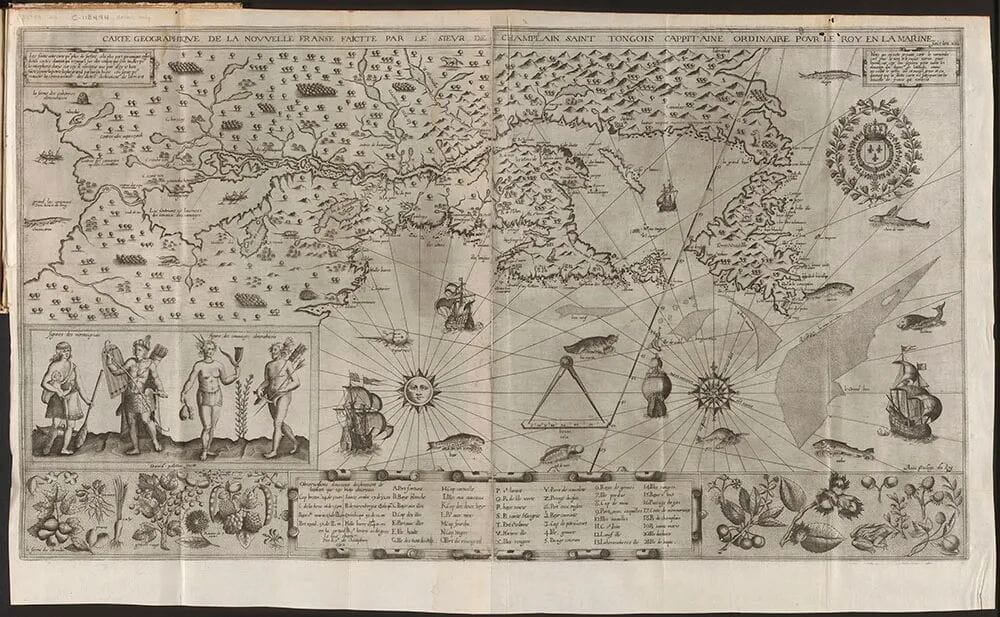
Samuel de Champlain, often called the “Father of New France,” was a key figure in the early French colonization of Canada. In 1608, he founded Quebec City, which became the capital of New France. Champlain continued to explore and map the surrounding areas, making extensive voyages throughout the northeastern regions of North America, including parts of present-day New England and the Great Lakes. He also fostered alliances with various indigenous peoples, establishing valuable trade partnerships.
René-Robert Cavelier, Sieur de La Salle (1643-1687):
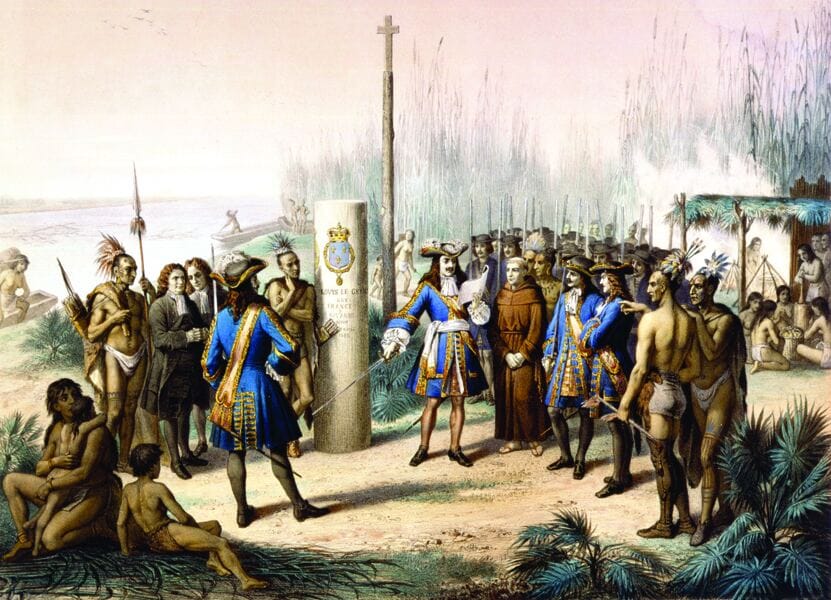
La Salle was an explorer known for his significant expeditions in North America. He explored the Great Lakes region, including Lake Michigan, Lake Huron, and Lake Erie, and became the first European to navigate the entire length of the Mississippi River, claiming the vast territory for France and naming it “Louisiana” in honor of King Louis XIV. La Salle’s explorations were critical in expanding the French presence in the interior of North America.
Pierre-Esprit Radisson (1636-1710) and Médard des Groseilliers (1618-1696):
La Salle was an explorer known for his significant expeditions in North America. He explored the Great Lakes region, including Lake Michigan, Lake Huron, and Lake Erie. He became the first European to navigate the entire Mississippi River, claiming the vast territory for France and naming it “Louisiana” in honor of King Louis XIV. La Salle’s explorations were critical in expanding the French presence in the interior of North America.
Sieur de Vincennes (1671-1736):
François-Marie Bissot, Sieur de Vincennes, explored the region around the Wabash and Mississippi Rivers in the early 1700s. He established several trading posts and forts, contributing to the expansion of French influence in the Ohio Valley and the Illinois Country.
The explorations of these early French explorers had a lasting impact on North America. They laid the groundwork for French claims and colonization in the region and facilitated cultural exchanges and trade between the indigenous peoples and European settlers. While the French would eventually lose much of their territory to the British in the French and Indian War (1754-1763) and other conflicts, their explorations and settlements left a lasting legacy in the culture, language, and place names of various regions across North America.
3. Samuel de Champlain and New France
Samuel de Champlain was a French explorer, navigator, and cartographer crucial in establishing New France in North America during the 17th century. He is often called the “Father of New France” and is remembered for his numerous expeditions and efforts in exploring and colonizing the region.
Early Life and Background:
Samuel de Champlain was born around 1567 in Brouage, a small port town in Saintonge, France. Not much is known about his early life, but it is believed that he received a formal education and likely gained some knowledge of navigation and maritime skills.
Exploring the St. Lawrence River:
In 1603, Champlain embarked on his first voyage to North America, joining an expedition led by François Gravé Du Pont. They explored the eastern coastline of North America, primarily in the area of present-day Nova Scotia. This journey sparked Champlain’s interest in the region and its potential for colonization.
In 1608, Champlain returned to North America and established a settlement on the site of present-day Quebec City, Canada; this marked the beginning of the permanent French presence in the region. The settlement was strategically located along the St. Lawrence River, providing access to the continent’s interior and a vital route for trade and exploration.
Relations with Indigenous Peoples:
Champlain understood the importance of maintaining good relations with the region’s indigenous peoples. He established friendly relations with the Algonquin and Huron tribes, forming alliances that proved essential for the survival and growth of the French colony. These alliances also helped him in his explorations and travels, as the indigenous peoples often acted as guides and provided valuable knowledge about the land.
Exploration of the Great Lakes:
One of Champlain’s most significant achievements was his exploration of the Great Lakes. In 1615, he embarked on an expedition with his allies, the Huron, to reach the “Mer douce” (Sweet Sea), which the French called the Great Lakes at the time. During this expedition, he became the first European to set eyes on Lake Huron and Lake Ontario and ventured into present-day New York State. His explorations greatly contributed to European knowledge of the interior of North America.
Legacy and Impact:
Samuel de Champlain’s efforts laid the foundation for the French colonization of North America. His establishment of Quebec as a permanent settlement set the stage for the development of New France, which would eventually encompass a vast territory in present-day Canada and the United States. Under French rule, New France would include significant regions like Louisiana (named after King Louis XIV) and Acadia (comprising parts of present-day Canada’s Atlantic provinces).
Champlain’s legacy is also evident in the culture and place names of the region. Many locations in Canada and parts of the northern United States bear his name or references to his voyages, reflecting his lasting impact on the history of North America.
4. The Fur Trade and French Expansion:
The fur trade significantly influenced French expansion during the 17th and 18th centuries. It was a crucial economic activity that drove exploration, colonization, and establishment of trading posts across North America, particularly in regions known for their abundant fur-bearing animals. The fur trade not only shaped the course of French colonial history but also had profound implications for the indigenous peoples and ecosystems of the continent.
The Origins of the Fur Trade in New France:
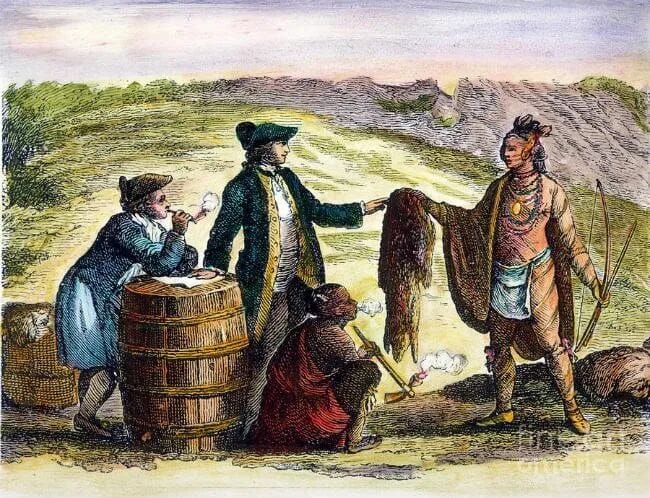
The fur trade in New France (the French colonies in North America) began with the arrival of French explorers and settlers in the early 1600s. The region’s indigenous peoples, including various Algonquian, Huron, and Iroquoian tribes, were already engaged in local trade networks that involved furs, which they used for clothing, shelter, and other purposes. The French, recognizing the value of these furs in European markets, eagerly entered this pre-existing trade system.
The Fur Trade Network:
The French established a vast network of trading posts and forts throughout the interior of North America to facilitate the collection and export of furs. These trading posts served as important centers for commerce and cultural exchange between the French and the indigenous peoples. The most critical French trading hubs included Quebec, Montreal, Trois-Rivières, and later, Detroit, which became crucial nodes in the fur trade network.
The Coureurs des bois and Voyageurs:
The French fur traders, known as “coureurs des bois” (runners of the woods), played a pivotal role in the fur trade. These adventurers were often young men who ventured deep into the wilderness to trade directly with the indigenous tribes and secure a steady supply of furs. They developed close relationships with the native peoples, learning their languages and adapting to their way of life.
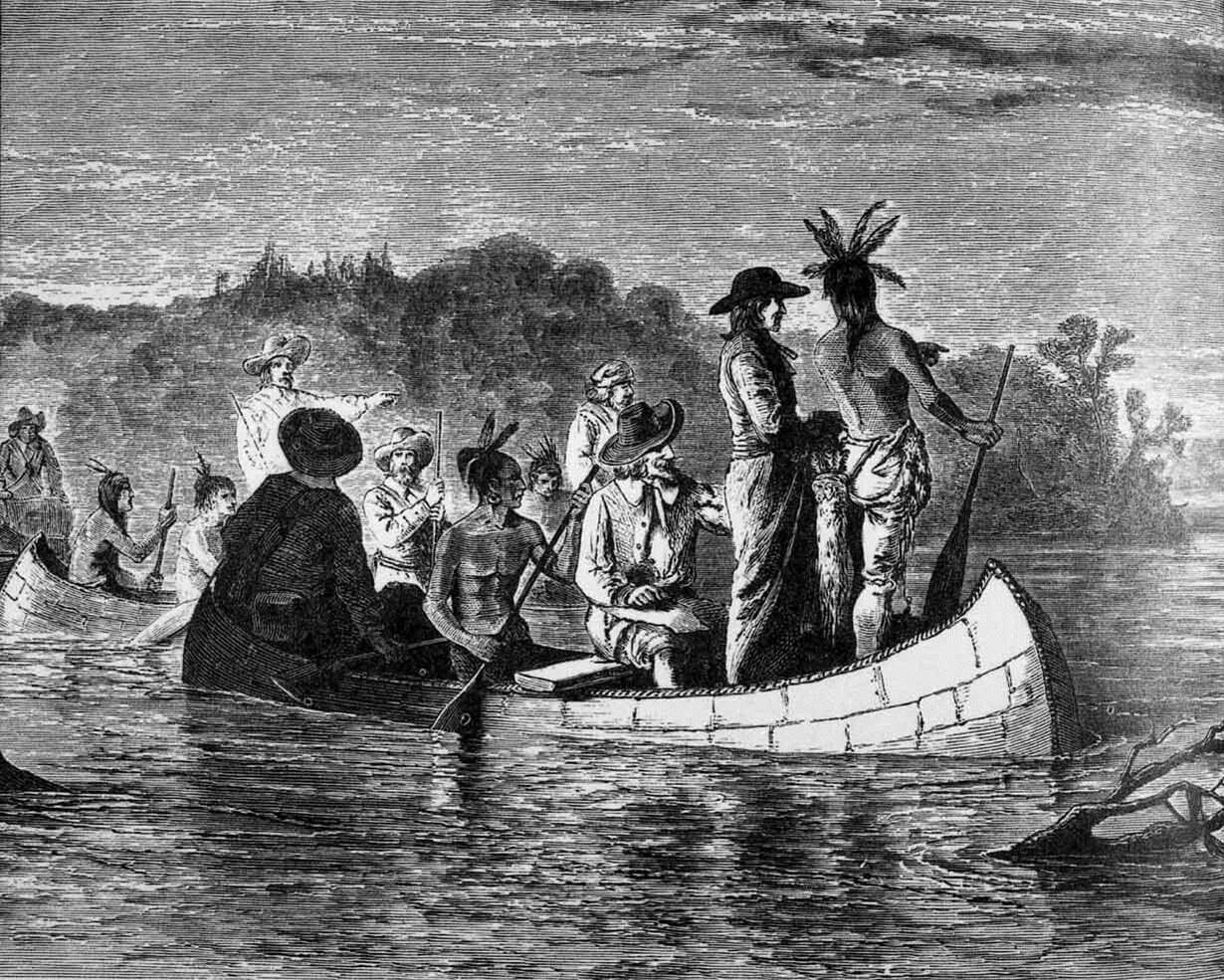
Later, another group of traders called “voyageurs” emerged. These were French-Canadian men who worked for fur trade companies and were responsible for transporting the furs over long distances in canoes. The voyageurs became legendary for their endurance and skill in navigating the challenging waterways of North America.
Impact on Indigenous Peoples:
The fur trade had positive and negative impacts on the indigenous peoples of North America. On the positive side, trade with the French provided access to European goods such as metal tools, firearms, cloth, and other commodities that enhanced their quality of life and changed certain aspects of their material culture.
However, the fur trade also posed significant challenges for the indigenous communities. As the demand for furs grew in Europe, competition among tribes to secure access to European goods intensified, leading to intertribal conflicts. Moreover, the trading of firearms significantly altered the dynamics of indigenous warfare and hunting practices, often destabilizing traditional social structures.
Decline and Legacy:
By the late 18th century, the fur trade in New France began to decline. Several factors contributed to this decline, including overexploitation of fur-bearing animals, increased competition from British and American traders, and changing European fashion trends. Additionally, the Seven Years‘ War (1756-1763) between France and Britain further weakened French dominance in North America, leading to the eventual cession of New France to the British in 1763 through the Treaty of Paris.
Despite its decline, the fur trade had a lasting impact on the region. Many trading posts and settlements established during this period eventually grew into major cities in North America, such as Montreal and Detroit. The coureurs des bois and voyageurs also played a crucial role in expanding French influence deep into the continent, paving the way for further exploration and colonization.
5. Exploration of the Mississippi River:
Exploring the Mississippi River holds significant historical importance, shaping North America’s early exploration and colonization. It is a tale of intrepid adventurers, ambitious explorers, and the gradual expansion of European influence across the continent.
The Mississippi River is one of the longest rivers in the world, stretching approximately 2,320 miles (3,734 kilometers) from its source in Lake Itasca, Minnesota, to its mouth at the Gulf of Mexico. The river’s watershed covers a vast area, including parts of 31 U.S. states and two Canadian provinces.
Native American tribes had inhabited the Mississippi River region for thousands of years before the arrival of European explorers. The river served as a lifeline for these indigenous peoples, providing water for drinking, fishing, transportation, and agriculture.
The first known European to set eyes on the Mississippi River was the Spanish explorer Hernando de Soto in 1541. Leading an expedition searching for gold and other riches, de Soto and his party reached the river near present-day Memphis, Tennessee. They were the first Europeans to cross the river, and their exploration added valuable information about the river’s existence to European maps.
Other prominent explorer associated with the Mississippi River is Jacques Marquette, a French Jesuit missionary, and Louis Joliet, a French-Canadian fur trader. In 1673, Marquette and Joliet embarked on an expedition to find a water route to the Pacific Ocean. They traveled by canoe down the Fox River in Wisconsin and eventually reached the Mississippi River. They became the first Europeans to navigate the river’s upper reaches, making their way south to the mouth of the Arkansas River. Realizing the Mississippi flowed southward and not westward to the Pacific, they turned back but significantly expanded European knowledge of the region.
However, the most famous and influential explorer associated with the Mississippi River was the French-Canadian René-Robert Cavelier, Sieur de La Salle. In the late 17th century, La Salle envisioned claiming France’s entire Mississippi River valley. In 1682, he and his expedition reached the mouth of the Mississippi River, which he named “Louisiana” in honor of King Louis XIV of France. La Salle’s claim to the region paved the way for French colonization and opened up the Mississippi River as a crucial trade route.
French control over the Mississippi River valley was eventually ceded to Spain in 1763 as part of the Treaty of Paris following the French and Indian War. However, the area became a focal point of tension between European powers as they sought to expand their territorial claims in North America.
The Mississippi River remained a vital artery for trade and transportation, facilitating the movement of goods and people across the growing nation. Steamboats emerged in the early 19th century, revolutionizing river travel and trade and further solidifying the importance of the river in America’s development.
6. Clash with the British and the Seven Years' War:
The Clash with the British and the Seven Years‘ War, also known as the French and Indian War in North America, was a global conflict from 1756 to 1763. It was a significant and complex war involving major European powers and their colonies, including Britain, France, Spain, and Portugal, and it had far-reaching consequences that shaped the geopolitical landscape of the 18th century.
Causes of the War:
The Seven Years‘ War resulted from longstanding colonial rivalries and territorial disputes between European powers, especially Britain and France. Both countries claimed vast territories in North America and sought control over lucrative fur trade networks and strategic waterways. Tensions escalated in the mid-18th century as both sides vied for dominance and expansion in the New World.
Conflict in North America:
The North American theater of the war was particularly intense, with battles fought primarily between British and French forces and their respective Native American allies. With their growing population and strong economic base, the British colonies were determined to expand westward, encroaching on French territory in the Ohio River Valley and other regions.
With a smaller colonial population but a stronger military presence, the French sought to protect their interests and maintain control over their vast territorial claims. They formed alliances with several Native American tribes to resist the British expansion. A series of skirmishes, sieges, and major battles, such as the Battle of Quebec and Fort William Henry, characterized the conflict in North America.
Involvement of Other European Powers:
The Seven Years‘ War was not limited to North America. The global conflict saw European powers fighting in various regions, including Europe, Africa, Asia, and the Caribbean. France and Britain’s struggle for supremacy extended to India, where the British East India Company clashed with French forces and local rulers, leading to significant territorial gains for the British.
Consequences of the War:
The war had profound consequences for all the parties involved. 1763, the Treaty of Paris was signed, formally ending the conflict. The treaty resulted in several significant outcomes:
However, the fur trade also posed significant challenges for the indigenous communities. As the demand for furs grew in Europe, competition among tribes to secure access to European goods intensified, leading to intertribal conflicts. Moreover, the trading of firearms significantly altered the dynamics of indigenous warfare and hunting practices, often destabilizing traditional social structures.
British Dominance:
The British emerged as the clear winners of the war. They gained control of extensive territories in North America, including Canada, Florida, and several Caribbean islands.
French Losses:
France ceded its North American territories to Britain, retaining only a few small islands in the Caribbean; this marked the end of France’s colonial presence in continental North America.
Spanish Gains:
Due to its alliance with France, Spain joined the war against Britain. Though Spain suffered losses in some areas, it gained control of Louisiana from France and Florida from Britain.
Impact on Native Americans:
The defeat of the French removed a significant buffer between British colonies and Native American territories. This shift in power dynamics had negative consequences for many Native American tribes as the British expanded westward.
The strain on British Finances:
The war left Britain with a massive debt, prompting efforts to increase taxation on the American colonies, ultimately contributing to growing tensions and the American Revolution.
Intro to Future Conflicts:
The Seven Years’ War set the stage for future conflicts between European powers and their colonial empires, shaping the geopolitical landscape for decades.
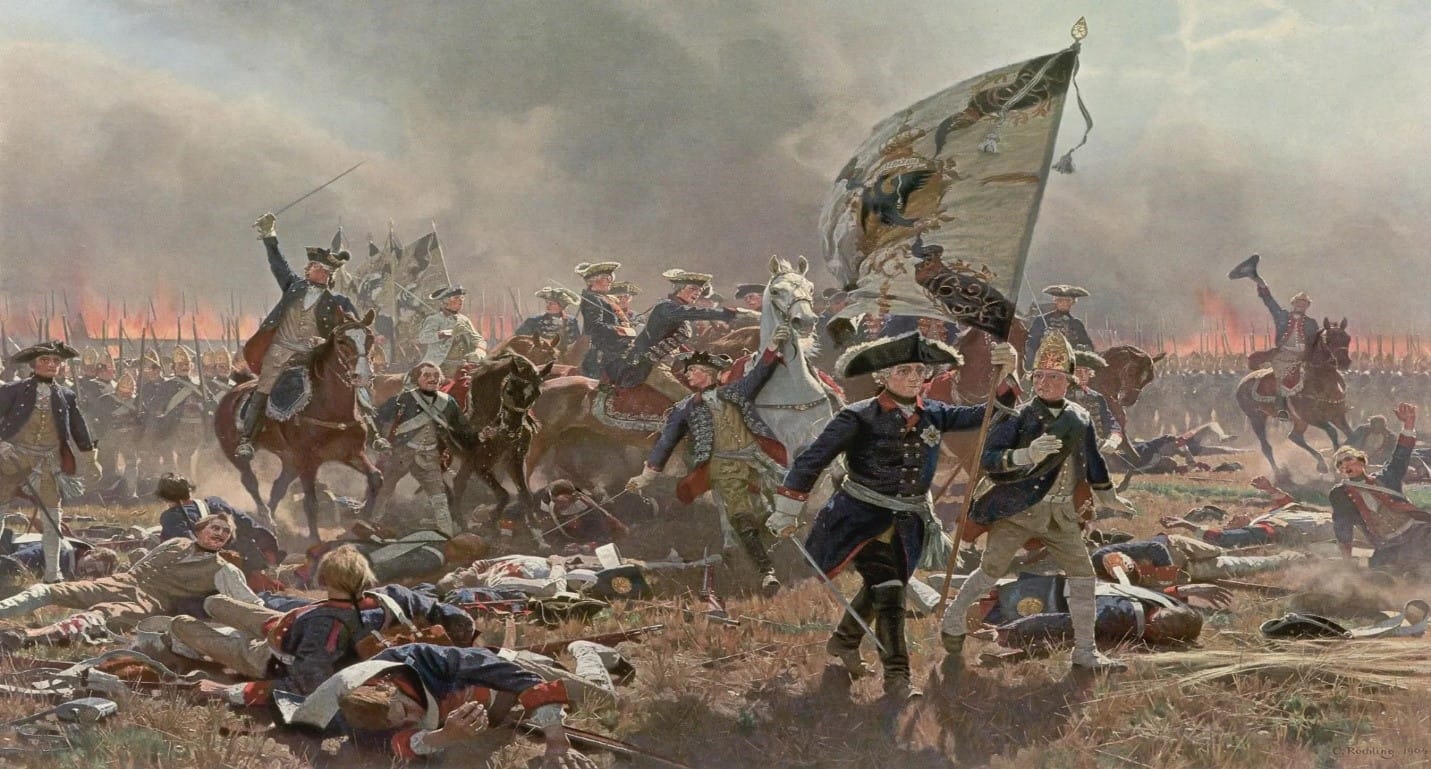
7. French Legacy and Influence:
The French Legacy and Influence have left an indelible mark on various aspects of global culture, history, politics, language, arts, and philosophy. From the ancient Gauls to modern-day France, this nation has significantly shaped the world we know today.
Language and Diplomacy:
The French language, often called the “language of diplomacy,” has long been used in international affairs, thanks to France’s historical prominence and influence on the global stage. It remains one of the most widely spoken languages worldwide and is an official language in several international organizations.
Art and Architecture:
France’s artistic legacy is evident in its stunning architecture, exemplified by iconic structures like the Eiffel Tower, Notre Dame Cathedral, the Louvre Museum, and the Palace of Versailles. French art movements, such as Impressionism with artists like Claude Monet and Pierre-Auguste Renoir, have shaped the art world and inspired generations of artists.
Philosophy and Enlightenment:
France played a central role in the Enlightenment period, when reason, science, and individual liberties were promoted over traditional authority. Thinkers like René Descartes, Voltaire, Jean-Jacques Rousseau, and Denis Diderot contributed to this intellectual movement, which profoundly impacted Western philosophy and politics.
Political Influence:
France’s influence extended to various regions worldwide as a major colonial power. French colonialism left a lasting impact on the cultures, languages, and political systems of countries in Africa, the Americas, Asia, and the Pacific.
Fashion and Luxury:
France is synonymous with fashion and luxury brands with enormous global influence. Paris, the capital of fashion, hosts prestigious fashion events and houses renowned fashion designers and haute couture brands.
Sporting Impact:
The French have also made significant contributions to the world of sports. From football (soccer) to rugby, cycling to tennis, France has produced exceptional athletes and hosted major sporting events, such as the FIFA World Cup and the Tour de France.
The French Legacy and Influence continue to be felt and appreciated worldwide, reflecting the country’s unique contributions to humanity’s cultural, intellectual, and historical tapestry.
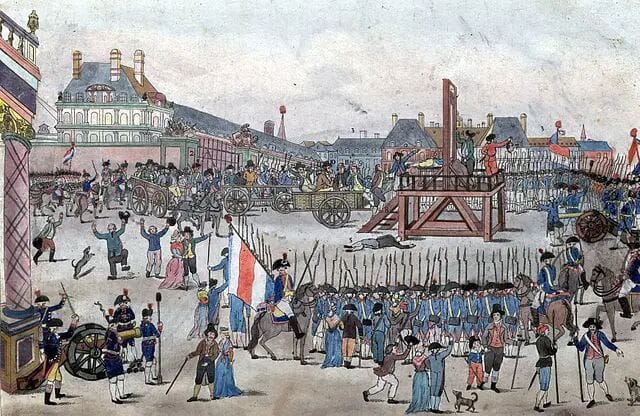
II. Frequently Asked Questions (FAQs):
1. What were the motivations behind the French exploration of North America?
Three main motivations primarily drove the French exploration of North America. First, they sought to find a Northwest Passage to Asia, a direct route for trade and commerce. Second, they aimed to establish profitable fur trading networks with indigenous peoples. Finally, the French sought to expand their colonial empire and compete with other European powers, mainly the British, in the race for territorial control.
2. How did the French exploration of North America impact indigenous peoples?
The French exploration of North America had a significant impact on indigenous peoples. The fur trade brought changes to their traditional economic systems and social structures. Many indigenous tribes formed alliances with the French, leading to the exchange of goods and knowledge. However, the arrival of European diseases and conflicts with rival tribes and European powers resulted in significant disruptions and losses for indigenous communities.
3. How did the French exploration of North America contribute to the cultural heritage of the continent?
The French exploration of North America left a lasting cultural legacy. French settlers brought their language, customs, and traditions to their colonized regions, such as Quebec and Louisiana. French place names are still prevalent, and architectural styles, such as the distinctive French Quarter in New Orleans, continue to be celebrated. The French also influenced the region’s cuisine, legal systems, and artistic expressions, contributing to the diverse cultural heritage of North America.
Conclusion
The French exploration of North America was pivotal in shaping the continent’s early history. From the initial investigations of Jacques Cartier to the establishment of New France by Samuel de Champlain, the French left an indelible mark on the region. Their exploration of the interior, fur trade expansion, and territorial claims helped shape the geopolitical landscape. Despite their eventual loss of territory to the British, the French legacy and influence endure, enriching North America’s cultural fabric.