


Lesson 5 – New Spain
Introduction
The history of Spanish exploration and colonization is rich with tales of adventurous explorers and the establishment of vast territories. One such significant chapter is the era of “New Spain,” a term that refers to the Spanish colonies in the Americas during the 16th to 19th centuries.
This lesson will delve into the fascinating world of Spanish explorers and their exploits in establishing colonies that would shape history.
I. What is “New Spain” ?
“New Spain” was the name given to the vast colonial territory established by the Spanish Empire during the 16th to 19th centuries in the Americas. It encompassed the territories that now make up modern-day Mexico, Central America, parts of the United States (including California, Texas, and the Southwest), and the Caribbean. The colonization began with the arrival of Christopher Columbus in the Americas in 1492, and the subsequent explorations and conquests led to the establishment of this significant Spanish colonial entity. New Spain played a pivotal role in connecting Europe with the resources and cultures of the New World, resulting in significant cultural, economic, and demographic exchanges that continue to shape the history and identity of the Americas today.
II. Exploring the Legacy of New Spain: Spanish Explorers and the Birth of Spanish Colonies
1. Spanish Explorers: Pioneers of the New World
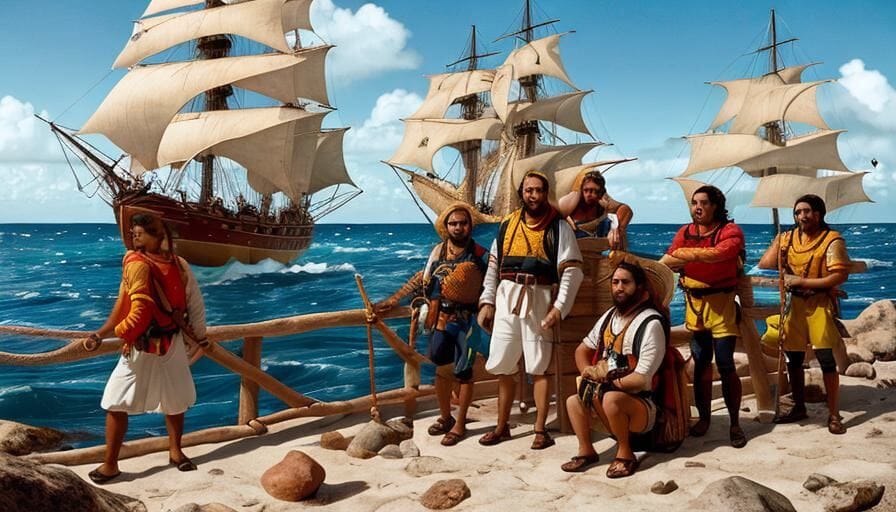
Spanish explorers’ exploration of the New World began in the late 15th century with Christopher Columbus’s legendary voyage in 1492. Columbus’s encounter with the Caribbean islands opened the floodgates for further Spanish expeditions. Following in his footsteps, other explorers such as Hernán Cortés, Francisco Pizarro, and Juan Ponce de León ventured into uncharted territories, driven by the search for wealth, power, and the spread of Christianity.
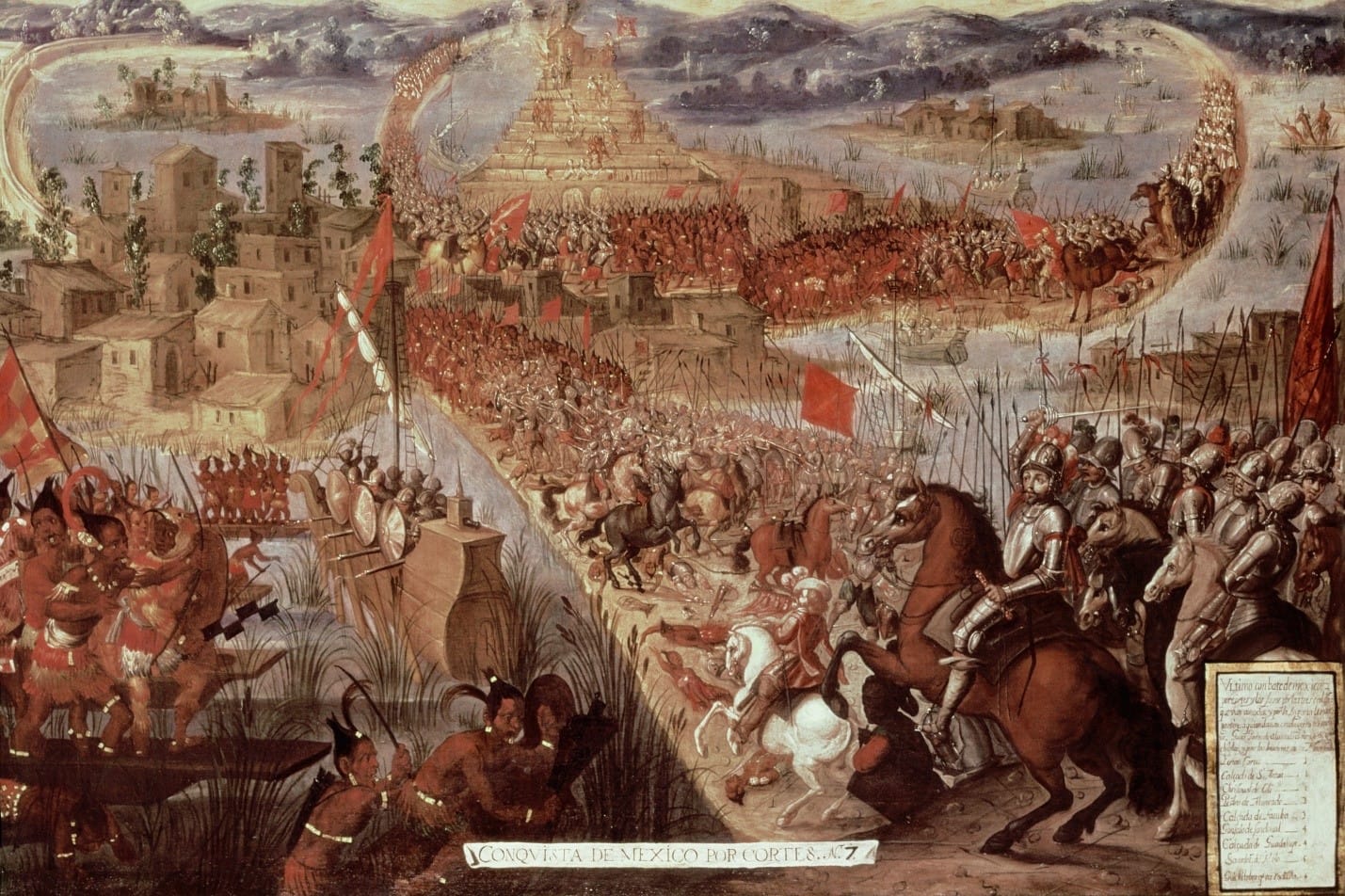
Hernán Cortés, a Spanish conquistador, is renowned for conquering the Aztec Empire. In 1519, Cortés and his troops landed on the shores of Mexico and overthrew the Aztec ruler Montezuma II, establishing the colony of New Spain. The conquest marked a turning point in the history of the Americas and set the stage for further Spanish colonization.
Francisco Pizarro, another Spanish conquistador, embarked on a perilous journey to South America, where he encountered the mighty Inca Empire. Pizarro’s conquest of the Incas in 1533 established the Viceroyalty of Peru, an essential colony of New Spain. The Spanish presence in the region brought profound cultural, social, and economic changes.
2. Spanish Colonies and the Birth of New Spain
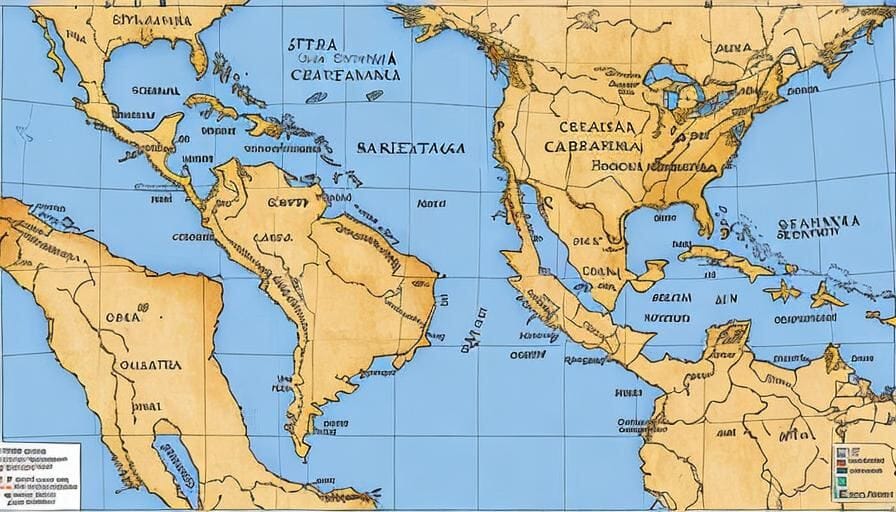
The Spanish colonization of the Americas led to the establishment of numerous colonies under the umbrella of New Spain. These colonies included present-day Mexico, Central America, parts of the Caribbean, and the southwestern region of the United States.
A complex social and political structure characterized the colonies of New Spain. The Spanish Crown established the viceroyalties of New Spain and Peru to govern the vast territories. Viceroys, appointed by the Spanish monarchy, served as representatives of the Crown and wielded significant power.
The colonies were organized into administrative units called audiences, which were responsible for the local governance of their respective regions. The Catholic Church also played a crucial role in the colonies, with missions and religious orders actively involved in evangelization.
3. Spanish Colonies in the New World
As Spanish explorers ventured into new territories, they established colonies that became the foundation of New Spain. These colonies were not only centers of economic exploitation but also became melting pots of cultures and traditions.
Mexico, New Spain’s crown jewel, became the heart of Spanish American influence. The colony flourished, with major cities like Mexico City rising from the ashes of conquered indigenous civilizations. The Spanish introduced new agricultural practices, built impressive colonial architecture, and spread Christianity throughout the region.
Peru, another significant Spanish colony, became a source of immense wealth for the Spanish crown. The silver mines of Potosí in present-day Bolivia were exploited extensively, leading to a massive influx of precious metals into Europe. The Spanish also left their mark on the region by constructing grand cathedrals and colonial architecture.
The Spanish presence extended to other regions as well. Central America, the Caribbean, and parts of the present-day United States, such as Florida, Texas, and California, were all part of the vast territories of New Spain. These colonies brought together diverse indigenous populations and European settlers, resulting in a complex and diverse society.
Building an empire
Building an empire of Spanish colonies in the New World was a pivotal chapter in world history and one of the most significant achievements of the Spanish Crown during the Age of Exploration. The Spanish colonization of the Americas began in the late 15th century. It continued throughout the 16th and 17th centuries, leading to the establishment of vast territories that would eventually become part of the Spanish Empire.
Here’s a closer look at the key aspects and phases of this historic endeavor:
Exploration and Discovery:
The Spanish expansion to the New World was initiated by Christopher Columbus in 1492, who, under the sponsorship of Queen Isabella of Castile and King Ferdinand of Aragon, set out to find a western route to Asia. Instead, he landed in the Caribbean islands, which marked the beginning of the Spanish presence in the Americas.
Conquest and Expansion:
After Columbus’s voyages, other explorers like Hernán Cortés and Francisco Pizarro embarked on expeditions to conquer and explore new territories. Cortés led the expedition that resulted in the fall of the Aztec Empire in present-day Mexico, while Pizarro conquered the Inca Empire in modern-day Peru. These conquests brought immense wealth to Spain and opened the door for further expansion.
Colonial Administration:
The Spanish Crown established a system of colonial administration to govern the newly acquired territories. They appointed Viceroys, who were representatives of the monarchy, to oversee the vast regions of the New World. The encomienda system was also implemented, granting Spanish settlers the right to extract labor from the indigenous population in exchange for protection.
Missionaries and the Spread of Christianity:
Spanish missionaries played a crucial role in the colonization process alongside the conquistadors. Religious orders like the Franciscans, Dominicans, and Jesuits arrived in the New World to convert the native populations to Christianity. They built missions and schools, and their efforts significantly impacted the culture and religion of the indigenous peoples.
Economic Exploitation:
The Spanish colonies were rich in resources, including gold, silver, and other valuable commodities. The extraction of these resources, often through forced labor, fueled Spain’s economy and contributed to its emergence as a dominant world power during this period.
Impact on Indigenous Peoples:
The arrival of the Spanish had devastating consequences for the indigenous populations. Diseases brought by the Europeans, to which the natives had no immunity, caused widespread depopulation. Additionally, the encomienda system and harsh treatment led to the exploitation and oppression of indigenous communities.
Cultural and Social Exchange:
Despite the negative aspects of colonization, there was also a significant cultural and social exchange between the Spanish and the indigenous peoples. The blending of European, Indigenous, and African cultures gave rise to a unique and diverse heritage that still influences the Americas today.
Decline and End of Spanish Colonization:
Other European powers challenged Spain’s dominance in the New World over time. England, France, and the Netherlands established colonies, leading to conflicts and wars over territory and resources. The decline of Spain’s influence in the Americas became more apparent in the 18th and 19th centuries as these other colonial powers gained strength.
4. Legacy and Impact
The legacy of New Spain is deeply intertwined with the history of the Americas. Spanish colonization brought about far-reaching consequences, shaping the cultural, linguistic, and ethnic landscape of the region.
One of the most significant impacts of New Spain was the blending of Spanish and indigenous cultures. This fusion, known as mestizaje, gave rise to a new mestizo identity encompassing European and indigenous heritage. The Spanish language, religion, and traditions influence remain pervasive in many countries formerly under Spanish rule.
New Spain also indelibly impacted art, architecture, and literature. Spanish colonial architecture, with its distinctive baroque and neoclassical styles, can still be observed in cities across Latin America. Renowned literary works, such as Miguel de Cervantes’s “Don Quixote,” emerged during this period and contributed to the development of Spanish literature.
III. Frequently Asked Questions (FAQs):
1. What were the main motivations behind Spanish exploration and colonization in the Americas?
The main motivations behind Spanish exploration and colonization in the Americas were the pursuit of wealth, power and the spread of Christianity. Spanish explorers sought valuable resources such as gold, silver, and precious gemstones. They also aimed to establish trade routes to Asia and expand the Spanish Empire. Additionally, religious zeal and the desire to convert indigenous populations to Catholicism significantly drove Spanish colonization efforts.
2. What were the political structures in place in the Spanish colonies of New Spain?
The Spanish colonies of New Spain were organized under the authority of the Spanish Crown. The territories were governed by rulers appointed by the Spanish monarchy and served as representatives of the Crown. The viceroyalties of New Spain and Peru oversaw the governance of the colonies. Additionally, the colonies were divided into audiences and administrative units responsible for local government. The Catholic Church also played a significant role, with missions and religious orders involved in evangelizing and influencing social and cultural matters.
3. How does the legacy of New Spain continue to influence the Americas today?
The legacy of New Spain continues to influence the Americas in various ways. Spanish is widely spoken throughout the region, and Spanish colonial architecture can be observed in cities across Latin America. The Catholic Church remains a significant religious institution, and religious festivals and traditions with Spanish roots are celebrated in many countries. Additionally, cultural and artistic expressions, such as literature, music, and cuisine, bear the influence of blending Spanish and indigenous cultures. The historical impact of New Spain provides a rich backdrop for understanding the diverse and complex societies that exist in the Americas today.
Conclusion
The era of Spanish exploration and the establishment of Spanish colonies in the Americas laid the foundation for “New Spain.” The intrepid Spanish explorers, driven by the desire for power and wealth, made significant contributions to shaping the New World. The legacy of New Spain lives on in the cultural, linguistic, and architectural heritage of the Americas. Understanding the history of New Spain helps us appreciate the complexities of our shared past and the enduring influences that continue to shape our present.