


Lesson 1 – First Encounter of Native Americans
Introduction
Welcome to this enlightening lesson on discovering Native Americans. Native American history is a profound tapestry woven over thousands of years, stretching across the vast expanse of North America. The stories of these indigenous peoples, their rich cultures, and the legacy they left behind are a vital part of the broader narrative of human civilization. In this lesson, we will delve into the fascinating aspects of Native American heritage, highlighting their historical significance, cultural diversity, and enduring impact on modern society.
I. Discovering Native Americans
1. The First Americans: Pre-Clovis Theory
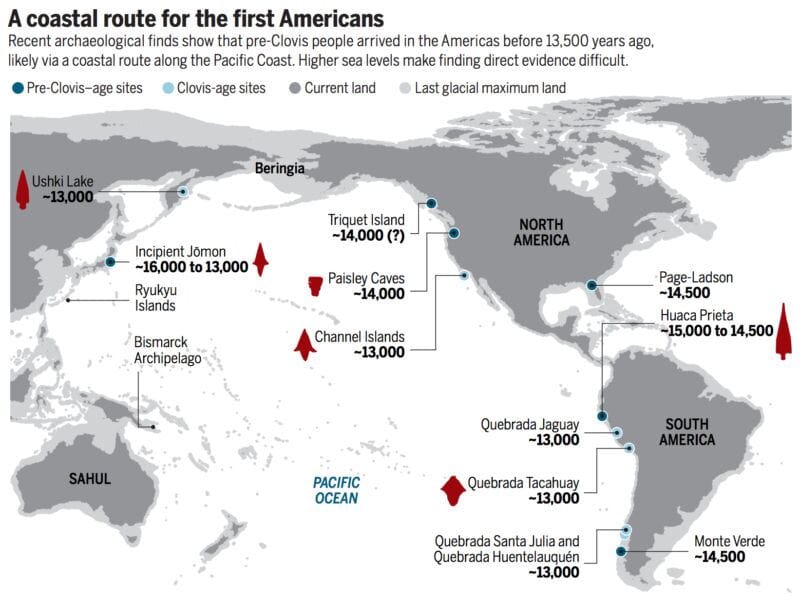
The peopling of the Americas is a fascinating and complex topic in archaeology and anthropology. For many years, the dominant theory for the arrival of the first humans in the Americas was the Clovis-first model. According to this theory, the Clovis culture, characterized by distinctive fluted stone projectile points, represented the earliest human inhabitants of the Americas, dating back to around 13,500 to 13,000 years ago. However, as archaeological evidence expanded, a new and groundbreaking idea emerged: the Pre-Clovis theory.
The Pre-Clovis theory challenges the long-standing Clovis-first paradigm by suggesting that humans arrived in the Americas before the Clovis culture, pushing back the timeline for human settlement on the continent. It proposes that small groups of early humans migrated to the Americas through different routes, possibly via land bridges and coastal routes, much earlier than previously believed.
Key Evidence for the Pre-Clovis Theory:
Pre-Clovis Archaeological Sites:
Archaeological sites discovered across North and South America have yielded artifacts that predate the Clovis culture. These artifacts show different styles and technologies that do not fit within the Clovis tradition, indicating the presence of earlier cultures.
Meadowcroft Rockshelter:
One of the most well-known and studied pre-Clovis sites is Meadowcroft Rockshelter in Pennsylvania, USA. Excavations at this site have revealed evidence of human occupation dating back over 16,000 years, making it one of the oldest known sites in the Americas.
Monte Verde:
Located in southern Chile, Monte Verde is another significant pre-Clovis site that has provided compelling evidence of human habitation around 14,500 years ago. The site contains well-preserved structures, hearths, and a diverse range of artifacts, providing insight into the lifeways of these ancient populations.
Paisley Caves:
Situated in Oregon, USA, the Paisley Caves have yielded archaeological evidence suggesting human presence dating back over 14,000 years ago, offering further support for the Pre-Clovis theory.
Genetic Studies:
Advances in genetic research have also contributed to the Pre-Clovis theory. Studies of modern and ancient human DNA have provided clues about the people of the Americas and support the idea of multiple migration events from different populations at different times.
Environmental Context:
Analysis of climate and environmental data from various periods indicates that there were opportunities for human migration and habitation in the Americas earlier than previously believed. Changes in sea levels, ice sheet dynamics, and climate conditions might have created pathways for ancient humans to move into the continent.
Challenges and Debates:
The Pre-Clovis theory, while gaining support among many researchers, is not without its challenges and debates. The scarcity of well-preserved archaeological sites from such early periods makes it difficult to draw definitive conclusions about the first human migrations into the Americas. The lack of a widely accepted pre-Clovis culture also makes it harder to construct a unified narrative.
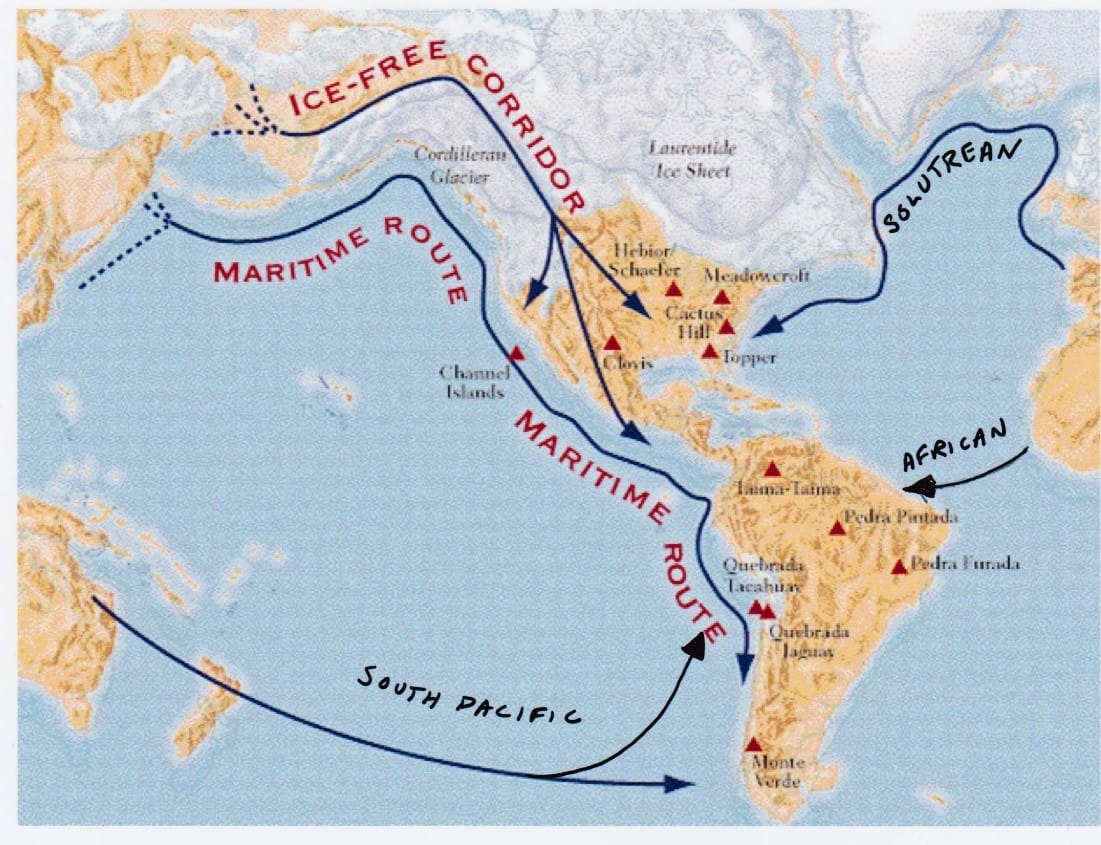
Furthermore, these early migrations’ precise routes and timings remain hotly debated. Some researchers propose that coastal routes, possibly using boats or watercraft, were more plausible for early human dispersal, while others suggest inland routes through ice-free corridors.
2. Prehistoric Migration: Bering Land Bridge
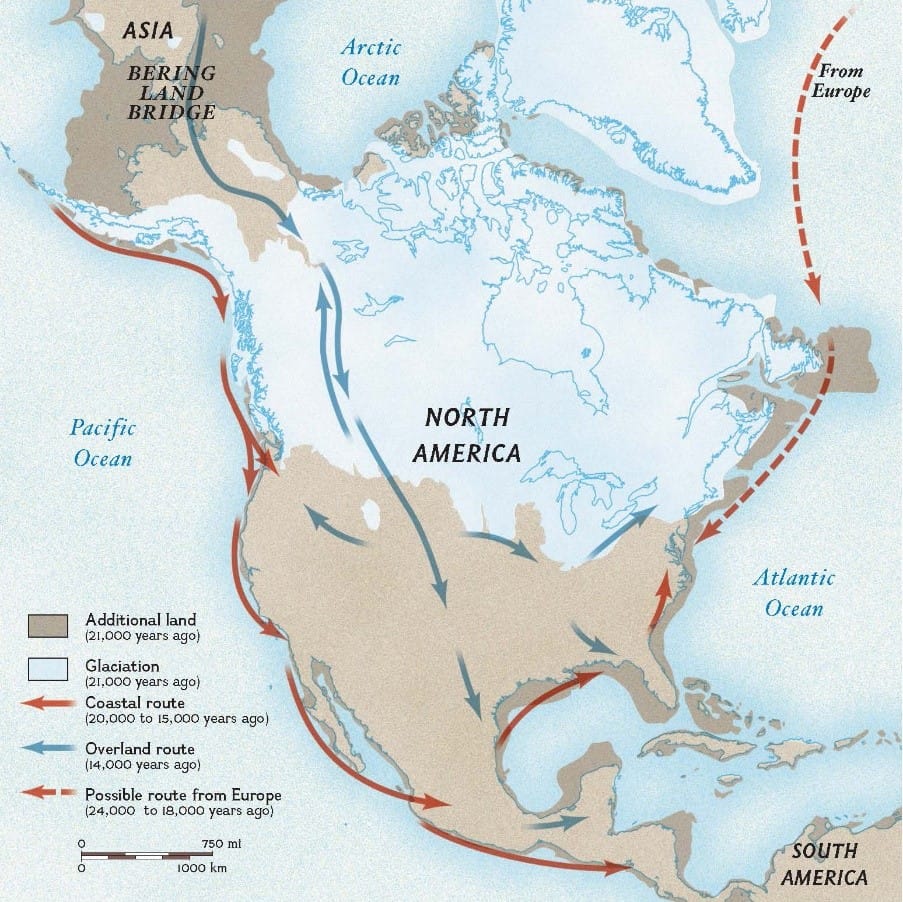
The Bering Land Bridge is one of human prehistory’s most significant geographical features. It was a vast expanse of land that connected present-day northeastern Asia (Siberia) and northwestern North America (Alaska) during periods of glaciation in the Pleistocene epoch. This land bridge emerged due to the lower sea levels caused by the accumulation of large volumes of ice in the polar regions, particularly during the Last Glacial Maximum, which occurred around 26,500 to 19,000 years ago.
The formation of the Bering Land Bridge profoundly impacted the migration of early human populations and the colonization of the Americas. Archaeological and genetic evidence suggest that this land bridge was a corridor for human and animal migrations from Asia to the Americas. It provided a relatively accessible route for early humans to move across continents, as the distance between Siberia and Alaska at the narrowest point of the land bridge was only about 80 kilometers (50 miles).
The first human populations to cross the Bering Land Bridge are believed to have been early hunter-gatherer groups who ventured into the unexplored lands in search of new resources and opportunities. These ancient migrants, often called the “Paleo-Indians” or “First Americans,” spread across the Americas over thousands of years, eventually reaching South America. They adapted to various environments, climates, and ecological niches, developing diverse cultures and societies throughout the continent.
This migration’s exact timing and route are still subjects of ongoing research and debate among archaeologists, anthropologists, and geneticists. One popular theory suggests that the initial crossing may have occurred around 20,000 to 25,000 years ago. Still, other evidence suggests that sporadic human presence in the Americas might have begun earlier.
Notably, the Bering Land Bridge was not a permanent feature. As the global climate changed and the ice sheets retreated, sea levels rose, submerging the land bridge beneath the Bering Sea. This process began around 18,000 to 11,000 years ago, effectively cutting off any further migration across this route.
Besides humans, the Bering Land Bridge facilitated the migration of various animal species between the two continents. Mammoths, giant sloths, bison, and other megafauna are believed to have crossed this land bridge and spread throughout the Americas.
The significance of the Bering Land Bridge in human prehistory cannot be overstated. It represents a crucial moment in the colonization of the Americas and has shaped the genetic, cultural, and demographic history of the indigenous populations of the Americas. Today, researchers continue to investigate this migration event to better understand the ancient human past and how our ancestors adapted and dispersed across the globe.
3. Coastal Migration: Kelp Highway Hypothesis
The Coastal Migration: Kelp Highway Hypothesis is an intriguing theory proposed by archaeologists and anthropologists to explain the peopling of the Americas during the late Pleistocene and early Holocene periods. The hypothesis suggests that early human populations migrated along the coastlines of the Americas, utilizing a maritime route, where kelp forests played a crucial role in supporting their travel and settlement.
During the last Ice Age, which ended approximately 11,700 years ago, sea levels were significantly lower due to a larger portion of Earth’s water being locked up in massive glaciers; this resulted in more exposed land areas, especially along the coastlines. The Coastal Migration theory posits that as the ice sheets receded and sea levels rose, human populations followed the retreating coastlines and exploited the abundant resources in the kelp forests that grew in the shallow waters.
Kelp forests are underwater ecosystems dominated by large, brown seaweeds known as kelp. These forests provide a rich and diverse environment, supporting various marine life, including fish, shellfish, sea mammals, and seabirds. For early human migrants, kelp forests would have offered an abundant and easily accessible food source, making them ideal locations for establishing settlements.
The Coastal Migration: The Kelp Highway Hypothesis suggests that these early coastal migrants gradually moved along the Pacific coast of North and South America, taking advantage of the kelp-rich environments as they traveled. Following the coastline, they would have encountered a continuous supply of food and resources, facilitating their journey into new territories.
One of the key pieces of evidence supporting the Kelp Highway Hypothesis comes from archaeological sites along the Pacific coastline, which show a consistent pattern of human occupation dating back to the late Pleistocene. These sites have yielded various artifacts, such as stone tools and shell middens, indicating human habitation and exploitation of marine resources.
Furthermore, the genetic evidence of Native American populations also aligns with the Coastal Migration theory. Studies have revealed genetic links between modern indigenous populations in the Americas and ancient populations in northeastern Asia, suggesting that the migration occurred from Siberia to Alaska and then southward along the Pacific coast.
It’s important to note that the Kelp Highway Hypothesis does not necessarily negate the possibility of other migration routes, such as the inland ice-free corridor proposed in different theories. Multiple migration routes could have been used simultaneously or at different times during the peopling of the Americas.
Like many theories in archaeology, the Coastal Migration: Kelp Highway Hypothesis remains an area of active research, and ongoing discoveries and advancements in technology, such as improved dating methods and genetic analysis, continue to shed light on the complex and fascinating story of human migration and settlement in the Americas.
4. Early American Civilizations: Olmec, Maya, and Aztec
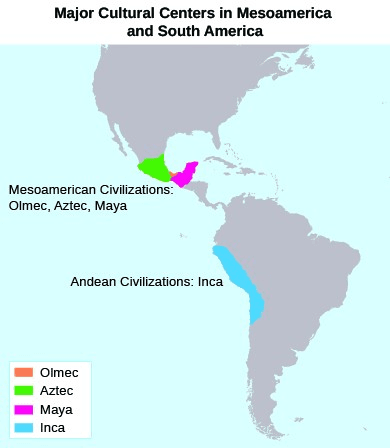
Early American civilizations, including the Olmec, Maya, and Aztecs, were significant cultural and historical developments that flourished in Mesoamerica. This region comprises present-day Mexico and parts of Central America before the arrival of Europeans in the late 15th century. Each civilization impacted the region’s history, art, architecture, religion, and societal structure. Let’s delve deeper into each of these civilizations:
Olmec Civilization:
The Olmec civilization is considered one of the earliest complex societies in Mesoamerica, dating from around 1500 BCE to 400 BCE. They are best known for their monumental stone heads, large-scale sculptures, and intricate jade figurines. The Olmecs inhabited the coastal plains of the states of Veracruz and Tabasco in Mexico.
Agriculture was a fundamental aspect of Olmec life, and they cultivated crops like maize, beans, squash, and chili peppers. Their society was organized into city-states, and they likely had a ruling class that controlled religious ceremonies and trade. The Olmecs also engaged in long-distance trade, connecting various regions of Mesoamerica.
Their religious beliefs are reflected in their art and architecture, which often depicted powerful deities and were associated with ceremonial centers. The Olmecs profoundly influenced later Mesoamerican civilizations, such as the Maya and Aztecs, who adopted many of their religious and artistic practices.
Maya Civilization:
The Maya civilization is renowned for its advanced achievements in astronomy, mathematics, hieroglyphic writing, and impressive architecture. Flourishing from approximately 2000 BCE to 1500 CE, the Maya civilization covered a vast area, including present-day Mexico, Guatemala, Belize, Honduras, and El Salvador.
The Maya city-states were organized into a complex political structure, with each city governed by a divine king who was seen as a link between the mortal and spiritual realms. The cities were centers of culture, trade, and religious activities. Chichen Itza, Tikal, Palenque, and Copán are famous Maya cities.
The Maya developed an intricate writing system using hieroglyphs, and their astronomical knowledge allowed them to create precise calendars. Art was a crucial aspect of their culture, and they produced elaborate ceramics, sculptures, and murals, often depicting their deities and religious rituals.
Despite their achievements, the Maya civilization endured periods of decline and reemergence. The reasons for the eventual decline of many Maya city-states around the 9th century are still debated among scholars, and factors such as climate change, warfare, and political instability likely played a role.
Aztec Civilization:
The Aztec civilization, also known as the Mexica, was the last of the major Mesoamerican civilizations and emerged in the 14th century. Their capital city, Tenochtitlan, was founded in 1325 on an island in Lake Texcoco, present-day Mexico City.
The Aztecs were skilled warriors and built a powerful empire by conquering neighboring city-states and demanding tribute from the conquered peoples. They had a well-organized society with a strict social hierarchy, including nobles, priests, commoners, and slaves. Their religion was polytheistic, and they practiced human sacrifices as offerings to their gods.
Tenochtitlan was a marvel of engineering, with causeways, canals, and impressive temples, including the Templo Mayor, a central religious and political structure. The Aztecs also had a sophisticated agricultural system, using artificial islands called chinampas to grow crops.
In 1519, the Spanish conquistador Hernán Cortés arrived in Mesoamerica, and after a series of battles, the Aztec Empire fell to Spanish rule in 1521. The Spanish colonization led to the decline of Mesoamerican civilizations, including the Aztecs.
5. The Mysterious Anasazi: Cliff Dwellers of the Southwest
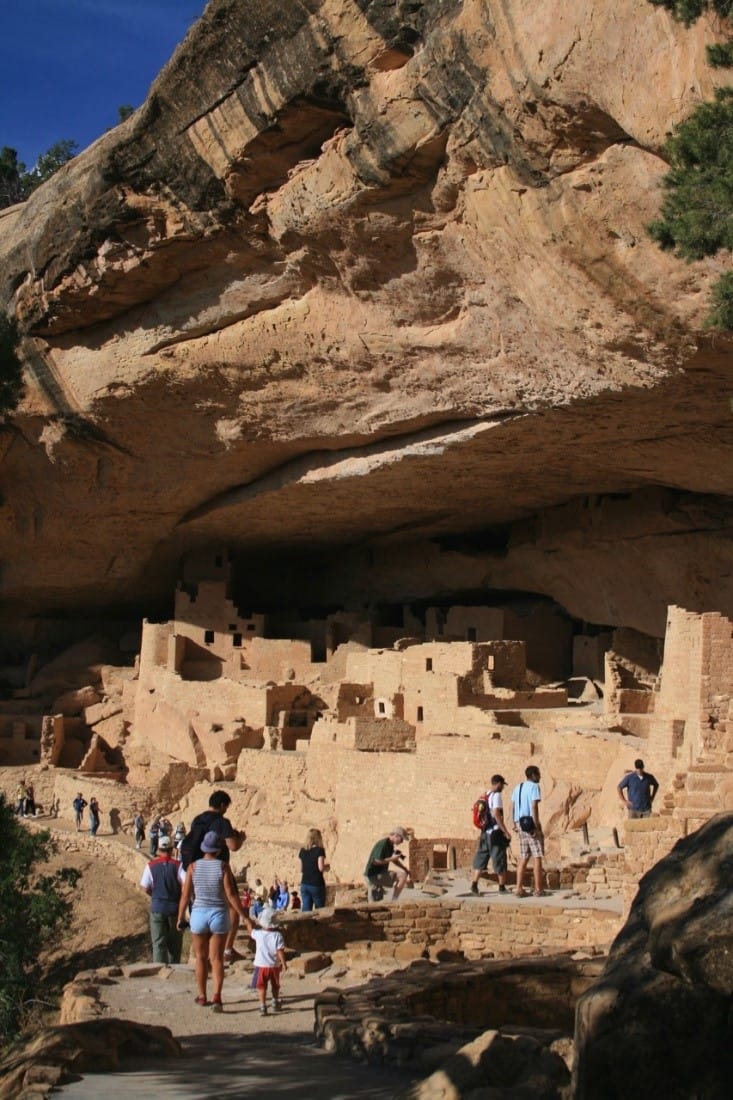
The Anasazi, also known as the Ancient Pueblo Peoples, was a prehistoric Native American civilization that flourished in the southwestern region of North America. Their name, “Anasazi,” is a Navajo word that translates to “ancient ones” or “ancient enemies,” reflecting the intrigue and mystery surrounding this enigmatic culture. They are most renowned for their elaborate cliff dwellings, which have captivated archaeologists and historians for centuries.
Historical Context:
The Anasazi civilization emerged around 1 AD and thrived until approximately 1300 AD, though some groups continued to inhabit the region until the arrival of Spanish explorers in the 16th century. They occupied the present-day Four Corners region, encompassing parts of Arizona, Colorado, New Mexico, and Utah. The landscape varied from desert canyons to high plateaus, and the Anasazi adapted their lifestyle to these diverse environments.
Architecture and Cliff Dwellings:
One of the most remarkable aspects of the Anasazi culture is their unique architecture, especially the cliff dwellings. These cliff dwellings were constructed within natural alcoves or caves in the cliffs and provided shelter, safety, and a sense of community. They often chose easily defensible locations and offered protection from the elements.
The cliff dwellings were constructed using sandstone blocks, adobe, and wooden beams. Some of the most famous cliff dwellings include Mesa Verde in Colorado, Chaco Canyon in New Mexico, and Canyon de Chelly in Arizona. These architectural wonders showcase the Anasazi’s engineering skills and the level of sophistication of their society.
Social Organization:
The Anasazi lived in multi-story stone and adobe pueblos, both on the mesa tops and within the cliffs. They had a complex social structure with strong kinship ties. Families lived together in households, and several households formed a clan, a crucial social unit for the Anasazi. Clans often shared common resources and rituals and likely had distinct roles within the community.
Agriculture and Subsistence:
The Anasazi were skilled farmers who cultivated crops such as maize (corn), beans, squash, and cotton. Despite the arid environment, they developed sophisticated irrigation systems to water their fields. Agriculture played a significant role in supporting their population growth and establishing settled communities.
Trade and Exchange:
The Anasazi engaged in extensive trade networks with other Native American groups across the region. They exchanged goods like pottery, turquoise, seashells, and exotic materials. These trade networks facilitated cultural exchange and played a role in the spread of ideas and innovations.
Decline and Disappearance:
The decline of the Anasazi civilization remains debated among historians and archaeologists. Several theories attempt to explain their disappearance, including droughts, environmental degradation, resource depletion, and conflict. The most widely accepted theory suggests that a combination of factors, including prolonged droughts and resource stress, led to the gradual abandonment of their cliff dwellings and migration to other areas.
6. The Great Haudenosaunee Confederacy
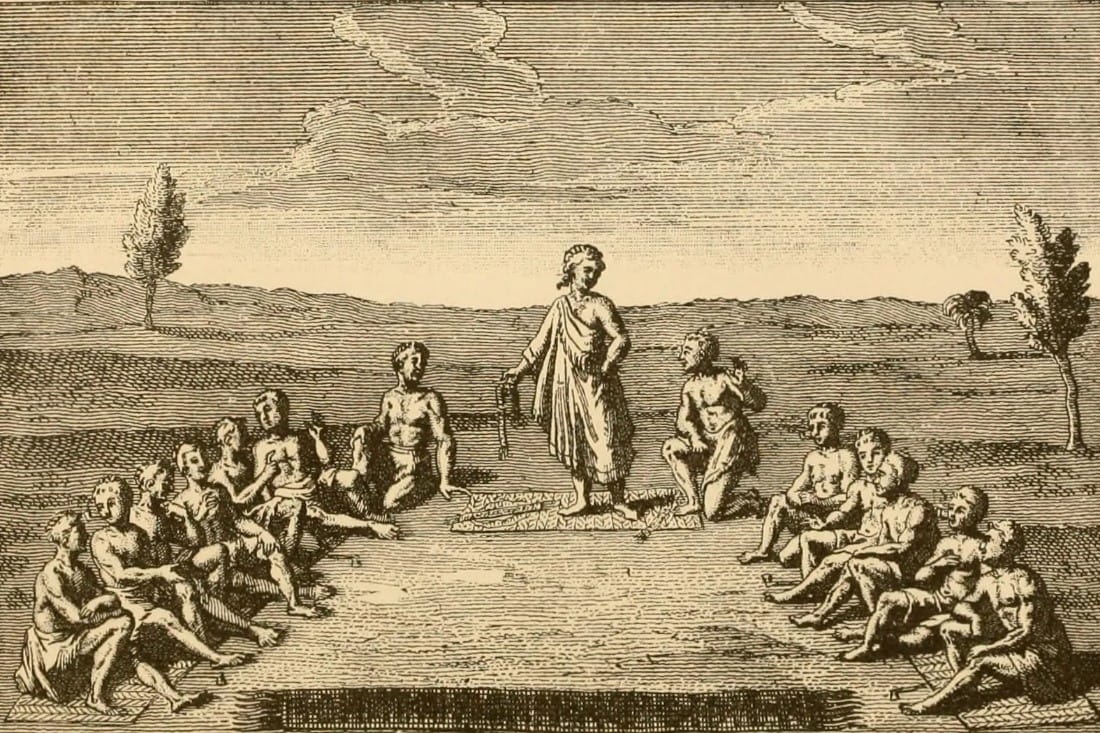
The Great Haudenosaunee Confederacy, also known as the Iroquois Confederacy, is a historically significant and powerful alliance of Indigenous peoples in North America. “Haudenosaunee” means “people of the longhouse,” it refers to their distinctive dwelling structures made of wood and bark, symbolizing their unity and common identity.
The Haudenosaunee Confederacy comprises six member nations with unique cultures, languages, and territories. These nations are:
Mohawk (Kanienʼkehá꞉ka):
Located in what is now known as upstate New York and parts of Canada.
Oneida (Onʼyote꞉a·ká):
Also situated in upstate New York.
Onondaga (Onʼöñda꞉gé):
Centered in central New York and home to the Grand Council of the Haudenosaunee.
Cayuga (Guyohkohnyo or Gayogohó:no):
Also based in upstate New York.
Seneca (Onödowáʼga꞉):
Located in western New York and parts of Canada.
Tuscarora (Ska-Ruh-Reh):
Originally from the Southeastern United States, he joined the Confederacy in the 18th century.
The exact origins of the Haudenosaunee Confederacy are shrouded in history and mythology, but it is generally believed to have been established before European contact in the 16th century. Oral tradition plays a crucial role in transmitting their history, values, and cultural practices from one generation to the next.
One of the essential elements of the Haudenosaunee Confederacy is the Great Law of Peace, often referred to as the Gayanashagowa. The Great Law of Peace is a constitution that outlines the framework for governance and sets principles for peaceful coexistence among member nations. It was formulated to resolve conflicts and promote unity among the nations. The constitution is known for its emphasis on democratic decision-making, gender equality, and the importance of environmental stewardship.
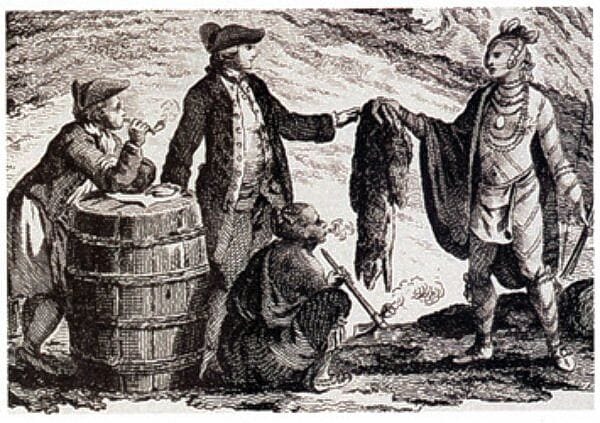
Long before the United States’ formation, the Haudenosaunee Confederacy became a highly influential and formidable regional political entity. They controlled vast territories and played a crucial role in the fur trade with European settlers. The Confederacy’s political structure, emphasizing participatory decision-making and the inclusion of diverse voices, differed greatly from the hierarchical systems Europeans were familiar with.
In the colonial era, the Haudenosaunee interacted with various European powers, including the Dutch, French, and British. They formed treaties and alliances with these colonial powers. Still, they also faced significant challenges as European settlers expanded westward, leading to territorial conflicts and a decline in their population due to diseases introduced by the newcomers.
Despite these challenges, the Haudenosaunee Confederacy maintained its cultural identity and governance system. Today, the member nations continue to exist, preserving their languages, customs, and traditional practices. Additionally, the Confederacy remains involved in modern-day Indigenous rights and environmental issues.
The Haudenosaunee Confederacy’s contributions to the world extend beyond politics and governance. Their rich cultural heritage includes art, music, dance, and storytelling, which continue to be celebrated and shared with others.
It is important to note that the history of the Haudenosaunee Confederacy is ongoing, and they continue to play an essential role in shaping North America’s cultural, social, and political landscape. Their resilience and persistence serve as a testament to the enduring strength of Indigenous communities in the face of adversity.
7. The Impact of European Colonization
“The Impact of European Colonization” refers to the historical process by which European powers, such as Britain, France, Spain, Portugal, and others, established and expanded their colonies in various world regions from the 15th to the 20th century. This colonization profoundly affected both the colonizing nations and the indigenous populations of the colonized regions. Here are some key aspects of the impact of European colonization:
Cultural and Social Impact:
European colonization led to the diffusion of European languages, customs, and religions across continents. Indigenous cultures often faced suppression or assimilation, leading to the loss of traditional practices and knowledge. In some cases, blending European and indigenous cultures gave rise to new cultural identities.
Economic Exploitation:
European colonial powers sought to extract wealth and resources from the colonies, leading to the exploitation of native populations and the environment. Cash crops, minerals, and other valuable resources were often forcibly extracted and exported to Europe, contributing to the economic growth of the colonizing nations.
Slavery and Forced Labor:
Colonizing the Americas and parts of Africa involved the transatlantic slave trade, which brought millions of African slaves to work on plantations and in mines. Slavery had a lasting impact on many regions’ social fabric and demographics.
Political Dominance and Governance:
European colonizers established their political systems in the colonies, often imposing direct control through colonial administrations. Indigenous political systems were frequently undermined or replaced, and local rulers were co-opted to serve the interests of the colonial powers.
Technological and Scientific Exchange:
While colonization brought immense suffering, it also facilitated the exchange of technologies and scientific knowledge between the colonizers and the colonized. This exchange, although asymmetric, contributed to global advancements.
Border and Territorial Disputes:
European colonization often led to the arbitrary drawing of borders, disregarding the pre-existing tribal, ethnic, and cultural divisions. Many contemporary conflicts and territorial disputes have their roots in these colonial legacies.
Impact on Health and Disease:
European colonization also brought diseases to which indigenous populations had little immunity. These diseases, such as smallpox, measles, and influenza, caused devastating epidemics and significant population declines.
Nationalism and Independence Movements:
The experience of colonization fueled nationalist sentiments in many colonized regions, leading to independence movements and the eventual downfall of colonial empires in the 20th century.
Education and Language:
European colonizers introduced their educational systems and languages, which, while contributing to modernization in some regions, also resulted in the marginalization of native languages and cultures.
Long-Term Economic Disparities:
The economic legacy of colonization can still be seen today in the significant disparities between former colonies and colonizing nations. Many countries that were once colonies continue to struggle with poverty and underdevelopment.
It is essential to recognize that the impact of European colonization was not uniform across different regions or even within the same region. The consequences of colonization continue to shape the world in complex and multifaceted ways, influencing politics, economics, culture, and social dynamics. Acknowledging this historical context is crucial for understanding contemporary global issues and striving for a more equitable and inclusive world.
Race and Identity
Race has been a crucial aspect of Native American history, as it has been marred by centuries of colonization, oppression, and forced assimilation. From the moment European settlers arrived, the identity and autonomy of Native Americans faced a relentless assault. Tragically, the indigenous peoples endured forced displacement, disease, and cultural erasure at the hands of colonizers.
The notion of race was primarily perpetuated by European settlers who imposed racial classifications onto Native Americans, often simplifying and homogenizing their identities. However, this approach fails to acknowledge the intricate web of identities that indigenous communities embrace. Many Native Americans identify with their specific tribes or nations first, reflecting their diverse cultural practices and languages that differ from one group to another.
Language as a Cultural Anchor
Language stands as a cornerstone of Native American culture. Each tribe has its distinct language, serving as a vessel for preserving oral traditions, spiritual beliefs, historical accounts, and social customs. For instance, the Navajo language is critically endangered. Yet, it remains a symbol of Navajo pride and an essential medium for passing traditional knowledge to the younger generation.
Sadly, many Native American languages are facing extinction. The cultural erosion brought about by historical oppression and the allure of modernity has led to the gradual decline of indigenous languages. Linguists and indigenous activists are working tirelessly to document and revitalize these languages, recognizing their significance in preserving the essence of Native American identity.
Cultural Resilience and Revival
Despite the adversities faced over the centuries, Native American communities have shown remarkable resilience. They have kept their traditions alive through ongoing efforts to reclaim their cultural heritage and assert their identities. Various cultural events, powwows, and language revitalization programs have played a crucial role in restoring pride and unity within indigenous communities.
Inclusivity and Allyship
Discovering Native Americans is not just about exploring the past but also acknowledging the present and supporting their journey toward a better future. Individuals, institutions, and governments need to respect indigenous sovereignty, promote cultural inclusivity, and take part in preserving and revitalizing their languages.
As allies, it is our responsibility to educate ourselves about the true history and struggles of Native Americans, standing in solidarity with them to address issues such as land rights, healthcare disparities, and representation in various fields. Together, we can work towards dismantling the legacies of colonization and creating a more equitable society that values and celebrates the rich diversity of Native American cultures.
II. Frequently Asked Questions (FAQs)
1. Were the Clovis people really the first to inhabit the Americas?
While the Clovis culture was long considered the first human presence in the Americas, recent archaeological findings have challenged this theory. Pre-Clovis sites, such as Monte Verde in Chile and the Meadowcroft Rockshelter in Pennsylvania, have provided evidence of human occupation dating back thousands of years before the Clovis era; this suggests that there were earlier migrations of people to the Americas.
2. How did early humans reach the Americas from Asia?
The most widely accepted theory is the Bering Land Bridge hypothesis. During the last Ice Age, sea levels lowered, creating a land bridge between northeastern Asia (present-day Siberia) and Alaska. Early humans are believed to have migrated across this land bridge, eventually populating the Americas. However, the coastal migration theory suggests that some early populations might have used watercraft to travel along the Pacific coast, bypassing the ice-covered land route.
3. What were the significant achievements of the Olmec, Maya, and Aztec civilizations?
The Olmec, Maya, and Aztec civilizations were among Mesoamerica’s most influential and advanced societies. The Olmecs are known for their colossal stone heads and sophisticated artistic expressions. The Maya excelled in architecture, mathematics, astronomy, and hieroglyphic writing. The Aztecs were skilled engineers and builders, creating grand cities and an impressive system of causeways and canals. They also developed a complex social and religious structure.
4. How did the environment influence the lifestyles of the Anasazi cliff dwellers?
The Anasazi people, also known as the Ancestral Puebloans, lived in the arid regions of the American Southwest. The rugged terrain and scarcity of water resources encouraged them to construct elaborate cliff dwellings to protect and adapt to their environment. These cliff dwellings offered natural defenses against potential threats and allowed the Anasazi to efficiently utilize the limited available resources.
5. What efforts are being made to preserve Native American culture?
There are ongoing efforts to preserve Native American culture and heritage. These include language revitalization programs, cultural centers, museums, and collaborations with tribal communities to ensure the continuity of their traditions and knowledge.
6. How can I support Native American communities today?
Supporting Native American communities involves learning about and acknowledging their history and contemporary challenges. You can also support them by purchasing authentic Native American art or crafts directly from tribal artisans or donating to reputable organizations working with Native American communities.
7. What can we learn from Native American spirituality?
Native American spirituality is deeply connected to nature and the land. It teaches us the importance of living in harmony with the environment and respecting the interconnectedness of all living beings.
8. How can we challenge stereotypes and misconceptions about Native Americans?
Challenging stereotypes and misconceptions involves educating others about the diverse cultures and histories of Native Americans. Promote accurate representations in media, literature, and popular culture that honor the complexity and depth of Native American heritage.
Conclusion
The story of the early people in the Americas is a tale of resilience, diversity, and cultural complexity. From the ancient migrations across the Bering Land Bridge to the flourishing civilizations of Mesoamerica and the diverse cultures that populated North America, the history of Native Americans deserves recognition and appreciation. By understanding and acknowledging this rich heritage, we can move towards a more inclusive and harmonious future that embraces the remarkable contributions of Native American cultures to the mosaic of human history.