


Lesson 11 – Gap Analysis for Software Applications
Introduction
Gap analysis is a strategic tool used in the realm of software applications to assess the variance between current operations and desired goals. This process involves identifying gaps in performance, functionality, or efficiency, enabling organizations to make informed decisions for improvement. Here, we delve into the methods employed and the overarching purpose of conducting gap analysis for software applications.
I. What Exactly is A Gap Analysis?
This lesson teaches you the fundamentals of developing a Gap Analysis Matrix. A business analytics matrix for consultants and architects, the Gap Analysis Matrix. It is a visual map having an x-axis and y-axis, as well as cells, that is used to record, measure, or depict the distance (distance) between two conditions in an industry. For example, the gap between a commercial department’s existing and future internet sales capability. This graphic is ideal for analyzing the magnitude of gaps in a business.
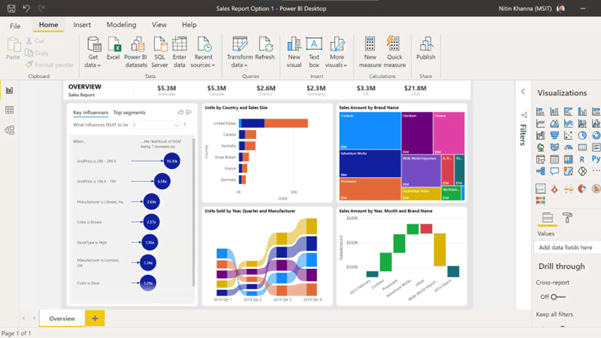
This is an example Gap Analysis Matrix in the Viewer.
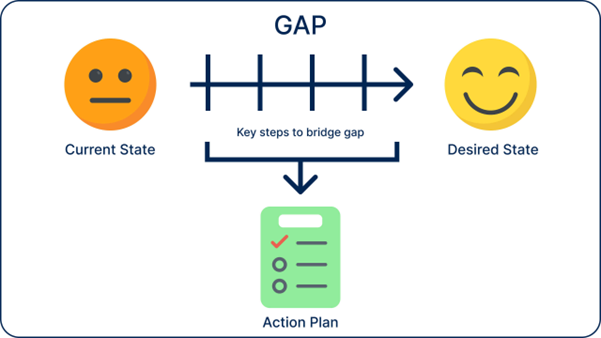
- A gap analysis entails looking at three major elements
- The current state, also known as "performance"
- The ideal circumstance, or "potential"
What must be done to move from performance to potential, or “bridging the gap”
The “gap” is the distance between your current circumstance and your ideal scenario. The gap analysis is also known as a “need-gap analysis,” “need analysis,” or simply “needs assessment.”
Businesses that do a gap analysis can increase efficiency and have a better understanding of how to enhance processes and products. They can assist in better optimizing the use of time, money, and human resources in a firm.
II. Methods of Gap Analysis for Software Applications
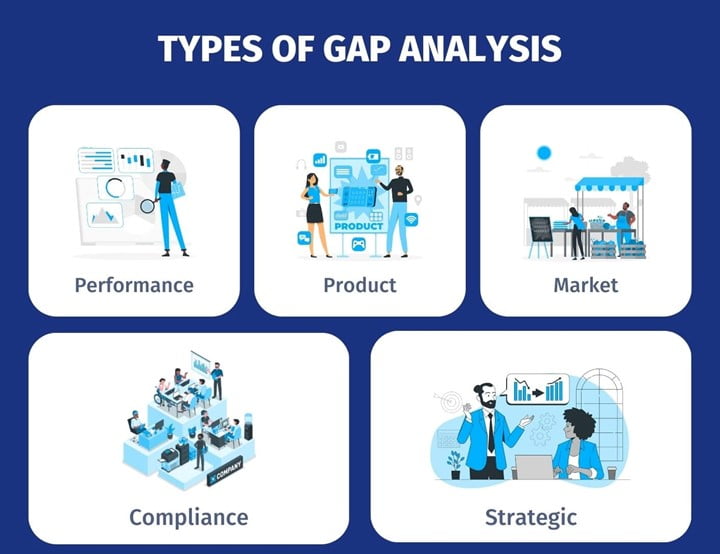
1. Comparative Analysis
Description
This method involves a side-by-side comparison of the current state of the software application against predefined benchmarks or industry standards.
Steps
- Establish clear benchmarks or industry best practices.
- Evaluate the software application's features, functionality, and performance against these benchmarks.
- Identify disparities and document the specific areas where the application falls short.
2. SWOT Analysis
Description
SWOT (Strengths, Weaknesses, Opportunities, Threats) analysis is adapted to assess internal and external factors influencing the software application.
Steps
- Identify the strengths and weaknesses of the current software application.
- Explore external opportunities and threats in the software landscape.
- Align identified gaps with the SWOT analysis to understand their implications.
3. User Feedback and Surveys
Description
Gathering feedback directly from end-users provides valuable insights into user satisfaction and areas of improvement.
Steps
- Design user surveys or feedback mechanisms
- Collect data on user experiences, pain points, and suggested enhancements.
- Analyze the feedback to pinpoint specific gaps in user satisfaction and expectations.
III. Purpose of Gap Analysis for Software Applications
1. Performance Improvement
- Objective: Identify and address performance gaps to enhance the overall efficiency and effectiveness of the software application.
- Outcome: Implement improvements to streamline processes, reduce response times, and optimize resource utilization.
2. Feature Enhancement
- Objective: Evaluate current features against industry standards and user expectations to identify gaps in functionality.
- Outcome: Introduce new features, enhance existing ones, or remove obsolete functionalities to align with user needs and market demands.
3. Risk Mitigation
- Objective: Identify vulnerabilities and risks in the software application to proactively address potential issues.
- Outcome: Implement security patches, update protocols, and establish contingency plans to mitigate risks and ensure data integrity.
4. User Satisfaction and Experience
- Objective: Understand user expectations and satisfaction levels to bridge gaps in user experience.
- Outcome: Implement user-centric improvements, intuitive interfaces, and personalized features to enhance overall satisfaction.
5. Strategic Alignment
- Objective: Ensure that the software application aligns with the organization's strategic goals and industry standards.
- Outcome: Make informed decisions about the software's roadmap, ensuring it remains relevant and competitive in the evolving market.
Conclusion
Gap analysis for software applications is a vital process that combines various methods to reveal discrepancies and areas for improvement. By employing these methods and understanding the overarching purpose, organizations can drive meaningful enhancements, ensuring their software applications remain resilient, user-friendly, and aligned with strategic objectives.