


Lesson 4 – Civilization Pre-Columbian
Introduction
Before the arrival of the Europeans, the vast landscapes of North America were inhabited by a myriad of indigenous tribes, each with its own unique culture, traditions, and history. These Native Americans, often overlooked in the grand narratives of global history, thrived and developed sophisticated societies long before the first Europeans set foot on their shores. From the intricate social structures of the Iroquois in the Northeast to the artistic endeavors of the Haida in the Northwest, there’s an abundance to explore and understand. In this lesson, we will delve deep into the world of the North American Indians before Europeans.
I. Pre-Columbian North America
1. What was the pre-Columbian civilization
The term “Pre-Columbian” refers to the periods and cultures in the Americas before the arrival of Christopher Columbus in 1492. This era encapsulates a vast span of time, during which diverse and complex civilizations, such as the Maya, Aztec, and Inca, rose and flourished. These societies, each distinct in its achievements and lifestyles, had vast trade networks, intricate art, and impressive architectural feats.
2. Role of the North American Indians
Within this broader Pre-Columbian canvas, the North American Indians held their own unique and crucial space. Unlike the large empires of Mesoamerica or the Andes, North America was characterized by a plethora of tribes, each with its specific culture, governance, and way of life. Spanning from the icy realms of the Arctic to the sunbaked deserts of the Southwest, these tribes showcased resilience and adaptability to their environment. Their stories, art, spiritual practices, and societal structures offer a rich tapestry of history, often overshadowed by the grandeur of their southern neighbors but equally significant in understanding the pre-European Americas.
II. North American Indigenous tribes
The vast expanse of North America, long before the footprints of European settlers, was a mosaic of indigenous tribes, each carving out its own niche in diverse landscapes. From the dense woodlands of the Northeast to the arid deserts of the Southwest, these tribes not only adapted to their environments but also thrived, creating distinctive cultures, traditions, and systems of governance. Below are some tribes classified by their primary regions of habitation.
1. Northeast Tribes
a. Iroquois Confederacy
Historically based in what is now upstate New York, the Iroquois were a powerful confederation of six tribes, namely the Mohawk, Oneida, Onondaga, Cayuga, Seneca, and Tuscarora. Known for their advanced political system, the Iroquois played a significant role in trade and diplomacy in the Northeast.
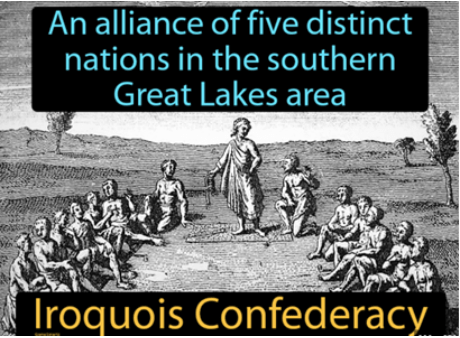
Figure 01: Iroquois Confederacy
b. Algonquian
This is not a single tribe but a group of tribes speaking Algonquian languages. They lived in the northeastern coastal regions, ranging from Canada to Virginia. Famous for their hunting and fishing, they also practiced agriculture, cultivating crops like corn, beans, and squash.
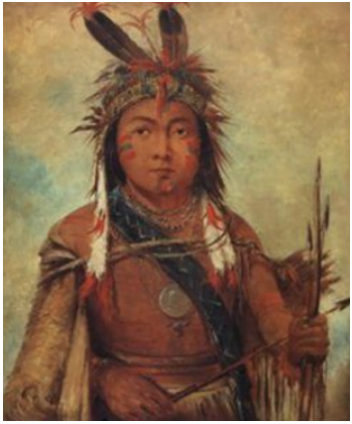
Figure 02: Algonquian Indian
2. Plains Tribes
a. Sioux
Often recognized as the Dakota, Lakota, and Nakota subdivisions, the Sioux inhabited the vast Great Plains from the Mississippi River to the Rocky Mountains. They were renowned horsemen and buffalo hunters, especially after adopting horse culture.
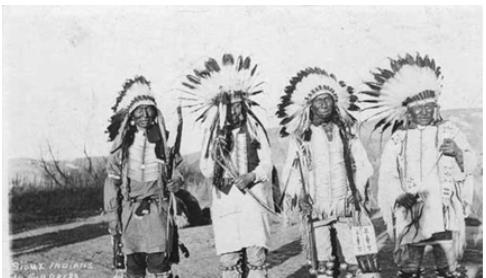
Figure 03: Sioux Native Americans
b. Cheyenne
Originally sedentary agriculturalists, the Cheyenne transitioned to a nomadic plains culture after migrating westward. They became adept buffalo hunters and established significant alliances with other plains tribes.
3. Southeast Tribes
a. Cherokee
One of the 'Five Civilized Tribes,' the Cherokee originally occupied the Southeastern woodlands. They had a complex society with a written language, developed by Sequoyah, and their own system of governance.
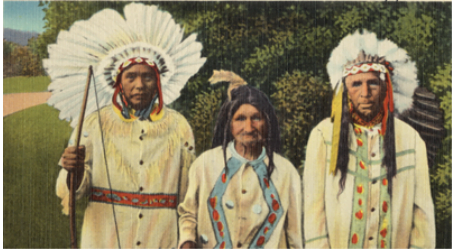
Figure 04: Cherokee People in the Eighteenth Century
b. Creek
Also part of the 'Five Civilized Tribes,' the Creek Confederacy was a union of several tribes. They had rich agricultural practices and a matriarchal society.
4. Northwest Coast Tribes
a. Haida
Living on the islands off the coast of present-day British Columbia and Alaska, the Haida were skilled fishermen and traders. They're particularly renowned for their totem pole artistry.
b. Tlingit
Occupying the coastal rainforest region of Southeast Alaska, the Tlingit were hunter-gatherers known for their clan-based society and impressive woodwork, including totem poles and canoes.
5. Southwest Tribes
a. Hopi
Inhabiting the arid regions of present-day Arizona, the Hopi are Pueblo people known for their terraced agriculture, kachina rituals, and intricate basketry.
b. Navajo
The largest federally recognized tribe, the Navajo Nation has a reservation located in portions of Arizona, Utah, and New Mexico. Traditionally, they are known for sheepherding, weaving, and their sacred sandpaintings.
Each of these tribes and tribal groupings, while sharing some common features due to their geographical locations, have distinct cultures, histories, and contributions to the rich tapestry of North American indigenous history.
III. Culture and Civic Existence
1. Language and Writing Systems
Many tribes had their own languages, with some like the Cherokee developing a unique writing system. Others relied on oral traditions and storytelling for passing down knowledge and history.
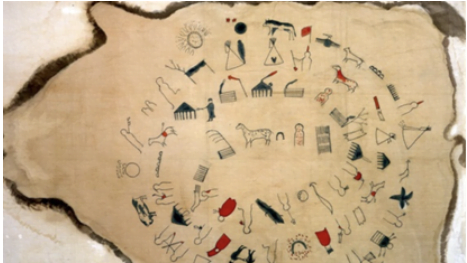
Figure 05: Language and Writing Systems
2. Daily Activities, Food, and Clothing
Daily life varied by region and available resources. While some tribes hunted bison on the plains, others cultivated crops or fished. Traditional clothing was often made from animal hides or woven materials, decorated with intricate beadwork or embroidery.
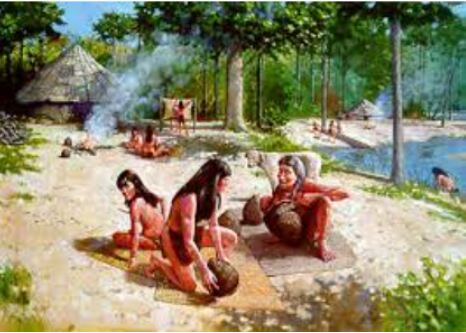
Figure 06: American Indians
3. Art and Music
Indigenous art ranges from detailed pottery and carvings to vibrant paintings. Music played a crucial role in ceremonies and storytelling, with tribes using drums, flutes, and other instruments unique to their culture.
IV. Social and Political Systems
1. Family and Tribal Structures
Tribes often had clans or extended family groups as foundational units. Descent and kinship rules determined one’s role within the tribe.
2. Intertribal Relations
While some tribes formed alliances or traded with one another, others might have been rivals or enemies.
3. Political Systems and Leadership
Governance varied, from chieftains and councils to more complex political structures. Leaders were often chosen based on heredity, prowess in battle, or wisdom.
V. Traditional Economy and Industry
Depending on the region, tribes developed their sustenance strategies, with some relying heavily on fishing, while others turned to cultivating crops or gathering resources directly from the land. This intrinsic connection to their environment also extended to their craftsmanship. Essential to their daily life, tribes demonstrated remarkable skill in creating pottery for storage, weaving textiles or baskets, and crafting tools using materials like bone, stone, or metal.
VI. Religion and Life Philosophy
Each tribe held a rich tapestry of deities and myths, boasting its own pantheon of spirits or gods. These myths not only elucidated natural phenomena but also imparted moral lessons that guided their daily lives. Spirituality was deeply interwoven into the fabric of their existence, with ceremonies frequently conducted at designated sites, ranging from riverbanks to sacred ceremonial mounds. Such rituals were more than mere traditions; they sought the favor of gods or looked for guidance in crucial matters. Central to their existence was a life philosophy rooted in indigenous beliefs, emphasizing the harmony with nature and underscoring the significance of communal ties.
Conclusion
The North American Indians played an indispensable role in the annals of Pre-Columbian history, molding the continent’s past with their intricate societies and deep-rooted traditions that existed long before the Europeans set foot on their lands. However, with the European arrival, a significant upheaval ensued. This not only led to profound land displacements but also sparked dramatic cultural shifts, heralding a transformative chapter in the tribes’ long-standing narrative.