


Lesson 5 – Visual Journal
Introduction
Art is created in various concepts for different purposes. To have a deeper understanding about art, we should have a closer look at some kinds of art. Therefore, the theme discussed in this article is a familiar art concept: visual journal. So what exactly visual journal is, how many kinds of visual journal there are and how to create own visual journal, those question are going to be answered in this article.
I. What is Visual Journal?
Visual journaling is a way to explore concepts, ideas, and thoughts visually in order to understand and create personal meaning. It is a universal experience that does not require artistic talent. Anyone can engage in visual journaling by being open to exploring, discovering, and reconnecting with oneself and their life experiences.
In an educational context, visual journaling can be more than just a powerful tool for personal meaning-making. It can also be used as an assessment tool for metacognitive awareness. Metacognition is the ability to think about one’s own thinking. Visual journaling can help students to become more aware of their own thinking processes and to develop their critical thinking skills.
Although visual journaling originated in the context of art education, it can be used in any academic context. It is a versatile tool that can be used to explore a wide range of topics.
II. Which Kind of Visual Journal are The Most Common?
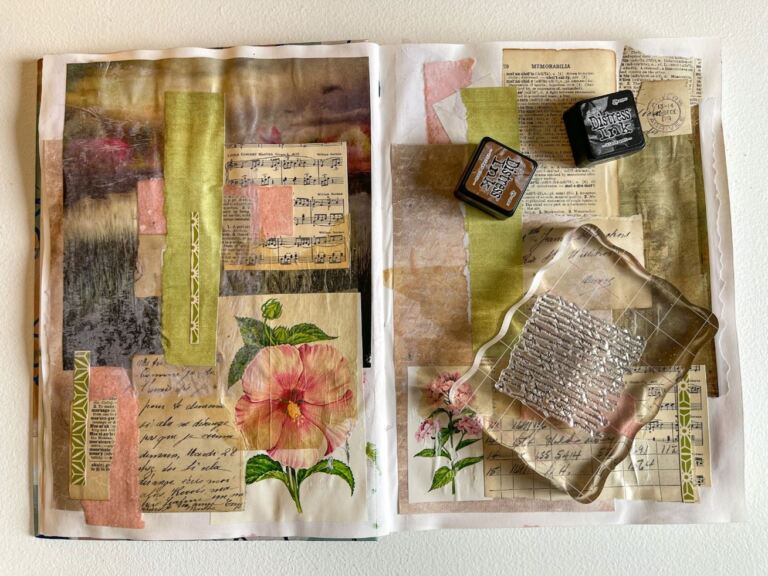
Art journaling
This type of visual journal focuses on creating art, such as drawings, paintings, collages, and mixed media pieces. Art journals can be used to express emotions, document experiences, or simply explore creativity.
Travel journaling
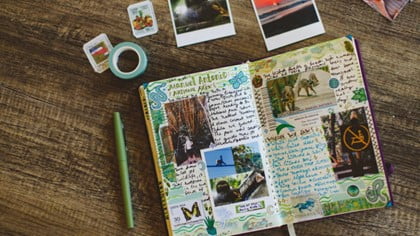
Travel journals are a great way to capture memories of your adventures. You can use photos, drawings, and written descriptions to record your travels, from the places you've visited to the people you've met.
Bullet journaling
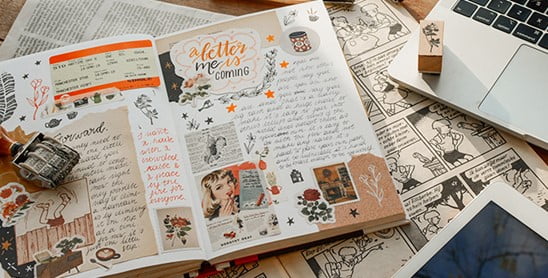
Bullet journaling is a popular form of journaling that uses a simple system of symbols and abbreviations to track your thoughts, activities, and goals. Bullet journals can be customized to fit your individual needs and interests.
Dream journaling
Dream journaling is a great way to explore your subconscious mind. When you wake up from a dream, write down as much as you can remember about it, even if it seems silly or nonsensical. Over time, you may start to notice patterns in your dreams and learn more about yourself.

Freeform journaling
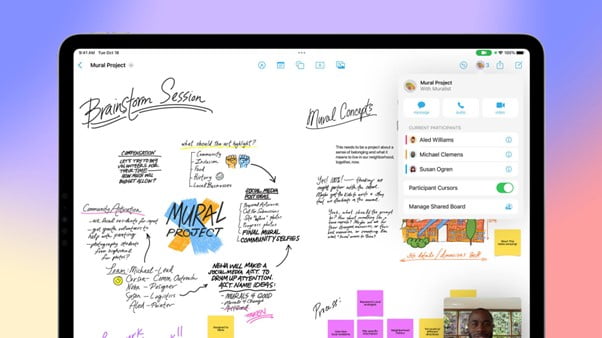
Freeform journaling is just what it sounds like: you can express yourself however you want, using any combination of words, images, and symbols. This type of journaling is a great way to let your creativity flow and to explore your thoughts and feelings without any restrictions.
III. How to Make a Visual Journal Product?
1. Choose a Journal That You Love
The journal should be something that you enjoy looking at and using. You might want to have a journal with thick paper that can withstand paints and markers, or a journal with blank pages that you can customize however you like.
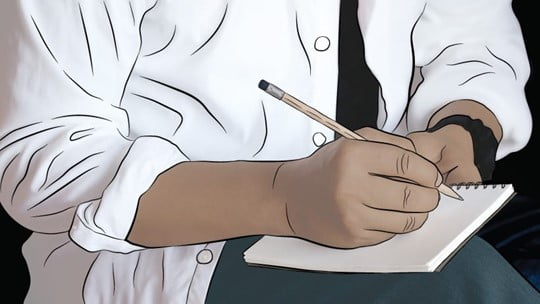
2. Gather Some Materials
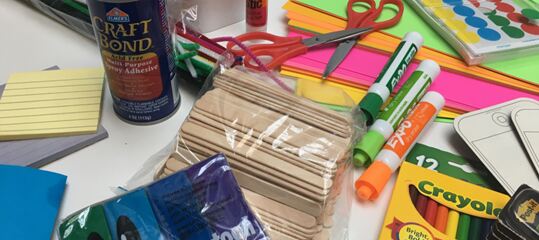
You might want to have some pens, pencils, markers, colored pencils, crayons, stickers, and/or scissors on hand. You can also use found objects, such as leaves, flowers, or feathers.
3. Start Small
Don’t feel like you have to create a masterpiece every time you journal. Just start by adding a few simple images or drawings to your journal.

4. Be Patient
It takes time to develop your own visual journaling style. Don’t get discouraged if your early attempts aren’t perfect. Just keep practicing and you’ll eventually find your own unique way of expressing yourself.

5. Have Fun!
The most important thing is to have fun and to let your creativity flow. Visual journaling is a great way to relax, de-stress, and connect with your inner self.
IV. FAQs
- 1. What are the different types of visual journaling?
- 2. How do I get started with visual journaling?
- 3. Where can I find visual journaling prompts?
- 4. What are some common mistakes to avoid when visual journaling?
- 5. I'm not artistic. Can I still do visual journaling?
Conclusion
Visual journal is not only an art form, but also known as an effective academic method. Students can make use of visual journal to gain more knowledge more scientifically, while teacher can also be beneficial from using those products in teaching. The knowledge written in textbooks, articles, etc. are so boring that pupils cannot remember it, and teachers have a lot of difficulties in helping students to understand it.