


Chapter 1, Lesson 5
In Progress
Lesson 5 – Ellipsis
Chapter Progress
0% Complete
Introduction
The three tiny dots suspended in space are the ellipsis, which has a unique punctuation power. It can signal a pause, create a sense of anticipation, or suggest something has been omitted. Yet, despite its simplicity, mastering the art of ellipsis usage can be a perplexing challenge for many writers. How do you know when to use it? How many dots should you include? In this lesson, we will unravel the mysteries of the ellipsis and provide you with a comprehensive guide on its common usage. By the end of this journey, you will possess the confidence and expertise to wield the ellipsis effectively, adding depth and intrigue to your writing.
I. Definition
1. What’s an Ellipsis?
A three-dot ellipsis, or ellipses in the plural, is a punctuation mark that symbolizes the omission of words, a pause, or the suggestion that something has been left unsaid. The ellipsis, regularly referred to informally as “dot, dot, dot,” is a popular literary tool of authors because it can indicate quiet in writing while more specifically expressing that a direct quote has been changed.
II. Ellipsis, dash, and colon
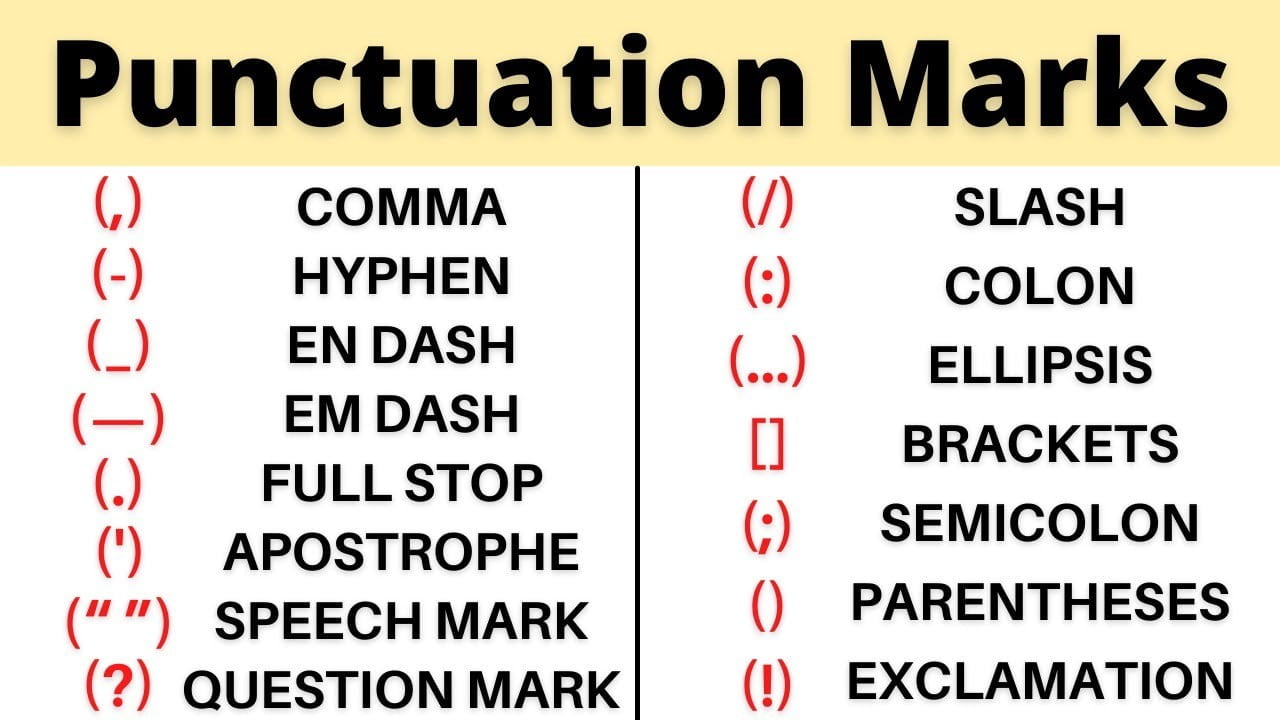
Compared to dashes and ellipsis, both represent breaks in text. However, the dash conveys a more emphatic pause than an ellipsis’s “soft” one. While the colon also represents a break in text for much more deliberate reasons. However, unlike ellipses and dashes, they do not represent silence. Furthermore, neither the dash nor the colon can represent omitted words; only the ellipsis can do that.
III. How to create ellipses on a word processor
Even though there are several varieties of ellipses in linguistics, an ellipsis in writing performs four primary functions:
1. Pause for dramatic effect or suspense
An ellipsis can also represent a brief pause or solitude in text for a powerful impact. The ellipsis frequently precedes a predicted object, such as the joke’s punchline. The objective is to create tension before an unexpected twist.
Here are some examples of using ellipsis to create a pause for dramatic effect or suspense:
- The footsteps grew louder, closer... She held her breath, waiting for what would come next.
- He looked into her eyes, searching for answers... but all he found was silence.
- The door creaked open slowly... revealing a room filled with darkness and mystery.
- The crowd held its breath as the performer took a deep breath... and then unleashed a breathtaking display of talent.
- "I have something to tell you," he said, his voice trailing off... leaving her hanging on to every word.
2. Trailing off into silence
In conversations, we often need to complete sentences for various reasons. It could be due to a momentary memory lapse or the assumption that our listeners already know the intended message, thus eliminating the need to articulate it fully.
In written form, this phenomenon is denoted by an ellipsis. When an ellipsis appears at the end of a sentence or quotation, the speaker has trailed off without completing their thought.
Examples:
- "I was thinking we could go to the... um... park today."
- "She turned to me and said, I've meant to tell you... but maybe it can wait.”
- "The room fell silent as he began to speak, but his words... they never came out."
- "He looked at the painting, his face filled with awe, and whispered, 'It's just... indescribable.”
- "The wind rustled through the trees, creating an eerie atmosphere... as if something was about to happen.".
3. To suggest there’s more
An ellipsis at the end of a complete sentence often serves as a powerful literary device, suggesting that additional content is yet to be revealed. A well-known example is the phrase ‘to be continued…’ which employs the ellipsis to indicate an ongoing narrative.
This technique can be highly effective in storytelling, as it prompts readers to imagine what might unfold next, intensifying their anticipation and immersing them further into the narrative. It is particularly impactful when used to create suspenseful cliffhangers or compelling endings. However, it is essential to exercise caution and use the ellipsis sparingly to preserve its impact and avoid diluting its effect.
Examples:
- "She looked at him, her eyes filled with longing... as if there were words left unspoken."
- "The secret diary was discovered, revealing shocking revelations about her past... and leaving readers hungry for the next entry."
- "The detective carefully examined the crime scene, finding a clue that could potentially crack the case... leading to a thrilling twist in the investigation."
- "He reached into his pocket and pulled out a small box... inside, a glimmering ring awaited, hinting at a forthcoming proposal."
- "The book's last page contained a cryptic message... leaving readers eager for the sequel and the answers it might provide."
IV. How to Make an Ellipsis
An ellipsis, denoted by three dots (ellipsis points), is a punctuation mark that indicates omissions or pauses in writing. It is important to note that an ellipsis consists of precisely three dots, neither more nor fewer.
1. To create an ellipsis in a word processor, type three periods with spaces in between:
period-space-period-space-period-space
This type of ellipsis is commonly employed to signify a pause or a trailing thought, as demonstrated in the following examples:
- She opened the door… and saw… a cake!
- I think we should call home.
2. Word processing programs automatically generate an ellipsis when three periods are typed consecutively with spaces. Type a space, three periods, and another space, and proceed to the next word. The automatically created ellipsis may appear smaller than three spaced-out periods:
Correct: We went to the city… and arrived home after midnight.
The word processing program will create an ellipsis when three periods are typed without spaces in between.
3. When you use an ellipsis to replace words or a part of a sentence, it is recommended to leave a space on either side of the ellipsis
For example:
(Without an ellipsis) We went to the city, shopped, ate lunch, and arrived home after midnight.
(With an ellipsis, removing the words “shopped, ate lunch”) We went to the city… and arrived home after midnight.
4. If the sentence being replaced is a question, the ellipsis should be followed by a question mark. Similarly, if the sentence being replaced is an exclamation, the ellipsis should be followed by an exclamation point. And if the sentence being replaced is a statement, the ellipsis should be followed by a period. This helps to convey the intended meaning and tone of the sentence.
5. An ellipsis can also be used in combination with a period to shorten a quote:
Example: She said, “I like apples, oranges, and bananas because they are all fruits.” She said, “I like apples, oranges, and bananas….”
6. Additionally, an ellipsis can be followed by a question mark to indicate a trailing thought:
Examples: Why would he do that…? Where is she…?
7. Similarly, an ellipsis can be followed by an exclamation point to convey excitement after a pause:
Examples: Wow…! I cannot believe you did that…!
These examples illustrate the different contexts in which an ellipsis can be used, whether to indicate a pause, omission, shortened quote or to express questioning or excitement.
Conclusion
In the symphony of punctuation marks, the ellipsis is the subtle conductor of suspense and imagination. Its three dots form a bridge between words, hinting at untold stories and unspoken emotions. As writers, we hold the power to wield this unassuming trio to engage readers, leaving them with a hunger for more. By skillfully utilizing the ellipsis, we invite readers to participate actively, filling the gaps with their interpretations.