


Chapter 1, Lesson 8
In Progress
Lesson 8 – How to Analyze the Fictional Portrayal of a Character, Place or Time
Chapter Progress
0% Complete
Introduction
Through this lesson, students will understand that analyzing a portrait of a character, place, or time in a novel is to understand the story and its setting better. This resource will also provide tips to help students carefully consider factors such as setting, time, and character traits, allowing readers to understand the world and its characters better.
Analyze story elements such as setting, time, place, or character by considering a hero’s personality traits and characteristics in literature or art forms like cinema. This lesson aims to inform the learners about the elements required for analysis and their role in the story.
I. Definition
1. Character
Character analysis is a study that examines the qualities of a hero, frequently from literature or other forms of art like film. The primary objective is to give the reader a thorough grasp of each character’s part in the narrative. The essay should be impartial and demonstrate critical thinking abilities while considering the character’s connections, conduct, speech, and appearance. While not a résumé, offering personal insights and character analysis is occasionally functional.

2. Key elements of character
Characters in a tale are grouped according to their actions, characteristics, and functions. The protagonist (the reasonable person) and the antagonist (the evil guy or villain) are often significant characters that drive the plot.
By interacting with one another and revealing their personalities, circumstances, and tales, minor characters assist in telling the story of the principal character. They can be dynamic, static, or foil and are generally fixed (unchanging). Minor players like Hermione Granger and Ronald Weasley assist Harry Potter in his battles with Voldemort in the Harry Potter books and films. A protagonist is a primary figure who serves as the focal point of a story. Examples include Othello from Shakespeare’s play, Frodo from J.R.R. Tolkien’s The Lord of the Rings, Harry Potter from J.K. Rowling, and Elizabeth Bennet from Jane Austen’s “Pride and Prejudice.”
The person who stands against the protagonist is known as the antagonist. Examples of antagonists include Darth Vader from Star Wars, King Joffrey from Game of Thrones, and the Wicked Queen from Snow White and the Seven Dwarfs.
The type of essay beyond responding describes a fictional character, place, or time. Such an essay helps the reader understand the world and the story’s context. An analytical essay about nature, place, or time that aims to break down the elements of the story and examine how they contribute to character formation.
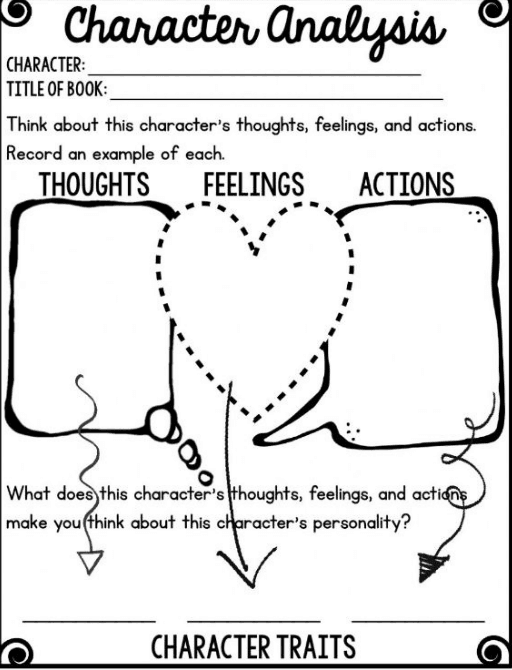
II. How to Analyze a Character
It is essential to use critical thinking skills and to maintain objectivity when analyzing, regardless of personal opinions or preferences. Essays often include the character’s relationships with others, behavior, speech, appearance, and other related characteristics. When analyzing the time, context, and location, we will understand the effect of these factors to help create character lines and depict the story content and personality of the characters in the story. To write a character analysis, look out for signs like:
- Mood swings and reactions can provide insight into a character's personality.
- You can determine a character's personality traits by analyzing their thoughts, feelings, and actions.
- Understanding the character type (flat, round, neck, static, or dynamic) and role (protagonist, villain, or shield) can help you better understand their overall purpose in the story.
- Finally, note how the characters change and develop throughout the story, as this can provide insight into their motivations and overall growth.
Immerse yourself in the story:
Please read the story carefully and pay attention to the dialogue, their role in the plot, and the setting and situations in the story. Includes information about their achievements and influence on other characters. Explore the characters from different perspectives and focus on their complexity and detail.
Immerse yourself in the story and note important academic parts like the setting and climax. Observe how writers shape characters in their lives and identities. Look at their morals and behavior and how they affect situations and other surfaces. Finally, focus on the characters that interest you.
For example, when analyzing the character Daisy Buchanan in ‘The Great Gatsby, ‘ the essay should explain who Daisy is, her relationship with the protagonist, and her purpose and role in the story. Providing enough background information for readers who may need to become more familiar with the story is also essential.
III. FAQ
1. What does it mean to analyze the fictional portrayal of a character, place, or time?
Analyzing means closely examining how the author has presented and developed a character, place, or time in a literary work, and then drawing insights and conclusions about their significance and impact on the story.
2. Why is analyzing character, place, or time important?
Analyzing these elements helps you understand the themes, emotions and intentions of the author. It also offers insights into the story’s messages, symbolism, and historical/cultural context.
3. How do I begin analyzing a character?
Start by examining the character’s traits, actions, relationships, and dialogue. Consider how the character evolves throughout the story and what their role contributes to the narrative.
4. What about analyzing a place or setting?
For a place or setting, pay attention to its physical descriptions, atmosphere, and how characters interact with it. Analyze how the setting affects the mood and events of the story.
5. How can I analyze a specific time period in a story?
When analyzing a time period, consider historical context, cultural norms, and events that may have influenced the story. Think about how characters and themes are shaped by the time period.
6. Can I use symbolism to analyze these elements?
Yes, symbolism is often used to convey deeper meanings. Look for symbols associated with characters, places, or times, and explore how they contribute to the story’s themes.
7. How can I uncover a character's motivations and emotions?
Examine their actions, thoughts, dialogue, and interactions with other characters. Consider their past experiences and how they respond to challenges and conflicts.
8. What's the role of conflicts and challenges in analyzing characters?
Conflicts and challenges reveal a character’s strengths, weaknesses and growth. Analyze how they respond to adversity and how it shapes their development.
9. How do I connect a character's traits to their actions and decisions?
Analyze how a character’s traits influence their choices and behaviors. Look for patterns in their actions that reflect their personality.
10. How can I analyze the impact of a specific place or time on characters?
Examine how characters’ behaviors, beliefs, and relationships are influenced by the setting or time period. Consider how they adapt to or rebel against their surroundings.
11. How does analyzing time periods help in understanding themes?
The historical and cultural context can provide insights into the story’s underlying themes and messages. Analyze how characters and events reflect the values of their time.
Conclusion
Analyzing a novel’s portrayal of characters, places, and times is crucial for understanding the story and its context. Readers can more effectively comprehend the world and its characters by deconstructing the setting, time, and character traits. This lesson has imparted essential techniques for practical analysis, such as critical thinking and objectivity, and tips for immersing oneself in the story to grasp its complexities fully. By applying these skills, students can enhance their analytical abilities in reading and writing. Ultimately, scrutinizing fictional portraits aims to better appreciate the story and its characters and comprehend the world around us. Therefore, it is imperative to invest time and effort in analyzing the portrayal of characters, places, and times in a novel to gain a more comprehensive understanding of the story.