


Chapter 1, Lesson 7
In Progress
Lesson 7 – How to Draw Conclusions from a Passage
Chapter Progress
0% Complete
Introduction
First-person, second-person, third-person, third-person objective, third – person limited, and third-person omniscient are the six fundamental terminologies used in the study of narrative perspective point. Each word relates to a specific narration style determined by the narrator’s distance from the tale (the pronoun case) and the amount of information the narrator divulges about the character’s thoughts and feelings (narrative access). Let’s examine each phrase in more detail. In this lesson, we will learn about narrative perspective and some types of points of view in literature.
I. The Narrator and Point of View
1. Point of view definition
From creating video games to understanding art, the word “point of view” has various uses. The point of view will be covered on this page concerning the study of reading and literature. The reader is interested in the interaction between the narrator—the person narrating the tale—and the agents, or characters, that the narrator refers to when recounting the story.
2. Narrative definition
A storyteller’s most crucial and challenging decision is selecting a narrative point of view. Like story, character, place, and language, point of view is a choice made creatively but also exceptionally technically. Someone must tell the tale. The title of the person is the narrator. But who will be that narrator, and what will they know are the questions.
II. Types of point of view
1. First-Person Point of View: Subjective Point of View.
The narrator acts as a character in first-person point of view and describes their experiences and ideas. Using this strategy, the author can put a mediator between the reader and the events. Credibility is essential in the first-person point of view since it enables readers to determine whether the narrator is trustworthy. The connection between the protagonist and the narrator is particularly crucial since it may change the plot if the narrator describes events shortly after they happen, as in Sammy’s “A&P” or the “half of a century” wait in Poe’s “The Cask of Amontillado.” Recognizing the theme of reckless teenage acts and their long-term effects may require recognizing this contrast.
2. Second Person Point of View: The Objective Subjective Point of View.
A more contemporary literary technique called the second-person point of view enables readers to experience a novel through the perspective of a character, generally the main character. By objectifying the character, this strategy reduces the distance between the character and the reader. Although the reader is aware that the narrator is being manipulated, they choose to accept it. In a first-person point of view, the reader gets their identity as the “I” in a tale and forgets they are not experiencing the events. The novels Bright Lights, Big City by Lorrie Moore and Dagoberto Gilb are two examples of second-person point of view.
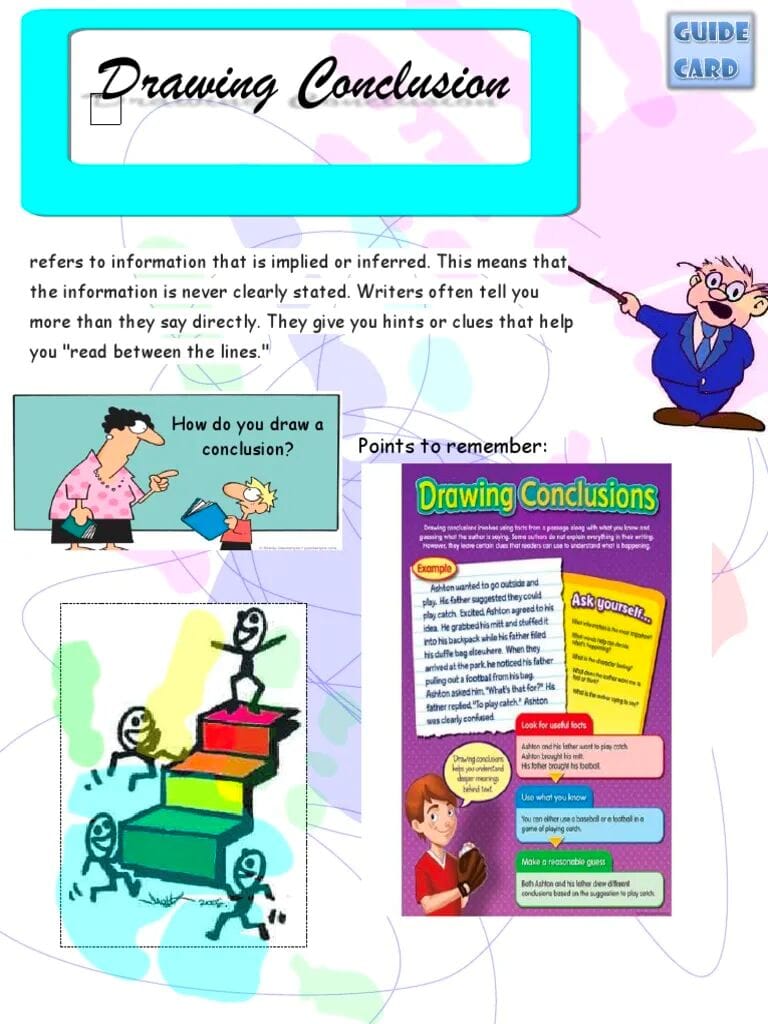
3. Third-Person Points of View: Objective Point of View.
While the narrator sits outside the action and presents an objective view, third-person points of view concentrate on the characters’ experiences. There are three: omniscient, limited omniscient, and dramatic objective. Each is impacted by how much knowledge the characters have access to inside and beyond the scope of the tale.
III. Strategies to draw conclusions
Several vital strategies emerge when concluding a passage discussing the creation of compelling first-person narrators. The passage offers seven techniques to achieve this goal:
1. Evoke the senses, not only the narrator's inner world
It might be tempting to let your narrator spend much time reflecting on their thoughts and emotions while writing a book or short story in the first person. Concentrating on characters’ mental and emotional processes alone can make them seem flat. Ask your character to describe sights, sounds, scents, tastes, and thoughts when appropriate.
2. Avoid overusing words that place distance between the narrator and your reader
You might be tempted to start sentences with “I” a lot since the narrator tells the majority of the narrative in first person narration using the first person “I” (and occasionally the plural “we”). The reader sees the door and can also hear it scratching. Later in the sentence or simply in the next paragraph, the intrusive “I” might appear. These “filter words,” according to Ruthanne Reid’s article for The Write Practice, can put readers at a remove from the first-person narrator’s experiences. It should be noted that occasionally, you could desire this distance for artistic purposes. Perhaps you don’t want the reader to picture the situation so well in their head.
3. Avoid merely reporting in first person narrative
A first-person narrator can express her personal experience and accompany the reader through each surprise, difficulty, and success. While describing events that your narrator experiences, passive voice use is a typical blunder. There are exceptions since you may stress your character’s inaction in a particular circumstance. This is more compelling because readings that include spoken voices offer readers a feeling of the moment the action occurs.
4. Use either expository or scene narration for the right reasons
In actuality, you will occasionally need to place the reader in a scenario with your “I” narrator, and you will also require your narrator to narrate events as a report back. Use the detached “I did this and then that happened” narrative for describing scene changes (for example, “After I found the weird mansion, I was a little scared. I went back home and…”)
Educating the reader on significant history that may be given in one or more scenes, such as “I was born on a smallholding just south of the border.” We often relocated till I was 14)
5. Vary the way your narrator expresses feelings, thoughts, and experiences
Although it may seem apparent, many beginner writers specifically commit this error. If your protagonist is sensitive or emotional, they could discuss emotions in your novel. But refrain from using cliched details:
The scraping noise that was coming from within the home disturbed me. When I tested the door, and it was locked, my anxiety increased.
Use different words, such as “my,” articles (such as “a” or “the”), and other alternatives to avoid using the phrase “I felt” over and over again.
Keeping variation in your first-person writing The narrator’s ability to articulate themselves is crucial since it makes the character seem more authentic. Additionally, it aids in keeping the reader engaged in your developing plot by preventing word repetition from doing so.
6. Make the narrating voice consistent with the narrator's backstory
One typical pitfall when writing first-person narratives is having the narrator sound much like the author when describing events. Ensure that your narrator’s voice fits what you tell the reader about their background and continuing growth to give them a genuine personality.
Pay close attention to:
- Where is your character from historically? Consider their possible accents, slang from their area, and idioms.
- Class: What amount of education and affluence does your narrator possess? How may this affect vocabulary, and whether they primarily employ formal or casual speech?
- Personality: Is the 'I' who is narrating a brazen and crude character? Or sophisticated and elegant?
7. Learn from how the greats use first-person narrative:
It’s always a good idea to take notes from the writing of your favorite authors, just like you should with any part of the craft you wish to improve. Many books that are regarded as masterpieces make use of first-person intimacy. Examples of the ideas above may be found in works by Herman Melville (‘Call me Ishmael,’ says the narrator at the beginning of Moby Dick) and Harper Lee (‘To Kill a Mockingbird,’ etc.).
The first-person narrator in Harper Lee’s Mockingbird doesn’t begin with “I thought,” “I felt,” or “I saw.” The novel opens with:
“When he was thirteen, my brother Jem had a severe elbow fracture. After it had healed and Jem’s worries that he might never be able to play football again had passed, he rarely felt self-conscious about it.
IV. FAQ
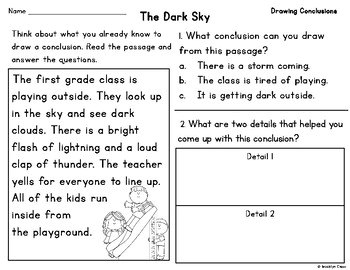
1. What does it mean to draw conclusions from a passage?
Drawing conclusions involves using the information presented in a passage, combined with your own reasoning, to form an educated judgment or inference about a particular aspect of the text.
2. Why is drawing conclusions important?
Drawing conclusions helps you move beyond the surface of the text, enabling you to understand implied meanings, make connections and analyze the author’s intent more deeply.
3. How do I identify the information needed to draw conclusions?
Pay attention to details, evidence, and context provided in the passage. Look for patterns, symbolism, character motivations, and themes that contribute to your understanding.
4. Can drawing conclusions involve making predictions about the text?
Yes, drawing conclusions often requires making predictions based on the available information. However, these predictions should be grounded in evidence from the text.
5. What role does critical thinking play in drawing conclusions?
Critical thinking helps you evaluate the evidence, consider alternative interpretations, and weigh the significance of different elements to arrive at well-reasoned conclusions.
6. Can my personal biases influence the conclusions I draw?
Yes, personal biases can inadvertently influence your conclusions. It’s important to be aware of your biases and strive to base your conclusions on evidence and logical reasoning.
7. How can I differentiate between a supported conclusion and a speculative one?
A supported conclusion is based on evidence directly or indirectly provided in the text. A speculative conclusion lacks substantial evidence and relies more on assumptions.
8. What's the difference between drawing conclusions and making an inference?
Drawing conclusions and making inferences are closely related. Drawing conclusions often involves making inferences—drawing logical deductions from the information presented in the text.
9. Can I draw multiple conclusions from the same passage?
Yes, a well-crafted passage can support multiple valid conclusions. The key is to ensure that each conclusion is well-supported by evidence within the text.
10. What should I do if my conclusions differ from commonly accepted interpretations?
If your conclusions differ, ensure they are based on a solid analysis of the text. Articulate your reasoning clearly, considering alternative viewpoints, and be open to discussing your interpretations with others.
11. Is it possible to draw conclusions beyond what the author intended?
Yes, while it’s important to stay grounded in the text, readers can sometimes draw insightful conclusions that even the author might not have explicitly intended. This demonstrates a deep engagement with the material.
Conclusion
In a movie, the narrator, who must consider the camera’s location and viewpoint in every scene, narrates the tale that the filmmaker intended to be told. The camera may appear as a character, a monster, or a far-off panning shot in horror films. These techniques are also applied in memoirs and short fiction. The point of view we choose is essential to govern what we know and how we perceive events. A more profound comprehension of the narrative might result from having faith in the narrator and experiencing fear. The three fundamental varieties of point of view employed in narratives—first person (I, we), second person (you), and third person (he, she, it, and they)—are commonly acknowledged by critics and educators. One of the characters tells the story in the first person. By understanding the narrator in the story, the passage can understand the author’s intention and the message outlined in that story.