


Lesson 2 – Mechanical and Temporal Isolation
Introduction
In the study of reproductive isolation, two significant mechanisms play a crucial role in preventing interbreeding between species: mechanical and temporal isolation. Mechanical isolation involves physical barriers that hinder mating or gamete transfer between individuals of different species. On the other hand, temporal isolation is based on differences in the timing of reproductive activities among species, ensuring that individuals from different species do not have the opportunity to mate. By exploring the characteristics and examples of these two forms of reproductive isolation, we can better understand how they contribute to the diversification and maintenance of distinct species.
I. Definition
1. Mechanical Isolation
Mechanical isolation is a reproductive barrier that occurs when the reproductive structures of individuals from different species are incompatible, making it physically impossible or extremely difficult for mating or gamete transfer. These structural differences can include variations in genitalia, flower shapes, or other specialized adaptations. For example, in insects, the shape and structure of the male and female reproductive organs may be specifically adapted to fit together only with individuals of the same species, preventing successful mating with individuals from other species. Similarly, in plants, the structure of the flower may be uniquely adapted to attract and accommodate a specific pollinator, limiting successful pollination to individuals within the same species.
2. Temporal Isolation
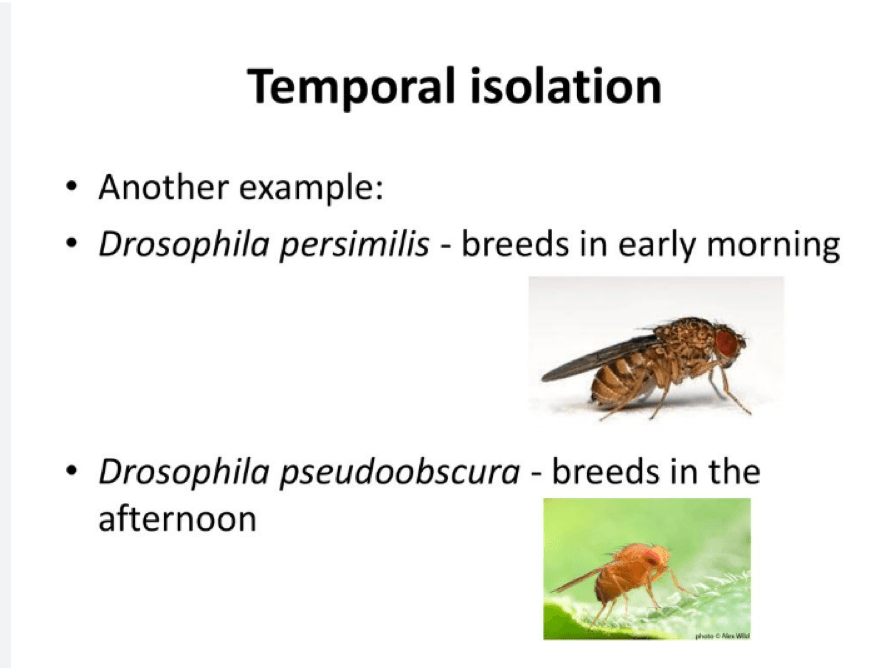
Temporal isolation, on the other hand, is a type of reproductive isolation based on differences in the timing of reproductive activities among species. Each species has its specific breeding season, mating rituals, or periods of sexual receptivity. This can be influenced by factors such as seasonal changes, day-night cycles, or even specific times within a day when individuals are sexually active. As a result, individuals from different species may not be available for reproduction at the same time, effectively preventing them from encountering or mating with individuals of other species. For instance, certain species of frogs may have distinct mating calls that are only effective during specific months or times of the year, ensuring that individuals of different species do not attempt to mate.
3. Mechanical vs. Temporal Isolation: Understanding the Differences in Reproductive Barrier Mechanisms
Mechanical and temporal isolation are two distinct mechanisms of reproductive isolation that prevent gene flow between different species or populations. While both mechanisms contribute to speciation by preventing interbreeding, they differ in several aspects:
Definition:
Mechanical isolation refers to the physical incompatibility of reproductive structures, such as genitalia or floral parts, between species. It prevents successful mating or fertilization due to the inability of gametes to be transferred or received properly. On the other hand, temporal isolation is based on differences in the timing of reproductive activities. It occurs when species have different mating seasons, daily mating patterns, or periods of reproductive receptivity.
Barrier Mechanism:
Mechanical isolation acts as a physical barrier that prevents the transfer of gametes during attempted mating. It involves structural differences that impede successful mating or the transfer of pollen between flowers. In contrast, temporal isolation acts as a time-based barrier. It restricts mating opportunities by ensuring that individuals of different species are not reproductively active at the same time.
Timing vs. Structure:
Temporal isolation is primarily related to timing and synchrony of reproductive activities. It can involve differences in mating seasons, diurnal/nocturnal patterns, or specific time windows for reproductive receptivity. In contrast, mechanical isolation is based on structural differences in reproductive organs or floral parts. It can include differences in genitalia shape, size, or position in animals, or variations in petal shape, size, or arrangement in plants.
Prezygotic Barrier:
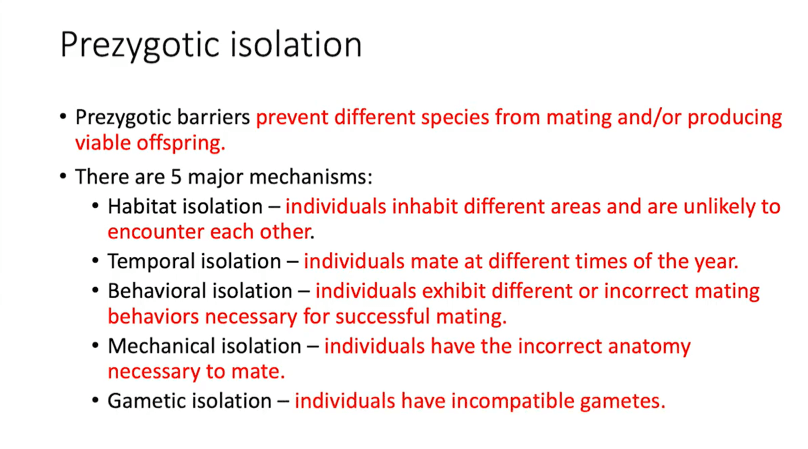
Both mechanical and temporal isolation are considered prezygotic barriers, meaning they prevent mating or fertilization from occurring. They act as barriers to gene flow before the formation of a zygote (fertilized egg). By preventing mating or the successful transfer of gametes, they contribute to reproductive isolation between species and inhibit the formation of viable hybrid offspring.
Genetic Incompatibility:
Mechanical isolation is primarily driven by physical incompatibility, where the structures of reproductive organs or floral parts do not fit or align correctly, preventing successful mating or fertilization. In contrast, temporal isolation is based on differences in the timing of reproductive events, indicating that individuals of different species are not sexually receptive or available for mating at the same time.
In summary, mechanical and temporal isolation are two different mechanisms of reproductive isolation that prevent gene flow between species. Mechanical isolation involves physical incompatibility of reproductive structures, while temporal isolation is based on differences in the timing of reproductive activities. Both mechanisms act as prezygotic barriers, preventing mating or successful fertilization and contributing to the process of speciation by maintaining species boundaries.
II. Examples illustrate the comparison between mechanical and temporal isolation
1. Mechanical Isolation:
Insects:
Different species of insects may have specific shapes and sizes of reproductive organs that are adapted for successful mating within their species. For instance, the genitalia of male and female beetles may possess unique structures that fit together precisely, allowing mating to occur. Incompatible genital systems between different beetle species prevent successful reproduction. After mating, during mechanical isolation, the incompatibility of reproductive structures between different insect species becomes apparent. When individuals from different species attempt to mate, the specific shapes and sizes of their reproductive organs may not align or fit together correctly. As a result, successful copulation and the transfer of gametes (sperm and eggs) are hindered. In some cases, mating attempts between species with incompatible genitalia may be physically impossible due to the mismatch in their reproductive structures. In other instances, mating may occur, but the transfer of gametes may not be successful, leading to the absence of fertilization. This lack of fertilization ensures that no zygote (fertilized egg) is formed, preventing the development of hybrid offspring. The inability of different insect species to produce viable offspring through mating due to mechanical isolation ensures that gene flow between these species is limited. As a result, they remain reproductively isolated and maintain their distinct genetic identities. Mechanical isolation is a vital mechanism in preventing interbreeding between different insect species, contributing to their individual evolutionary paths and the preservation of species diversity.
Flowers:
Plants often have specialized flower structures that attract specific pollinators. For instance, some orchid species have long floral tubes adapted for pollination by a specific moth species with a corresponding long proboscis. The moth’s proboscis is uniquely suited to extract nectar from the orchid’s flowers, while other pollinators with shorter mouthparts are unable to access the nectar. This mechanical mismatch restricts cross-pollination between different orchid species and promotes reproductive isolation.
Mechanical isolation in insects involves the incompatibility of reproductive structures, hindering successful mating and gene flow between different species. Specific shapes and sizes of genitalia prevent alignment and proper transfer of gametes, leading to unsuccessful fertilization. In flowers, mechanical isolation is related to specialized structures that attract specific pollinators, limiting cross-pollination between different species. Unique flower shapes match the specific characteristics of pollinators, restricting access to nectar and promoting reproductive isolation. While insects face structural barriers, flowers rely on specialized adaptations to prevent interbreeding and maintain species diversity.
2. Temporal Isolation:
Frogs:
Many frog species have distinct breeding seasons and specific times of day when they are sexually active. For example, one frog species may breed in the early spring, while another species may breed in the late summer. These temporal differences in reproductive activity prevent individuals from different species from encountering each other and attempting to mate, ensuring reproductive isolation. The process after temporal isolation involves preserving species-specific reproductive behaviors and timing. Each frog species adheres to its unique breeding schedule, reducing the chances of hybridization between different species. This specialized temporal adaptation ensures that mating and reproduction occur predominantly within each species’ specific time frame.
Plants:
Some plant species have specific flowering periods that are coordinated with certain environmental cues, such as day length or temperature. For instance, one plant species may bloom during the cool spring months, while another species may flower during the hot summer months. These temporal separation limits opportunities for cross-pollination between species, as their flowering times do not overlap.
In both cases, mechanical and temporal isolation act as barriers to gene flow between species by preventing successful mating or limiting the timing of reproductive activities. These mechanisms contribute to the maintenance of distinct species and promote biodiversity.
Conclusion
Mechanical and temporal isolation are fundamental components of reproductive isolation, playing critical roles in maintaining the boundaries between species. While mechanical isolation relies on physical incompatibilities in reproductive structures, temporal isolation restricts mating opportunities through temporal differences in reproductive activities. Both mechanisms serve as significant barriers to gene flow, preserving species integrity and promoting biodiversity. By understanding these forms of reproductive isolation, researchers can unravel the intricate processes that shape the diversity of life on Earth.