


Lesson 7 – How to Conduct Scientific Research
Introduction
Science experiments are essential for children. They are useful in comprehending scientific theories and notions that science textbooks alone cannot fathom. However, the nature of the substances and lab experiments used in science labs makes them dangerous. So in this lesson, we will learn about rules to protect ourselves in the lab.
I. Safety in the Life Sciences
Scientific research can involve some very substantial safety dangers. If scientists aren’t careful, they might poison themselves or get sick and die. Different dangers may be present depending on the type of research a scientist conducts. For instance, a researcher studying lion behavior in Africa faces distinct hazards from a researcher working with microorganisms in a lab, yet both researchers must adhere to safety precautions. Safety procedures must be followed when interacting with potentially dangerous items like parasites, radiation and radioactive materials, poisons, and wild animals. Additionally, working with teratogens, which are chemicals that cause malformations in developing embryos; pathogens, viruses, bacteria, or fungi that cause disease; and carcinogens, which are chemicals that cause cancer, is exceedingly dangerous. The bubonic plague-causing Yersinia pestis, for instance, is studied by scientists using specialized equipment that prevents the bacterium from escaping the lab.
Biological hazards, often known as biohazards, are biological substances that endanger the health of living organisms, most notably humans. It can contain blood tainted with a disease-causing organism. If laboratory-grown bacteria have the potential to spread illness, they are also considered biohazards.
While these dangers are inherent owing to the nature of the job done in the life sciences business, firms can reduce occurrences and increase employee safety by:
- Putting in place an effective safety management system
- Identifying potential dangers, prioritizing them, and implementing controls and mitigation measures to reduce or eliminate the effects
- Processes for continuously monitoring potential problems and taking preventive action
- Responding quickly and promptly to any occurrence and ensuring that it does not happen again
- Providing personnel with the necessary training, tools, and protective equipment to keep them safe.
II. Laboratory Safety
Professional scientists also adhere to safety regulations, particularly when researching potentially harmful organisms like the bacteria that cause the bubonic plague (see figure below).
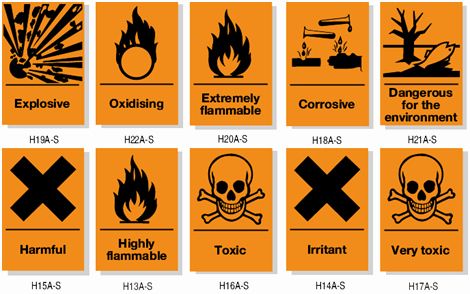
You may occasionally employ heat, electricity, chemicals, and sharp things in laboratories. You should adhere to the safety rules listed below while in the lab:
- Ensure you follow all safety instructions provided by your teacher and the lab instructions.
- Observe instructions closely.
- Put long hair in a bun.
- Wear shirts without dangling sleeves, hoods, or drawstrings, and closed-toe shoes with low heels.
- When directed to do so, put on safety aprons, gloves, or goggles.
- The only appropriate cleaning tool for broken glass is a dustpan and brush. Never use bare hands to handle broken glass.
- Never consume food or liquids in a lab setting. Dangerous compounds could be present on countertops and tabletops.
- Test tubes and beakers should be meticulously cleaned. Future investigations may involve the interaction of leftover chemicals with other substances.
- When working with flames or heat plates, use caution when reaching. Make sure to keep your arms and hair away from the heat.
- If something out of the ordinary occurs, notify your instructor immediately. If someone is injured, an accident report may be necessary. In addition, the teacher must be aware of any damaged or discarded goods.

III. Field Research Safety
A field scientist researches both biotic and abiotic elements in a location that is often not an indoor laboratory. Outdoor scientists must adhere to safety regulations as well. These safety rules are intended to guard against injury to the environment, living things, people, and animals. When conducting research outside the country, scientists are expected to get familiar with and abide by the local regulations.
How to stay safe when doing fieldwork
Fieldwork groups must have proper first aid training and supplies suitable to the type of work and hazards encountered and the size of the field trip party. Current certification at the “Senior” first aid level should be considered a minimal standard for first aid training. Precautions must be taken to reduce the possibility of accidents of any type, but if accidents do occur, they must be managed by making proper preparations.
Portable first aid kits are required and should be made available where suitable. It should be noted that conventional type C vehicle kits are almost probably insufficient for fieldwork, and schools will need to build their own kits to accommodate the unique hazards/injuries that may be encountered.
Survival in dangerous situations in isolated places, at sea, or in deserts necessitates specialized knowledge, skills, preparation, and training. Anyone engaging in such activity must create, review, and update requirement and process lists. All participants should be aware of these and report them to the School Fieldwork Supervisor.
For instance, entomologists tracking the monarch butterfly’s migration (Figure below) between the United States and Mexico must adhere to rules in both nations. Biologists must first seek authorization to study protected wildlife or plant species, typically from the government. This is crucial to safeguarding these vulnerable species.

Conclusion
While the majority of chemicals used in a high school laboratory are quite safe, some may have related dangers or become harmful when coupled with other compounds. However, hazards can be decreased if you carefully abide by all safety regulations, chemical handling, storage, and disposal techniques in the laboratory and at home.