


Lesson 6 – The “New Spain”
Introduction
The history of the Americas is deeply intertwined with the story of colonization, and one of the most influential colonial powers was Spain. Among its vast territories, the Spanish colony known as “New Spain” played a significant role in shaping the history and culture of America. Let’s delve into this fascinating era’s establishment, administration, society, economy, and cultural legacy.
I. Spanish Explorers and Spanish Colonies
The Age of Exploration witnessed the rise of Spain as a formidable colonial power. Spanish explorers embarked on daring voyages, crossing oceans and traversing new lands, ultimately establishing vast colonies. This part will delve into some notable Spanish explorers and the central Spanish colonies they established, shedding light on their impact on history.

1. Spanish Explorers
Christopher Columbus
Christopher Columbus, an Italian explorer sailing under the Spanish flag, embarked on his historic voyage in 1492. Seeking a western route to Asia, he instead stumbled upon the Caribbean islands of the Americas. Columbus’s four voyages opened the door to Spanish exploration and colonization in the New World, marking the beginning of Spain’s colonial empire.
Hernán Cortés
Hernán Cortés led the expedition that resulted in the fall of the Aztec Empire and the establishment of New Spain. In 1519, Cortés landed in Mexico and, with a small army, embarked on a conquest that ultimately led to the defeat of the Aztecs. His actions laid the foundation for Spanish colonization in the region.
Francisco Pizarro
Francisco Pizarro, another Spanish conquistador, is known for the conquest of the Inca Empire in South America. In 1531, Pizarro and his forces arrived in the Inca territories, exploiting internal conflicts and eventually capturing the Inca emperor Atahualpa. The fall of the Inca Empire paved the way for Spanish colonization in present-day Peru and other parts of South America.
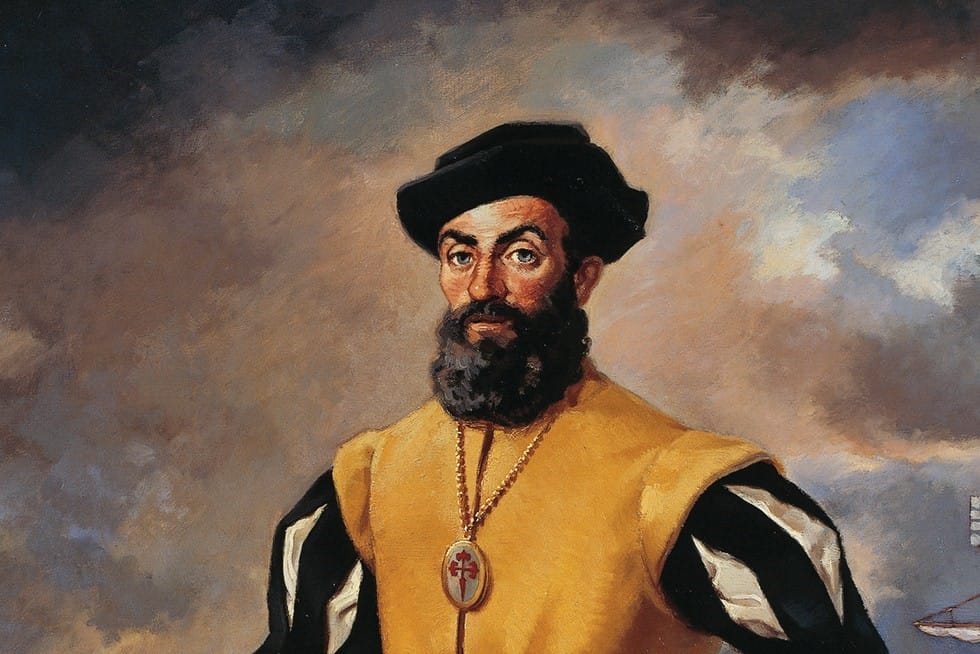
Ferdinand Magellan
Ferdinand Magellan, a Portuguese explorer sailing for the Spanish crown, is renowned for leading the first circumnavigation of the globe. In 1519, Magellan set sail with five ships, and though he perished during the journey, one ship successfully completed the voyage in 1522. This achievement solidified Spain’s global influence and opened new avenues for exploration and colonization.
2. Spanish Colonies
New Spain
New Spain, also known as the Viceroyalty of New Spain, was one of the most significant Spanish colonies in the Americas. It encompassed a vast territory, including present-day Mexico, parts of Central America, the Caribbean, and the southwestern United States. The establishment of New Spain began with the conquest of the Aztec Empire by Hernán Cortés. The colony thrived economically, particularly due to the discovery of rich silver deposits, and exerted a lasting cultural influence on the region.
Peru
The Spanish colony of Peru emerged after Francisco Pizarro’s conquest of the Inca Empire. This region became a crucial center for Spanish colonial administration and economic activity. Peru was renowned for its silver mines, notably in the city of Potosí, which contributed significantly to Spain’s wealth during the colonial era. The cultural blending between the Spanish colonizers and the indigenous populations shaped the unique heritage of modern-day Peru.
New Granada
New Granada, encompassing present-day Colombia, Ecuador, Panama, and Venezuela, was another prominent Spanish colony. Its establishment followed Spanish exploration led by Gonzalo Jiménez de Quesada, who discovered the rich city of El Dorado (now Bogotá). New Granada served as a strategic base for Spanish control and trade, and its cities, such as Cartagena and Bogotá, flourished as vital centers of colonial power.
Río de la Plata
The Spanish colony of Río de la Plata encompassed the region around the Río de la Plata estuary in South America, including present-day Argentina, Uruguay, and Paraguay. Initially focused on the exploitation of silver and other resources, the colony expanded its economic activities, including livestock farming and trade. Buenos Aires, founded in 1536, grew into a significant commercial hub and played a pivotal role in Spanish colonial control.
II. The establishment, administration, society, economy, and cultural legacy of the "New Spain"
1. Background and Context
In the 15th and 16th centuries, Spain embarked on ambitious voyages of exploration and colonization driven by a desire for wealth, glory, and the spread of Christianity. The voyages of Christopher Columbus paved the way for Spanish dominance in the Americas. As Spanish expeditions increased, so did the extent of their colonial empire.
2. Establishment of New Spain
New Spain emerged as one of the most important Spanish colonies, thanks to the conquest led by Hernán Cortés. In 1519, Cortés and his men initiated a daring expedition that ultimately resulted in the fall of the Aztec Empire, opening the door for Spanish colonization. With the establishment of New Spain, Spanish settlers arrived in droves, accompanied by missionaries, administrators, and traders. Major cities like Mexico City, Veracruz, and the Yucatan Peninsula became vital centers of Spanish influence.
3. Administration and Society in New Spain
The governance of New Spain was structured through the Viceroyalty system. The Viceroy, appointed by the Spanish Crown, acted as the representative and held substantial power. The Council of the Indies, based in Spain, oversaw New Spain’s affairs. However, despite the hierarchical administration, the colony developed a complex social structure. The peninsulares, Spaniards born in Spain, occupied the highest rung, followed by criollos (Spaniards born in the Americas), mestizos (mixed Spanish and indigenous heritage), and the indigenous population.
The indigenous people faced significant challenges under Spanish rule. The encomienda system, which granted Spanish settlers land and indigenous labor, often resulted in exploitation and forced labor. Additionally, the Spanish sought to convert the indigenous population to Catholicism through the establishment of missions and churches. This blending of Spanish and indigenous cultures laid the foundation for the unique cultural tapestry of New Spain.
4. Economic System
New Spain’s economic prosperity played a pivotal role in Spain’s global dominance. The region boasted abundant natural resources, including silver mines, which became the lifeblood of the colony. The discovery of vast silver deposits in Zacatecas and other areas transformed New Spain into a significant player in the global economy. The wealth generated from silver mining facilitated trade, resulting in the establishment of the Manila Galleon trade route that connected Asia with the Americas.
5. Cultural Legacy
The cultural legacy of New Spain remains deeply embedded in the fabric of the Americas. Spanish language, religion, and art left an indelible mark on the region. Catholicism became the dominant religion, and impressive churches and cathedrals were constructed. The colonial architecture, particularly the Baroque style, still adorns the cities of New Spain.
The cultural exchange between the Spanish, indigenous people, and African slaves resulted in a rich blend of traditions, beliefs, and practices. Notable figures emerged during this era, such as Sor Juana Inés de la Cruz, a renowned Mexican writer and philosopher who challenged gender norms and championed education.
FAQs
1. How did the Spanish administer their colonies in the Americas?
The Spanish colonies in the Americas were administered through the Viceroyalty system. The Viceroy, appointed by the Spanish Crown, acted as the representative and held substantial power. The Council of the Indies, based in Spain, oversaw the affairs of the colonies.
2. What was the social structure of New Spain?
New Spain developed a complex social structure with the peninsulares (Spaniards born in Spain) occupying the highest rung, followed by criollos (Spaniards born in the Americas), mestizos (mixed Spanish and indigenous heritage), and the indigenous population.
3. What was the economic system of New Spain?
New Spain’s economy was based on the exploitation of natural resources, particularly silver mining. The discovery of vast silver deposits transformed New Spain into a significant player in the global economy. Trade, facilitated by the Manila Galleon trade route, also played a vital role.
4. What is the cultural legacy of New Spain?
The cultural legacy of New Spain is deeply embedded in the fabric of the Americas. Spanish language, religion, and art left an indelible mark on the region. Catholicism became the dominant religion, and impressive churches and cathedrals were constructed. The colonial architecture, particularly the Baroque style, still adorns the cities of New Spain. The cultural exchange between the Spanish, indigenous people, and African slaves resulted in a rich blend of traditions, beliefs, and practices.
Conclusion
The era of New Spain stands as a testament to the complex interactions between indigenous civilizations, European powers, and the legacy of colonization. The establishment of the colony, its administration, social structure, economic activities, and cultural contributions profoundly shaped the history and culture of America. Exploring the intricacies of this period helps us understand the multifaceted dynamics that have influenced the Americas to this day.