


Lesson 6 – Competence in Interpersonal Communication
Introduction
Communication competence refers to the understanding of effective and appropriate communication patterns and the ability to apply that knowledge in different situations (Cooley & Roach, 1984).
I. Interpersonal Competencies of Global Leaders
Firstly, let’s clarify the definition of interpersonal skills, also known as social competencies or people skills. For most individuals, interpersonal competence means the following:
Interpersonal competence is the skill to interact with others and the community. This includes the ability to establish and maintain healthy, mutually beneficial relationships, as well as the capacity for interdependence and collaboration.
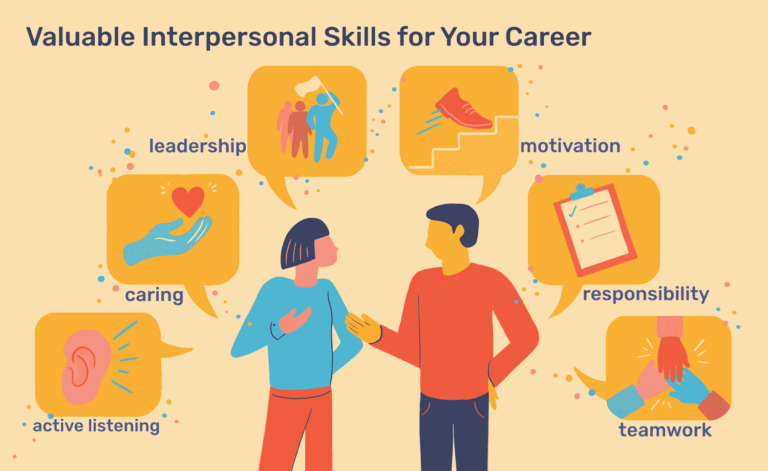
These are the fundamental skills that any leader needs to successfully interact and communicate with their team. They include:
- Active listening
- Teamwork
- Responsibility
- Dependability
- Patience
- Motivation
- Empathy
Global leaders must surpass this basic level of interpersonal skills to effectively lead their teams. Global leadership goes beyond domestic, expatriate, and comparative leadership, as well as global management or simply having a global title. It becomes “extreme leadership”.
Yes, similar to extreme sports. Just like an extreme athlete who requires a higher level of resilience, endurance, willpower, fitness, and courage to push themselves to the absolute limit, global leaders must elevate their competencies, whether interpersonal or otherwise, to a higher level.

II. Interpersonal Communication Competencies
Communication can be challenging, especially when one or both individuals involved are not skilled in effective communication. Unfortunately, most of us are not taught how to communicate effectively with coworkers, customers, family members, or even people we encounter daily.
In 1974, Arthur Bochner and Clifford Kelly conducted research to determine the qualities that make an individual a competent communicator. They identified five competencies that we should ask ourselves if we possess.
1. Empathy:
This involves forming an emotional connection with another person without feeling sorry for them. Genuine empathy includes logic, emotion, and goodwill, and it goes beyond simply putting yourself in someone else’s shoes. It means understanding where someone is coming from even if you disagree with them, without expecting anything in return.
2. Appropriate Self-Disclosure:
This refers to sharing personal information with others. Self-disclosure is a right and responsibility that belongs solely to the individual. No one has the right to force someone to disclose personal information, as it is a voluntary act. The depth of disclosure depends on the length of the relationship.
3. Taking Ownership of Feelings and Thoughts:
It is our responsibility to express our wants, feelings, and beliefs using “I” language. This allows us to communicate effectively without blaming others. For example, saying “I am unable to help when I am being yelled at” is more effective than saying “If you yell at me again, you will make me hang up the phone.”
4. Descriptiveness:
This competency involves giving and receiving feedback. It includes empathy, appropriate self-disclosure, and taking ownership of our thoughts and feelings. It also means actively participating in a conversation and using specific, concrete, and descriptive statements instead of vague, abstract, and evaluative messages. For instance, if you say someone has a “bad attitude,” ask yourself what that means.
5. Behavior Flexibility/Adaptability:
This competency involves adapting to the context in which we find ourselves. It requires understanding our interpersonal context as well as the context of the other person. It also involves taking action based on this understanding.
Improving these competencies can greatly enhance our communication skills and make interactions with others more effective and meaningful.
Conclusion
In summary, having strong interpersonal communication skills is extremely important in the professional world. Being able to effectively communicate is crucial for establishing and maintaining positive relationships with coworkers, managers, and clients. Additionally, professionals can improve collaboration, reduce misunderstandings and conflicts, boost productivity, enhance teamwork, and ultimately succeed in their chosen careers by actively practicing and continuously improving their communication abilities.