


Lesson 5 – How to Effectivly Use the Scientific Method
Introduction
The scientific method is a systematic and logical approach used by scientists to investigate phenomena and acquire knowledge. It provides a structured framework for conducting experiments, making observations, and drawing valid conclusions based on evidence. By following the scientific method, researchers can ensure that their findings are reliable, reproducible, and contribute to the advancement of scientific knowledge. In this post, we will explore the key steps of the scientific method and provide practical guidance on how to effectively utilize this powerful tool.
I. Definition
1. What is Scientific Method?
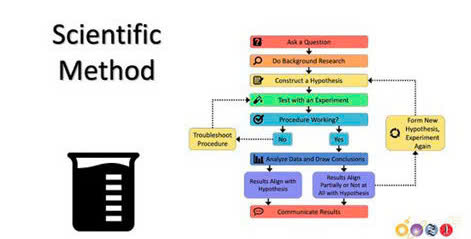
The scientific method is a systematic and logical approach used by scientists to investigate phenomena and acquire knowledge. It provides a structured framework for conducting experiments, making observations, and drawing valid conclusions based on evidence. The scientific method involves a series of steps that guide researchers in formulating hypotheses, designing experiments, collecting and analyzing data, and interpreting results. By following this method, scientists can ensure that their findings are reliable, reproducible, and contribute to the advancement of scientific knowledge.
II. How to Effectively Use the Scientific Method
Effectively using the scientific method requires maintaining objectivity throughout the research process, minimizing biases and personal beliefs. It is essential to ensure reproducibility by providing clear and detailed descriptions of the experimental procedures and methods used. Ethical considerations, such as obtaining necessary permissions and ensuring the welfare of research subjects, should also be prioritized. Collaboration with peers and experts in the field can provide valuable insights, feedback, and enhance the validity of your research. Additionally, embracing failure and learning from unsuccessful experiments or unexpected results can lead to new avenues of exploration and scientific discovery.
1. Ask a Question
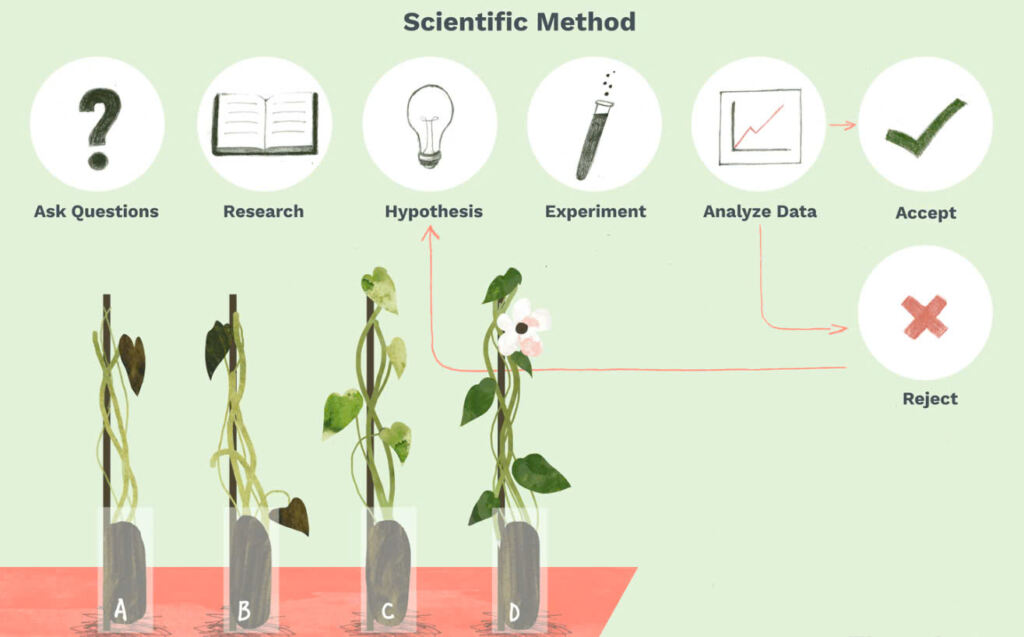
Begin by formulating a clear and specific question that can be investigated through experimentation or observation. The question should be relevant to the topic of study and address a gap in knowledge or seek to explore a specific phenomenon.
2. Conduct Background Research
Gather existing knowledge and information about the topic through scientific literature, reputable sources, and previous research studies. This step helps you refine your research question, understand the current state of knowledge, and identify any knowledge gaps.
3. Formulate a Hypothesis
Develop a hypothesis, which is an educated prediction or proposed explanation based on existing knowledge and observations. The hypothesis should be testable and specific, allowing you to design experiments or observations to either support or refute it.
4. Design and Conduct Experiments
Plan and design your experiments or observations, clearly defining variables and controls. Implement the experimental procedures in a consistent and controlled manner to ensure reliable and accurate results. Collect and record data meticulously, maintaining detailed observations and measurements.
5. Analyze Data and Draw Conclusions
Analyze the collected data using appropriate statistical methods and data analysis techniques. Look for patterns, trends, and relationships within the data set to draw meaningful conclusions. Evaluate whether the results support or contradict your hypothesis and consider possible sources of error or limitations in the study.
6. Communicate and Share Findings
Prepare a comprehensive report or scientific paper that documents your research process, results, and conclusions. Present your findings at conferences, publish in reputable scientific journals, and engage in scientific discussions to share your work with the scientific community.
III. FAQ
How can formulating a hypothesis contribute to effective use of the scientific method?
Formulating a hypothesis provides a clear prediction or proposed explanation to be tested through experimentation or observation, guiding the research process and allowing for the evaluation of results.
What are the benefits of designing and conducting experiments with proper controls?
Designing experiments with proper controls ensures that variables are isolated, reducing confounding factors and improving the reliability and validity of the results.
Why is data analysis an important step in the scientific method?
Data analysis allows scientists to identify patterns, trends, and relationships within the collected data, providing evidence to support or refute their hypotheses and draw meaningful conclusions.
Conclusion
Effectively using the scientific method is crucial for conducting reliable and rigorous research. By following the steps of formulating clear questions, conducting thorough background research, designing controlled experiments, analyzing data, and drawing evidence-based conclusions, researchers can ensure the validity and integrity of their findings. Maintaining objectivity, considering ethical considerations, and engaging in collaboration and communication with peers further enhance the effectiveness of the scientific method. Embracing the scientific method allows for systematic exploration, discovery, and advancement of knowledge across various fields of study.