This lesson we learned today is about Graphic Novels. Graphic Novels are written and drawn in the style of comics, but not comics. Graphic Novels must have a well-structured storyline with a proper beginning, middle, and end. Graphic novels combine text and pictures equally to convey a narrative. Knowing Graphic Novels give you diverse perspectives, educational and artistic value.
“Graphic Novel” is a format, not a genre. Graphic novels can include fiction, non-fiction, history, fantasy, and other similar area.
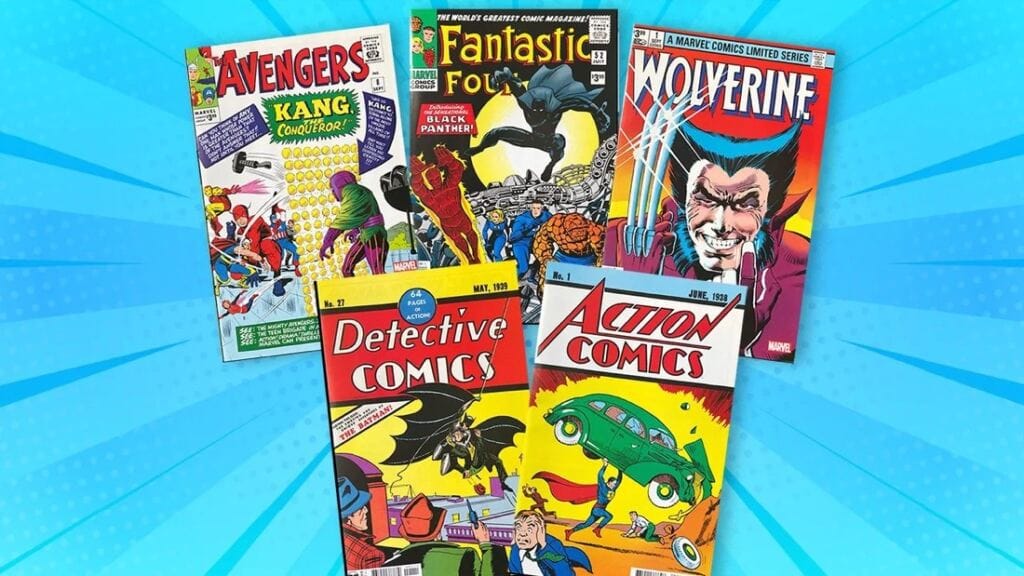
Graphic novels and comic books are considered similar by utilizing sequential art to narrate a story. However, unlike comic books, visual novels are more intricate with plots and are typically self-contained stories. Compilations of previously published short comic book stories are also classified as graphic novels.
Graphic novels can be divided into five primary groups, including:
Since the three frequently have similarities in style and content, it can be challenging to tell graphic novels from comics and manga. The distinction between a work’s style, substance, and design ultimately determines its classification; “graphic novel” is the most frequently used to refer to works that combine all three.
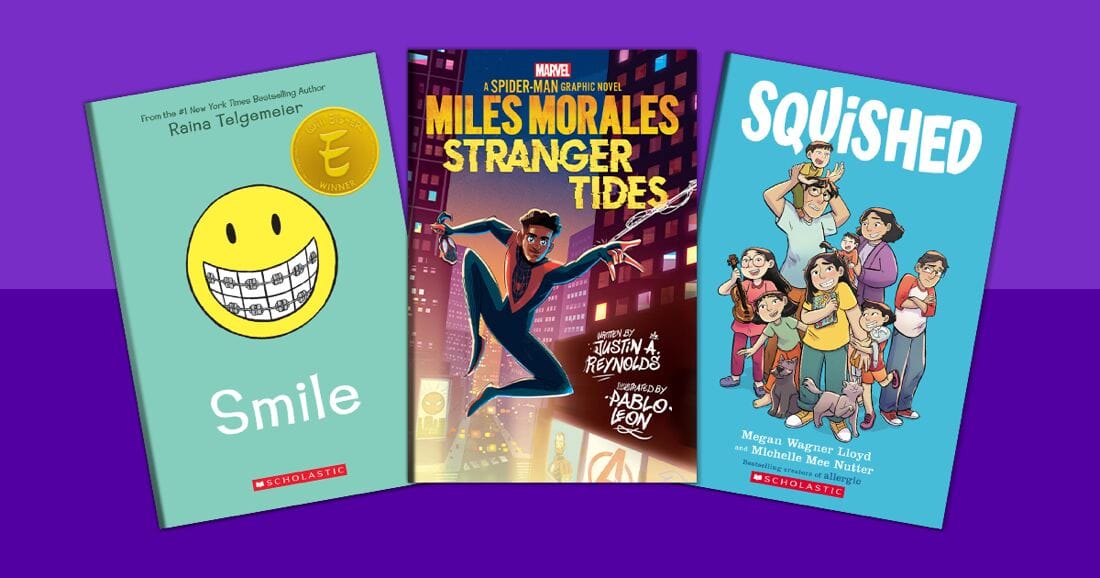
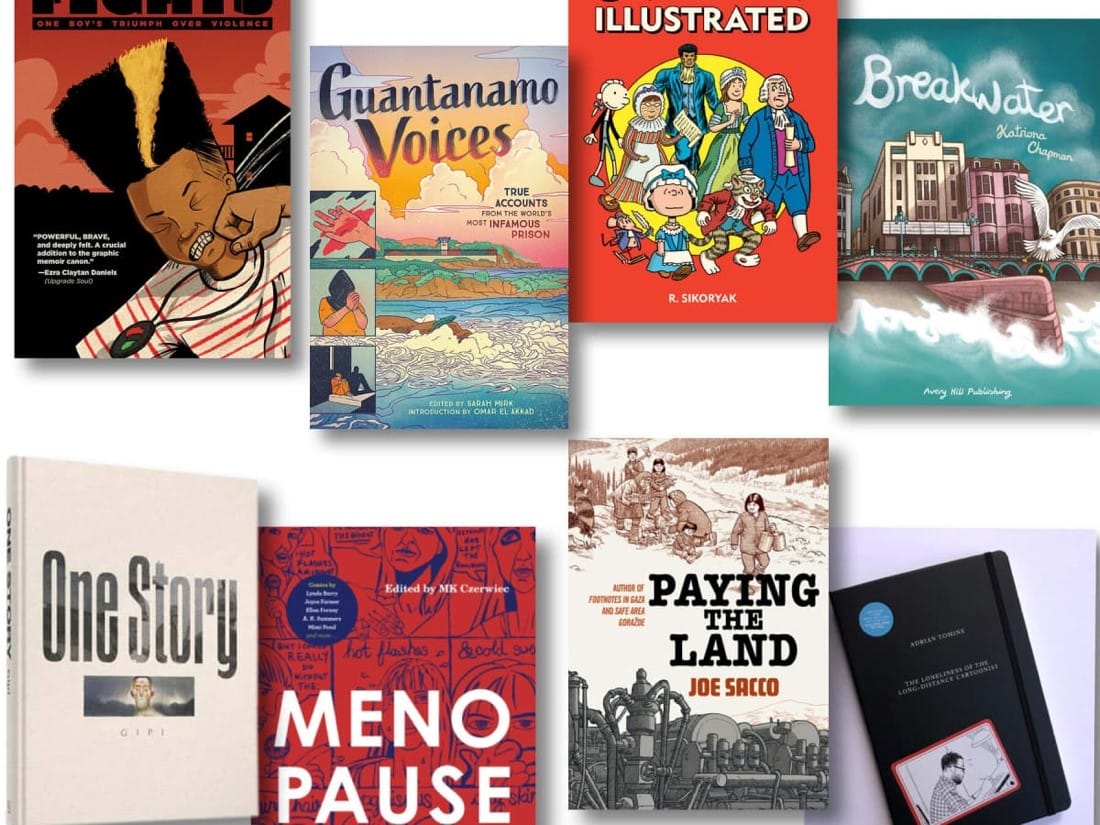
Graphic Novels have a variety of genres suitable for different audiences. Here are a few examples of featured graphic novels:
Five graphic novels are highly recommended for teenagers: “Boxers & Saints” by Gene Luen Yang, “Pumpkinheads” by Rainbow Rowell and Faith Erin Hicks, “Speak: The Graphic Novel” by Laurie Halse Anderson and Emily Carroll, “Hey, Kiddo” by Jarrett Krosoczka, and “Honor Girl” by Maggie Thrash. These graphic novels provide exciting and engaging reading material suitable for teenagers.
The following is a list of five recommended graphic novels suitable for children: “Abigail and the Snowman” authored by Roger Langridge, “The Hidden Witch” written by Molly Knox Ostertag, “Epic Zero: Tales of a Not-So-Super 6th Grader” authored by R. L. Ullman, “Nimona” authored by Noelle Stevenson, and “The Adventure Zone” written by Clint McElroy. Parents and guardians looking for appropriate reading material for children may consider these graphic novels.
The following is a list of the top five graphic novels recommended for adult readers: “Maus” by Art Spiegelman, which was awarded the Pulitzer Prize, “Persepolis” authored by Marjane Satrapi, “Watchmen” written by Alan Moore and Dave Gibbons, “Ghost World” authored by Daniel Clowes, and “Ice Haven” also composed by Daniel Clowes. These graphic novels offer engaging and thought-provoking content suitable for adult readers.
In short, Graphic Novels are a genre well worth exploring. It helps to expand your imagination as well as relax yourself. By studying this genre, learners can improve their critical thinking skills, visual literacy, and cultural awareness. Moreover, graphic novels offer a chance to relax while discovering new worlds and characters. Therefore, it is a genre worthwhile for anyone interested in literature, art, or storytelling.