

0% Complete
0/0 Steps
  1. Notes
Chapter 1, Lesson 3
In Progress

Lesson 3 – Inca Civilization

Chapter Progress
0% Complete
Introduction

Welcome to history lesson on the Inca civilization, one of the most awe-inspiring influential civilizations in the Americas. In this lesson, we will delve into the fascinating world of the Incas, exploring their remarkable achievements in architecture, engineering, agriculture, governance, and their unique cultural practices. Join us on a journey to the highlands of the Andes as we uncover the secrets of the Inca Empire.

I. Pre-Columbian South America

Pre-Columbian South America refers to the civilizations and cultures that thrived in the region before the arrival of Christopher Columbus in 1492. These diverse societies, spanning several millennia, exhibited remarkable cultural, technological, and artistic achievements. From the advanced urban planning of the Norte Chico civilization to the magnificent architectural wonders of the Inca Empire, Pre-Columbian South America is a testament to the ingenuity and complexity of indigenous peoples in the region.

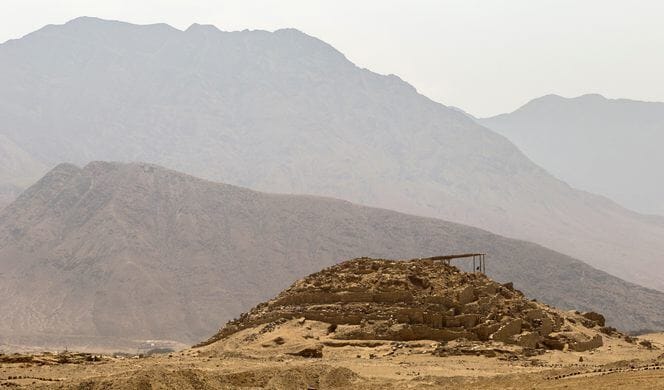
The Norte Chico civilization, located along the coast of present-day Peru, is one of the oldest known complex societies in the Americas. Despite the absence of a writing system, the Norte Chico people developed an intricate urban center, Caral, characterized by monumental architecture, including pyramids and plazas. Their advanced irrigation systems and agricultural techniques allowed them to sustain a large population.

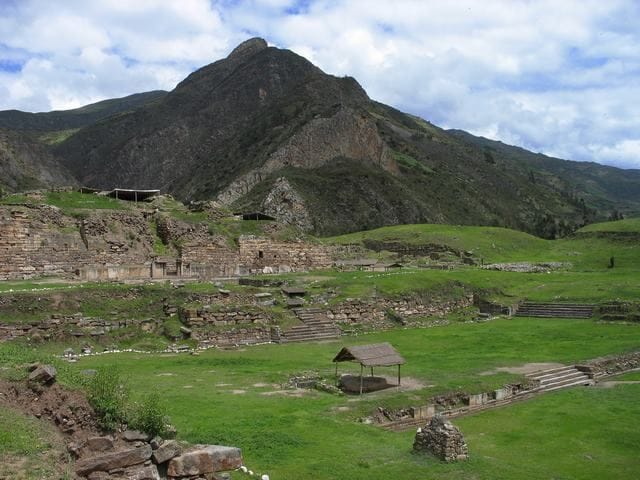
The Chavín civilization, centered in the Andean highlands of Peru, exerted significant cultural influence over subsequent civilizations. Known for their art and religious practices, the Chavín people constructed ceremonial centers featuring massive stone sculptures and intricate carvings. Their religious beliefs centered around a jaguar deity, and their art reflected a complex iconography that spread throughout the region.

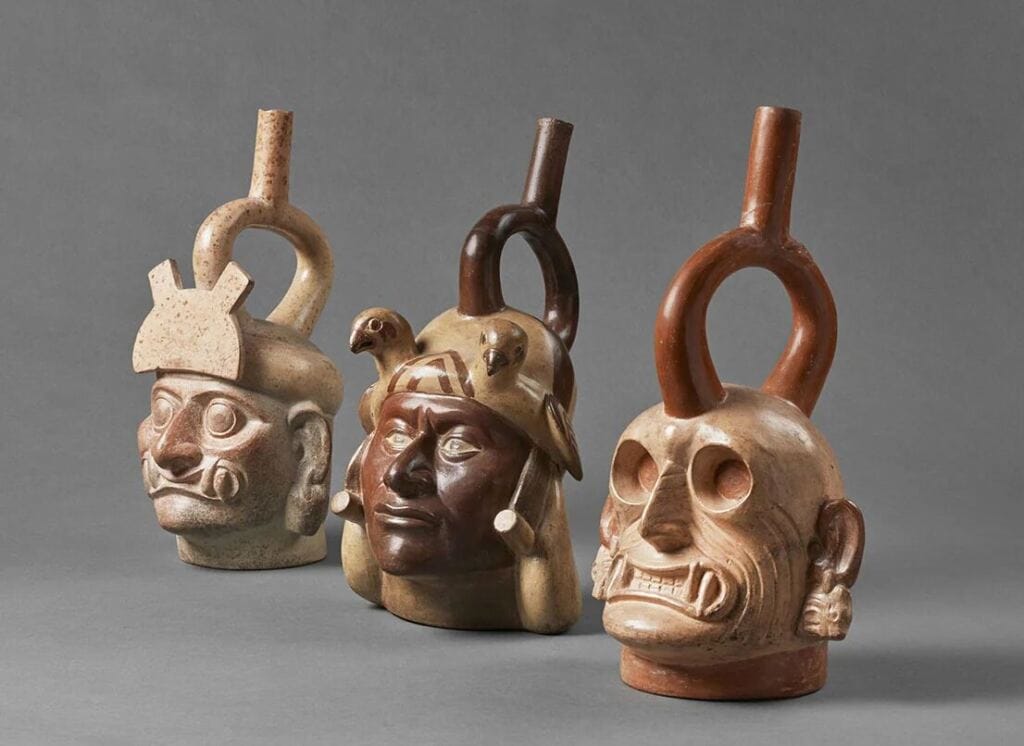
The Moche civilization, located on the north coast of Peru, left behind a rich artistic and architectural legacy. They were skilled in ceramics, producing detailed and expressive pottery depicting scenes of everyday life, rituals, and warfare. The Moche also constructed elaborate adobe pyramids, decorated with colorful murals showcasing their social hierarchy and religious ceremonies.

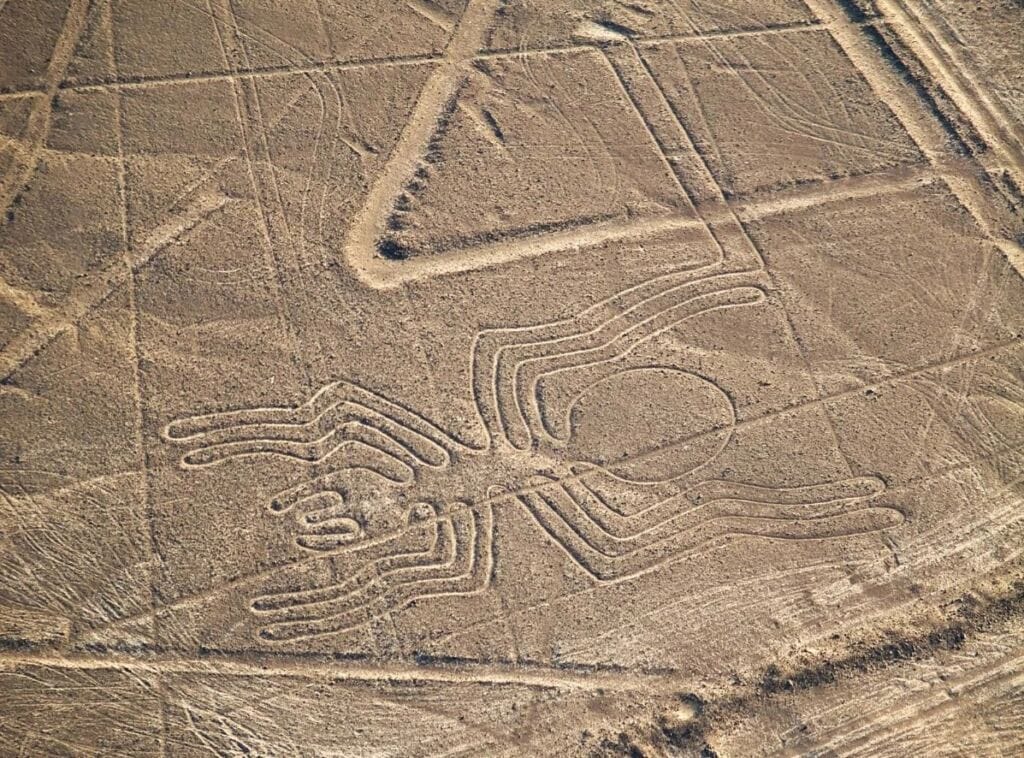
The Nazca civilization, famous for their enigmatic Nazca Lines, inhabited the arid coastal region of southern Peru. These massive geoglyphs, created by removing the desert’s top layer to reveal lighter-colored soil underneath, depict various animals, plants, and geometric shapes. The purpose of the Nazca Lines remains a subject of speculation, ranging from astronomical and ceremonial significance to irrigation and fertility rituals.

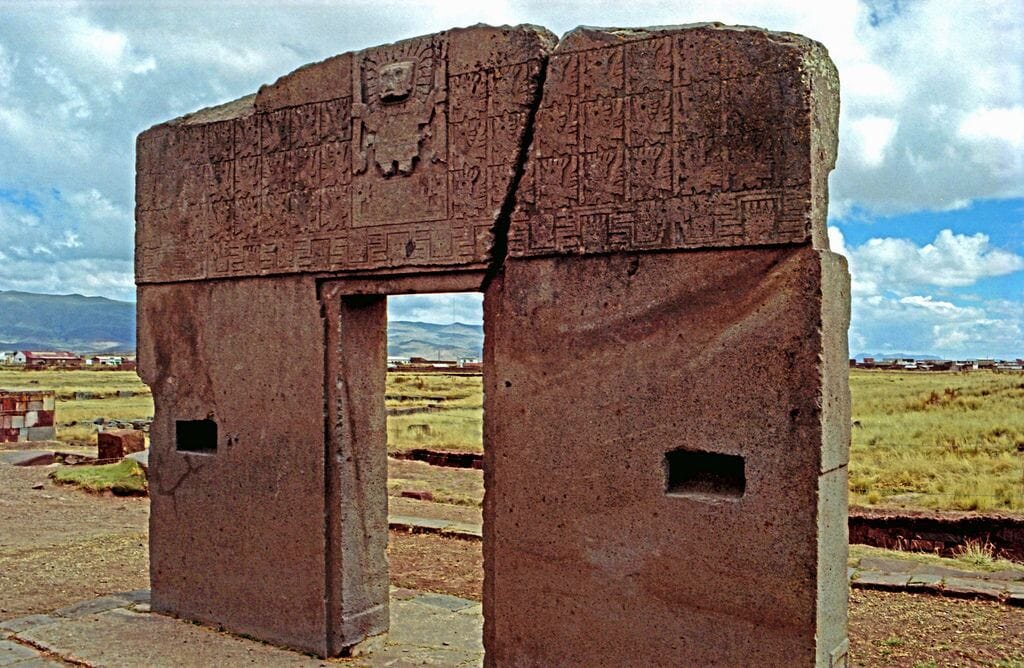
The Tiwanaku civilization, centered around Lake Titicaca in Bolivia, was known for its impressive stone architecture and intricate stonework. The iconic Gateway of the Sun, adorned with intricate carvings, stands as a testament to their artistic and engineering skills. The Tiwanaku people developed advanced agricultural systems, including raised field platforms and canals, to cultivate crops in the challenging highland environment.

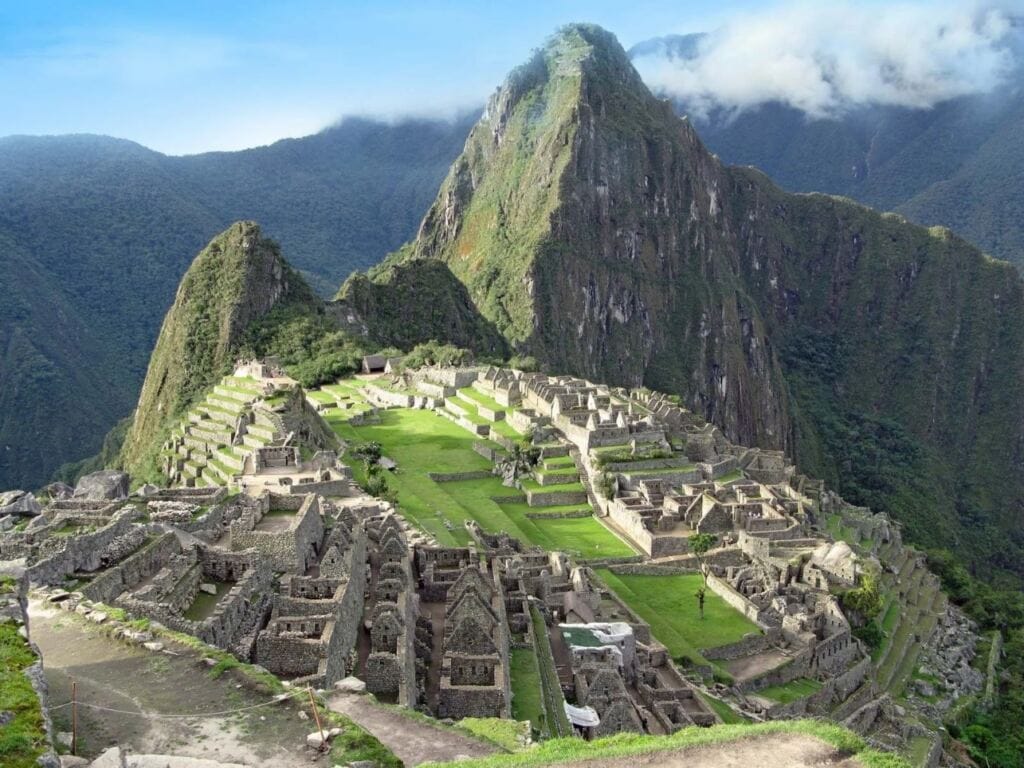
The Inca Empire, the largest and most well-known civilization in Pre-Columbian South America, spanned an extensive territory, encompassing present-day Peru, Ecuador, Bolivia, Chile, and parts of Colombia and Argentina. The Incas were masterful engineers, constructing elaborate road networks, suspension bridges, and impressive agricultural terraces. Their capital city, Cusco, boasted magnificent stone temples and palaces, while Machu Picchu stands as an architectural marvel hidden amidst the Andean mountains.

II. The remarkable achievements and enduring legacy of the Inca civilization

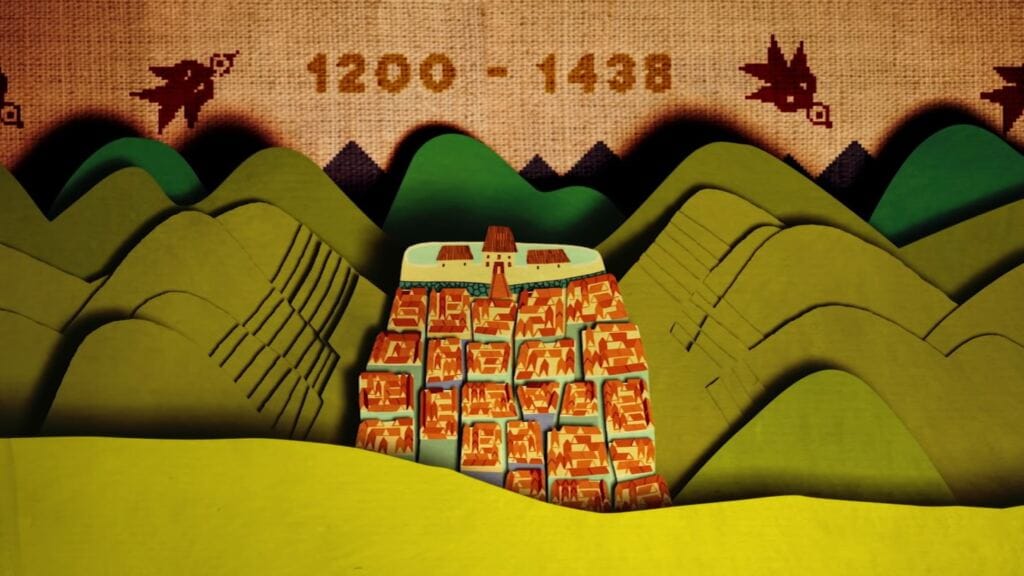
The Inca civilization, nestled high in the Andes Mountains of South America, is renowned for its awe-inspiring architecture, ingenious engineering, and sophisticated governance. The Inca Empire thrived from the 13th to the 16th century, encompassing a vast territory that stretched across modern-day Peru, Ecuador, Bolivia, and parts of Chile and Argentina. Rising from humble beginnings in the Cusco region, the Inca civilization expanded through military conquest and skillful diplomacy. Their empire reached its peak under the reign of Emperor Pachacuti, who transformed the Incas into a formidable force.

1. Inca Society and Culture

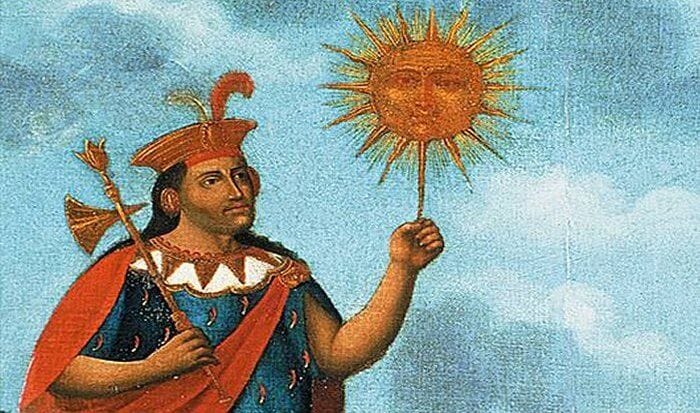
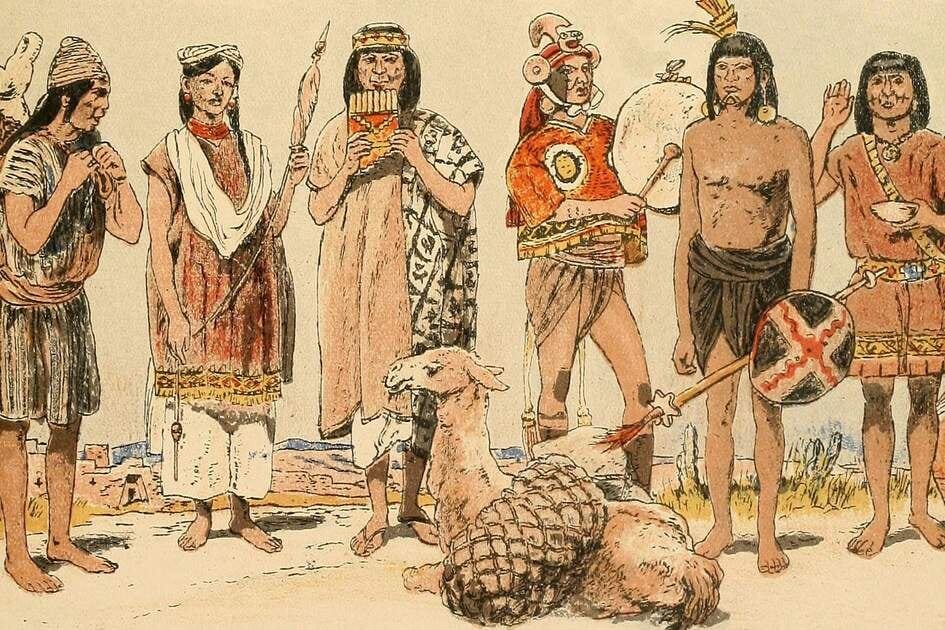
The Inca society was highly structured, with the ruler, known as the Sapa Inca, at its pinnacle. Below the Sapa Inca were the nobility, followed by commoners and, at the base of the social hierarchy, the slaves. The Incas had a distinct Quechua language and revered Inti, the Sun God, as their primary deity. They engaged in elaborate rituals and worshiped sacred sites to ensure the prosperity of their empire.

2. Inca Engineering and Architecture

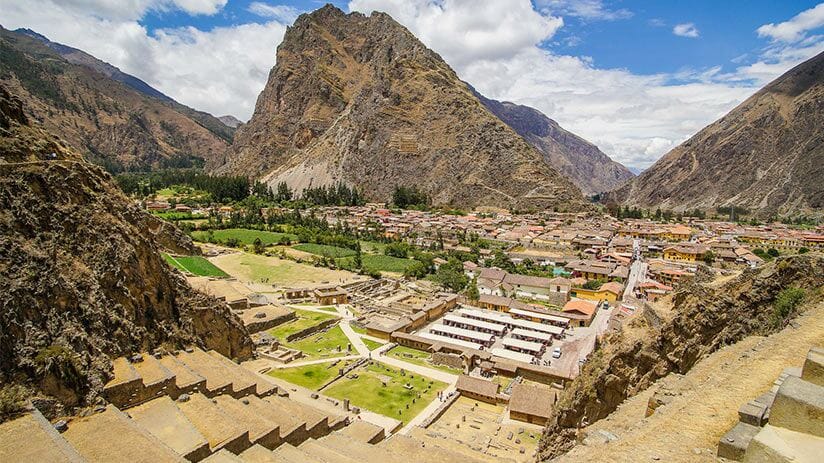
The Incas’ architectural achievements are truly astonishing. They meticulously constructed cities, temples, and fortresses using massive stones fitted together without mortar. The magnificent citadel of Machu Picchu, perched high in the Andes, stands as a testament to their engineering prowess. Other architectural marvels include Sacsayhuaman, known for its colossal stone walls, and Ollantaytambo, a strategically designed fortress and ceremonial center.

3. Inca Agriculture and Terracing

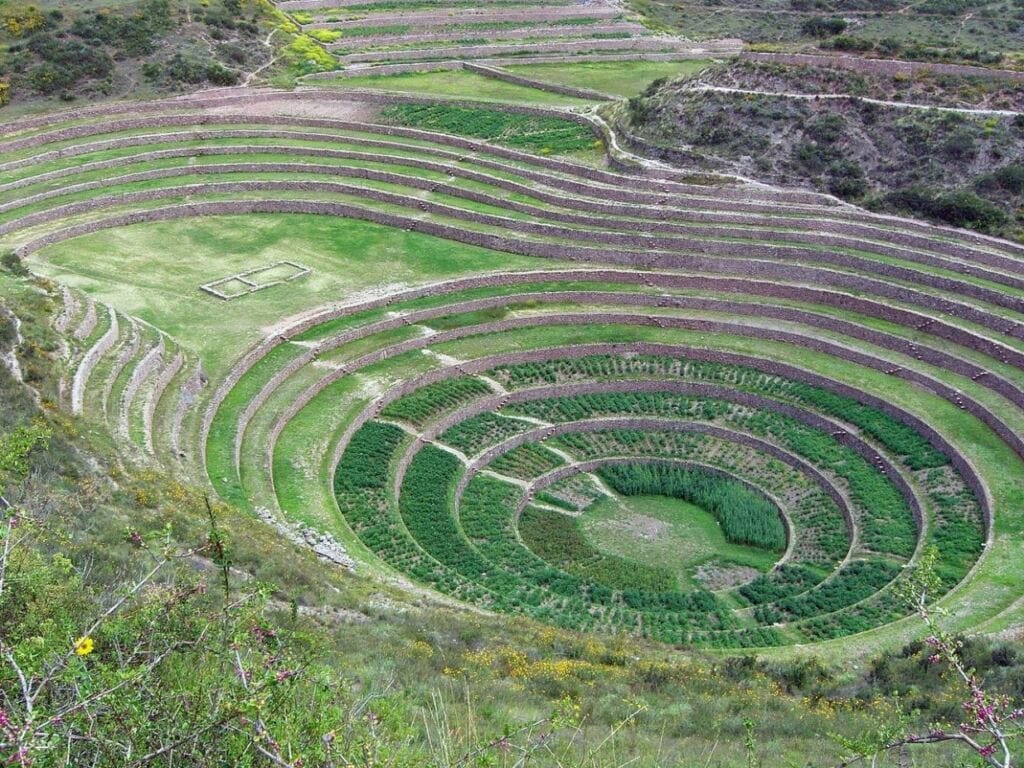
In the challenging terrain of the Andes, the Incas developed innovative agricultural techniques to sustain their empire. They built extensive terraces on mountainsides, enabling cultivation at different altitudes and minimizing erosion. The Incas cultivated a diverse range of crops, including maize, potatoes, quinoa, and beans, showcasing their mastery of high-altitude farming.

4. Inca Governance and Administration

The Inca Empire boasted a centralized governance system. The Sapa Inca held absolute power and was revered as a divine ruler. To govern efficiently, the Incas divided their territory into administrative units and appointed officials to oversee various regions. The Mit’a labor system ensured the mobilization of the workforce for public projects and agricultural tasks, contributing to the empire’s prosperity.

FAQs

1. What were the Incas known for?

The Incas are known for their impressive architecture, including Machu Picchu and other monumental structures. They were also skilled engineers and builders, and they constructed an extensive road network and suspension bridges. The Incas were also masters of high-altitude agriculture, and they developed innovative techniques to cultivate crops in the challenging Andean environment.

2. How did the Inca Empire end?

The Inca Empire ended in the early 16th century when the Spanish conquistadors arrived in South America. The Spanish quickly conquered the Incas, bringing an end to their empire.

3. What is the legacy of the Inca Empire?

The legacy of the Inca Empire continues to thrive in South America today. Inca culture and traditions are still celebrated by indigenous peoples in the region, and Inca architecture and engineering continue to inspire and amaze people around the world.

Conclusion

The Inca civilization was one of the most remarkable and influential civilizations in the Americas. Their achievements in architecture, engineering, agriculture, governance, and culture are still admired and studied today. The Incas were masters of their environment, and they developed innovative solutions to the challenges of living in the Andes Mountains. Their legacy continues to inspire and amaze people around the world.

Upgrade Plan

Sign up for our fortnightly newsletter with the best travel inspirations.

Monthly
Yearly

Simple Start Plan

Online Self-Education
  • Simple Start includes:
  • (25) Prepaid Tutorial Hours
  • Grade-Level Course Organization
  • Coursework Management Tools
  • Interactive User Reports
  • End-User Support Ticketing Tool
  • Calendar-Booking integration
  • Zoom integration
$179/Month

Essential Plan

Asynchronous Online Learning
  • Everything in Simple Start, plus:
  • (50) Prepaid Tutorial Hours
  • Access to Virtual Classroom
  • Live Chat and Direct Messaging
  • Email Communication
  • Group Discussion Board
  • Social Learning Features
  • Notebook Functionality
$279/Month

Simple Start Plan

Online Self-Education
  • Simple Start includes:
  • (25) Prepaid Tutorial Hours
  • Grade-Level Course Organization
  • Coursework Management Tools
  • Interactive User Reports
  • End-User Support Ticketing Tool
  • Calendar-Booking integration
  • Zoom integration
$1,800/Year

Essential Plan

Asynchronous Online Learning
  • Everything in Simple Start, plus:
  • (50) Prepaid Tutorial Hours
  • Access to Virtual Classroom
  • Live Chat and Direct Messaging
  • Email Communication
  • Group Discussion Board
  • Social Learning Features
  • Notebook Functionality
$2,800/Year

Testimonial

Kindly Submit your Testimonial