Lesson 2 – Purpose of Art
Introduction
Art has changed in purpose from prehistoric to modern times, reflecting and impacting changes in society. Come along as we explore the timeless significance of art—its ability to inspire, provoke contemplation, and influence cultural narratives. Let’s explore the significant effects that art has had, both historically and currently, on our world.

I. History
1. Prehistoric and Classical Art Movements
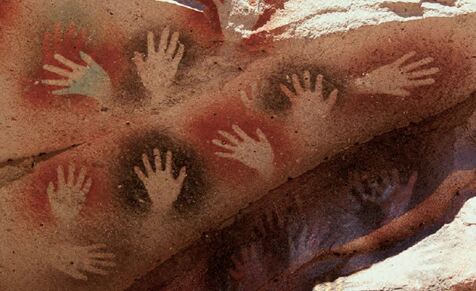
1.1. Prehistoric Art (30,000 BC – 1,300 BC)
- Art served a supernatural, transcendent purpose.
- Shamans acted as the first artists, translating messages from the "transcendental other."
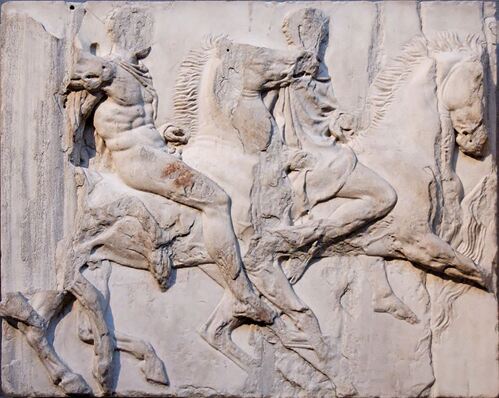
1.2. Ancient Greek and Roman Art (800 BC – 100 AD)
- Rise of naturalism and figurative portrayal.
- Artists considered channels for messages from higher consciousness.
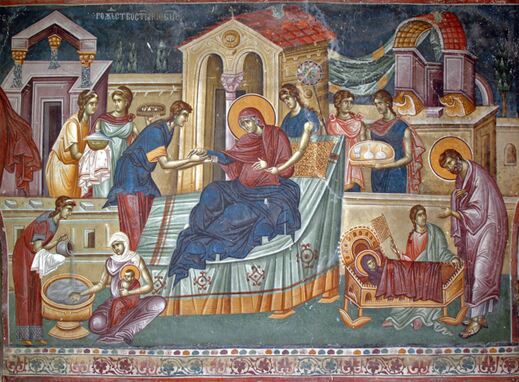
1.3. Early Christian and Byzantine Art (4th – 15th Century)
- Depiction of Christian tradition.
- Art is seen as a means to communicate directly with God.
1.4. The Middle Ages (6th – 11th Century)
- Incorporation of pagan motifs into Christian art.
- Manuscript illustration served a missionary purpose.
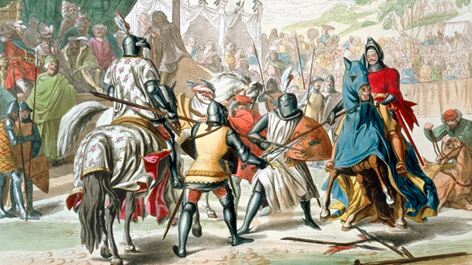
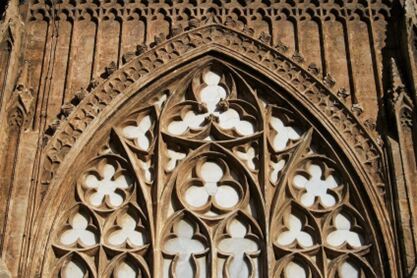
1.5. Romanesque and Gothic Art (10th – 14th Century)
- Architecture is used to convey the magnitude and power of the Christian God.
- Art served both religious and political purposes.
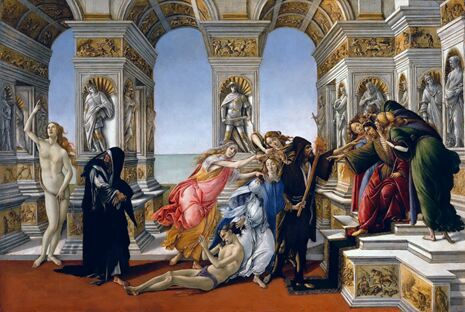
1.6. The Renaissance (1300 – 1600)
- Shift towards realism, centered on humanity and logic.
- Documented and spread the new humanist worldview.
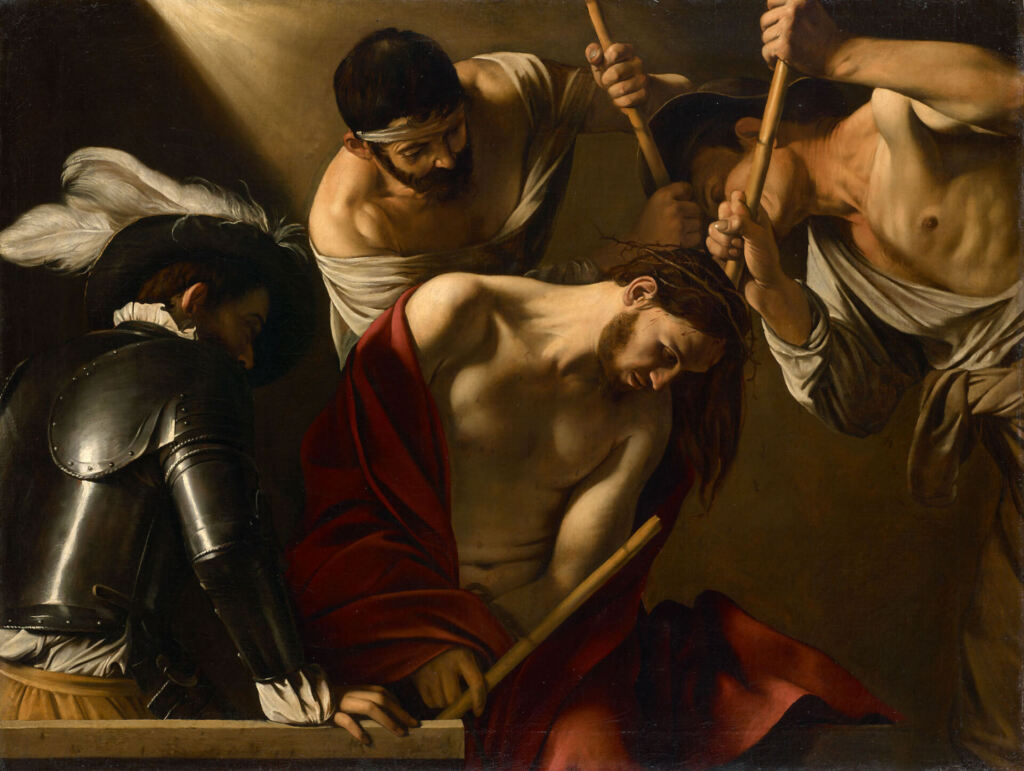
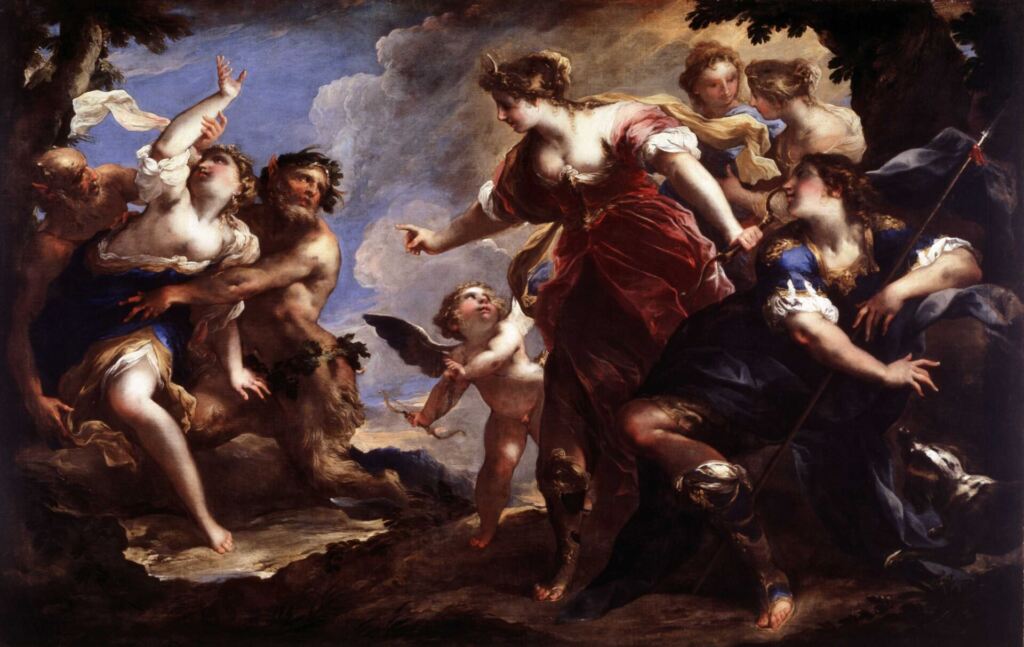
1.7. Baroque Art (1600 – 1700)
- Extreme use of chiaroscuro to evoke emotions.
- Shift in art's function from logical to emotional.
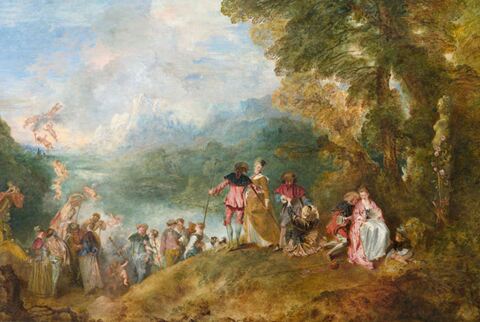
1.8. Rococo (1700 – 1780)
- Lighter depiction, curved lines.
- Depicted fun and frivolous activities, reflecting the values of governing powers.
1.9. Neoclassicism (1750 – 1820)
- Attempted to recapture the morals and spiritual values of ancient Greece and Rome.
- Influenced by Enlightenment ideals, forming a new outlook on the classical world.
2. 19th Century Art
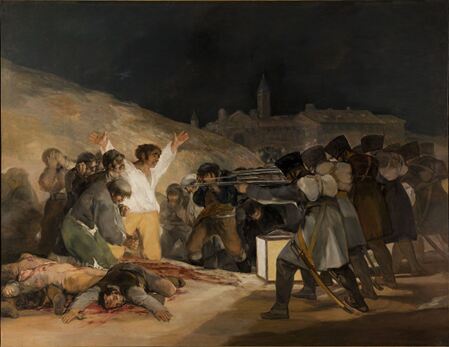
2.1. Romanticism (1780 – 1850)
- Embrace individualism and imagination
- Francisco de Goya's "The Third of May 1808" illustrates Romantic themes
- Shift from Neoclassical rationalism to emotional expression
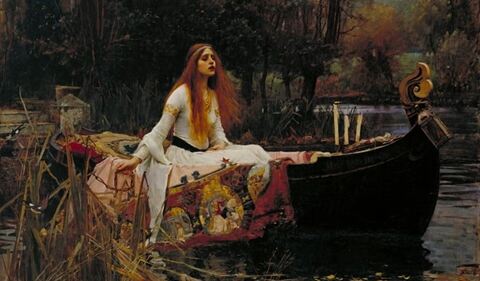
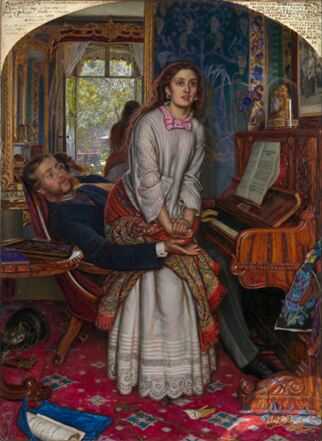
2.2. Pre-Raphaelite Movement (1848 – 1900)
- Reaction against Royal Academy restrictions
- Meticulous attention to detail, inspired by Italian art before Raphael
- William Holman Hunt's "The Awakening Consciousness" exemplifies dedication to accuracy.
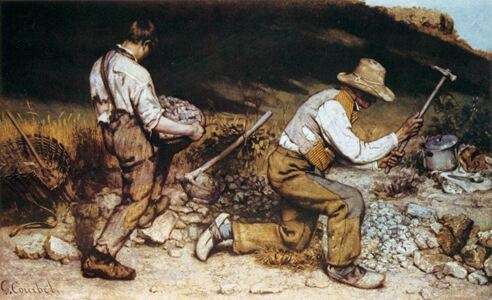
2.3. Realism (1850 – 1900)
- Rejection of mythical and historical depictions
- Gustave Courbet's "The Stonebreakers" reflects realistic style
- Focus on capturing scenes of real life with bold lines and a somber palette
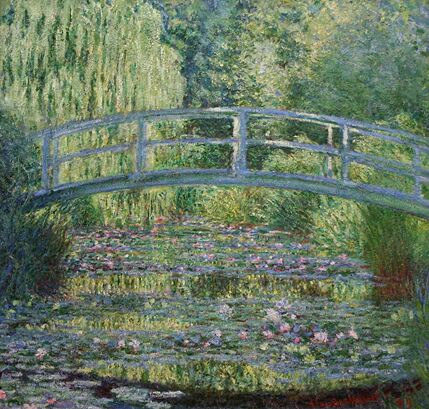
2.4. Impressionism (1860 – 1900)
- Break from academic constraints, emphasis on light effects
- Modernization and the Industrial Revolution influenced new subjects
- Claude Monet's "The Waterlily Pond, Green Harmony" showcases Impressionist characteristics
2.5. Post-Impressionism (1885 – 1905)
- Reaction against traditional scene painting
- Experimentation with brushstroke techniques and varied styles
- Gauguin and van Gogh draw inspiration from non-Western sources
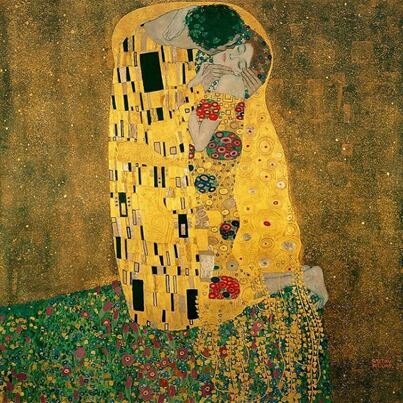
2.6. Symbolism (1875 – 1910)
- Reaction to modern materialism
- Exploration of imagination, emotions, and mystical ideas
- Gustav Klimt's "The Kiss" exemplifies Symbolism's exploration of sensuality and death.
3. 20th Century Modern Art
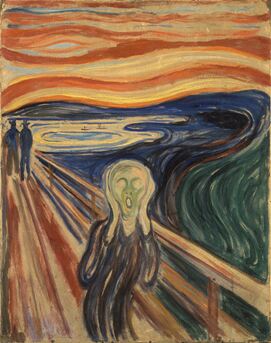
3.1. Expressionism (1895 – 1995)
- Emphasis on intense emotion, a departure from realism
- Fauvism uses bright colors with specific meanings
- Edvard Munch's "The Scream" symbolizes the breakdown of realistic depictions
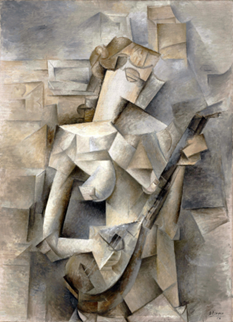
3.2. Cubism (1907 – 1920)
- Exploration of multiple perspectives simultaneously
- Influenced by photography, cars, and cinema
- Picasso and Braque capture change through geometric lines
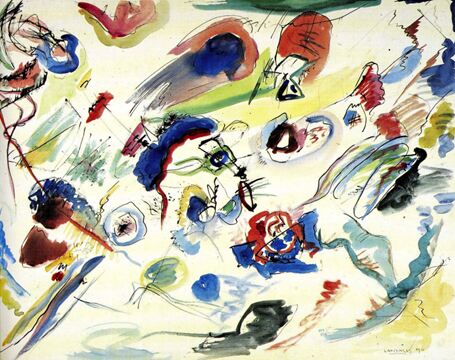
3.3. Abstract Art (1910 – 1940)
- Complete departure from real-life subjects
- Focus on the power of color, line, and form
- Wassily Kandinsky explores limitless artistic potential
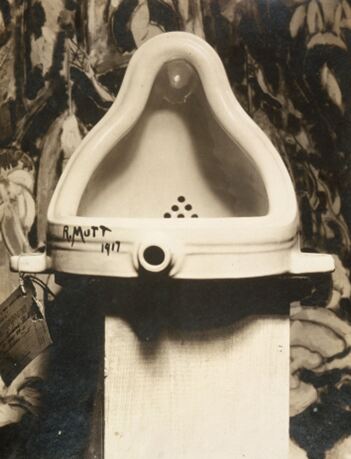
3.4. Dadaism (1915 – 1950)
- Protest against societal absurdity during World War I.
- Duchamp's "Fountain" challenges traditional art norms
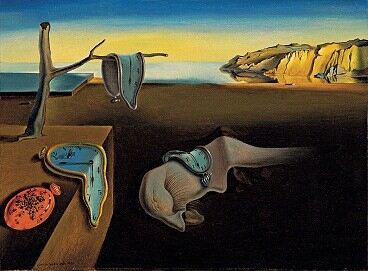
3.5. Surrealism (1915 – 1950)
- Exploration of the absurd and strange using Freudian psychology
- Emphasis on the unconscious mind and symbolism
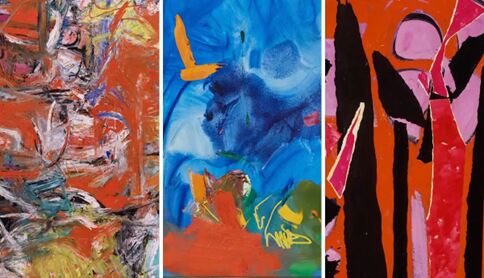
3.6. Abstract Expressionism (1940 – 1959)
- Improvised, expressive, and emotion-based art
- Influenced by Surrealism, especially in the post-World War II era
- Jackson Pollock contributes to uniquely American art
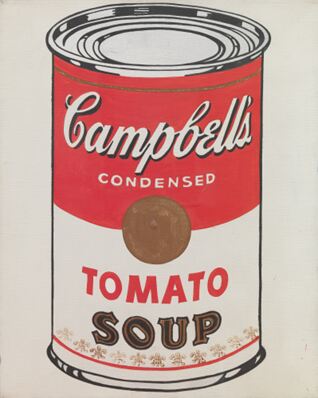
3.7. Pop Art (1950 – 1980)
- Break down barriers between fine art and popular culture
- Aim to make art accessible to everyone
- Andy Warhol's "Campbell's Soup Can (Tomato)" exemplifies Pop Art's challenge to traditional definitions
II. Value
The idea that there is value in art that goes beyond money has existed for ages. It is commonly acknowledged that the fact that artwork is produced by people with their thoughts, abilities, and feelings gives it value.
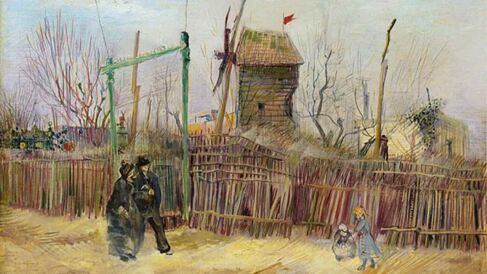
Creating value for the market and their work has always piqued the interest of artists. Artists utilize the work’s value to demonstrate their talent and originality. They strive to ensure that the public will find their artwork appealing and that it won’t be quickly forgotten. A useful technique for educating people about other cultures is the value of the arts.
Conclusion
As we come to the close of our investigation into “The Purpose of Art,” we have seen how art has shaped cultures and transcended aesthetics throughout history. Art inspires and reflects our collective awareness in addition to its aesthetic value. Let us preserve a more profound understanding of its lasting influence on the human condition.