


Lesson 2 – Financial Management Systems and Role of a Financial Manager
Introduction
The financial operations of a company rank among its most significant and intricate undertakings. Thus, a financial manager handles all necessary financial tasks to handle these activities.
I. Financial management system definition
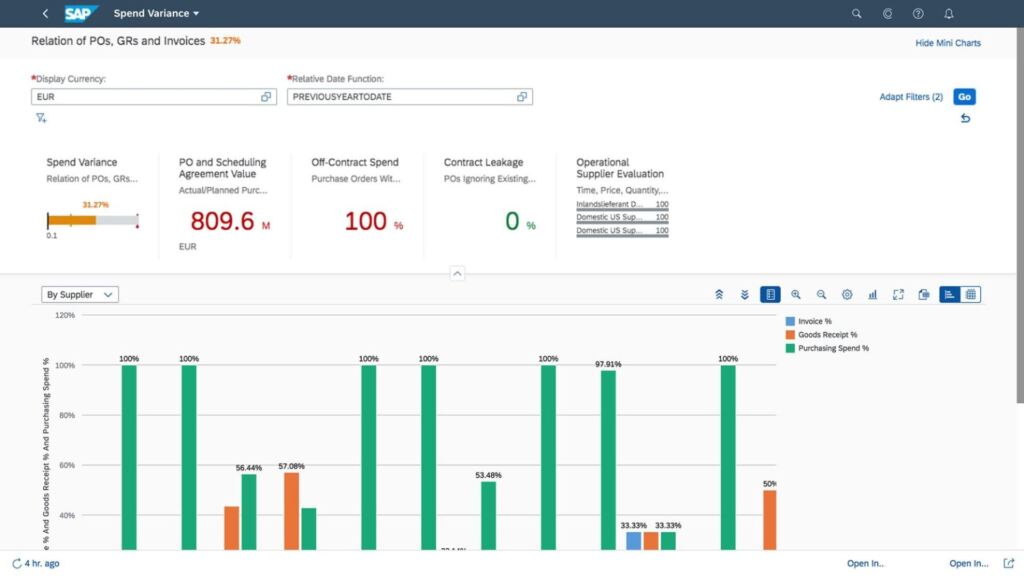
The software and procedures used to manage an organization’s assets, expenses, and income are known as financial management systems. Apart from facilitating day-to-day financial functions, the primary objective of a financial management system is to optimize earnings and guarantee the enduring viability of the business. They support financial groups by:
- ● Simplify the process of billing and invoicing.
- ● Improve cash flow on a daily, monthly, and annual basis.
- ● Keep track of audit trails and adhere to accounting rules.
- ● Minimize accounting errors and automate financial procedures.
- ● Improve planning, forecasting, and budgeting.
- ● Accelerate the closing and reporting of the finances.
An organization’s enterprise resource planning (ERP) system, which combines operational and financial data and gives teams a thorough understanding of the business, may include financial management software. An end-to-end financial management system can also be assembled from standalone financial apps. Cloud-based ERP and financial management software that can quickly scale to accommodate expansion and offer capabilities for various countries, languages, currencies, and regulations is becoming more and more popular among CFOs.
II. Role of a Financial Manager

An individual who oversees all significant financial operations inside an organization is known as a financial manager. To make sure that the money is used as effectively as possible, the person in charge needs to continue to be visionary.
His or her activities have a direct impact on the company’s growth, profitability, and reputation.
The indirect method of reporting begins with a statement of net profit or loss (from the income statement) and works backward, modifying the amounts of non-cash revenue and expense categories.
Following these non-cash adjustments, the remaining figure represents your cash generated through operations.
1. Fundraising
Enough cash and liquidity are essential for the business to pay its obligations. A company can raise capital through debt and equity.
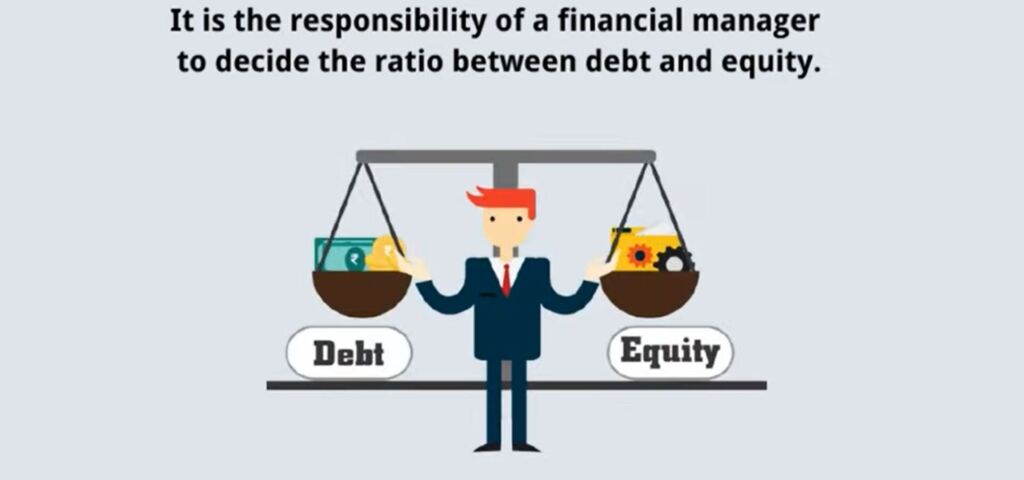
The financial manager is in charge of determining the debt-to-equity ratio. Keeping debt and equity in a healthy balance is crucial.
2. Fund Allocation
Allocating the cash is a crucial task that comes after they have been raised through various means.
The money should be distributed such that it is used as efficiently as possible. The following needs to be taken into consideration to allocate cash as effectively as feasible.
- ● The firm's size and potential for expansion
- ● The state of the assets, including their duration
- ● Method used to raise the funding
Other managerial actions are impacted by these financial decisions, both directly and indirectly. Thus, creating a suitable asset mix and allocating money effectively is among the most crucial tasks.
3. Profit Planning
A business organization’s primary goal is to make a profit.
Any organization needs to make a profit to survive and grow. Strategic use of the company’s earnings is referred to as profit planning.
Pricing, industry rivalry, the status of the economy, the mechanism of supply and demand, cost, and output are just a few of the variables that influence profit.
The profitability of the company can rise with a good balance between fixed and variable components of production.
The utilization of fixed factors of production, such as machinery and land, results in fixed costs. It is crucial to regularly value the depreciation cost of the fixed cost of production to maintain a tandem.
4. Understanding Capital Markets
On a stock exchange, securities are continuously bought and sold, including a company’s shares. Thus, one of a financial manager’s key responsibilities is to have a thorough understanding of the capital market.
There is a great deal of danger involved in trading securities on the stock market. Thus, a financial manager computes and comprehends the risk associated with this share and debenture trading.
How the profits are allocated is at the financial manager’s discretion. Many investors choose to make direct investments in the company to spur growth rather than receiving a dividend from the company from its shareholders.
The way the capital market operates is directly impacted by the actions of financial management.
Conclusion
To sum up, every company requires finance management. It could be paired with another company role or designated as such. Usually, they provide higher management with financial advice that will help the business. To put it simply, financial managers are accounting specialists in charge of running a company’s finances.