


Lesson 14 – The Concerns for DNA Technology
Introduction
DNA technology, with its vast potential and transformative capabilities, has brought significant advancements in various fields, from medicine to agriculture. While it offers promising solutions to many challenges, it also raises concerns regarding ethical considerations and safety. In this essay, we will explore the multifaceted nature of DNA technology, specifically focusing on its role in improving life, ethical implications, and the importance of safety measures. Understanding these concerns will equip eighth-grade students with a holistic view of DNA technology and encourage thoughtful engagement with its benefits and challenges.
I. Role of Recombinant DNA Technology to Improve Life
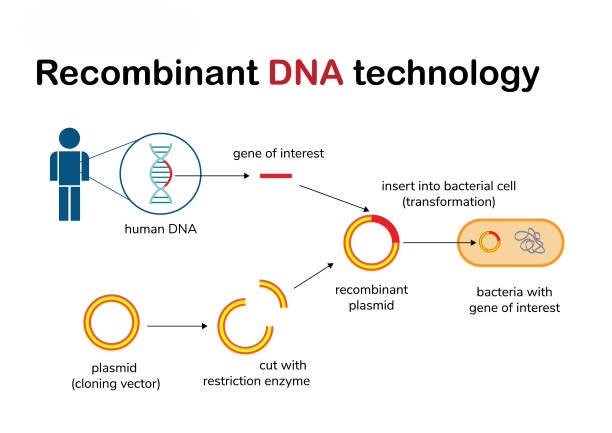
Recombinant DNA technology plays a pivotal role in improving human life in several ways. Let’s delve into some of its key contributions:
1. Advancements in Medicine
DNA technology has revolutionized the field of medicine, leading to breakthroughs in the diagnosis, treatment, and prevention of diseases. Recombinant DNA techniques have enabled the production of therapeutic proteins, such as insulin and growth factors, on a large scale. Gene therapy, which aims to correct genetic disorders by introducing functional genes, holds great promise for the treatment of various conditions.
2. Improved Agricultural Practices
Recombinant DNA technology has facilitated the development of genetically modified crops. By introducing genes with desirable traits, such as increased yield, resistance to pests or diseases, and enhanced nutritional content, DNA technology has the potential to address global food security challenges. Additionally, genetically modified crops can reduce the need for chemical pesticides, promoting sustainable agricultural practices.
3. Environmental Conservation
DNA technology plays a crucial role in environmental conservation efforts. Through DNA barcoding and genetic analysis, scientists can identify and monitor species in ecosystems, assess biodiversity, and understand the impacts of human activities on the environment. This information is essential for effective conservation planning and sustainable management of natural resources.
II. Ethical Implications
While the benefits of DNA technology are significant, it also raises important ethical considerations that must be carefully addressed. Here are a few ethical implications associated with DNA technology:
1. Genetic Engineering and Human Modification
The ability to manipulate genes raises ethical questions about the extent to which we should modify human genetics. The concept of “designer babies” and the potential for selecting specific traits can raise concerns about eugenics, inequality, and the erosion of natural diversity. It is essential to balance the potential benefits with the preservation of human dignity, autonomy, and societal values.
2. Informed Consent and Privacy
The collection and analysis of genetic information pose challenges to privacy and informed consent. The use of genetic data for research or commercial purposes raises questions about data ownership, protection, and potential misuse. Ensuring informed consent and implementing robust privacy policies are vital to protect individuals’ rights and maintain public trust.
3. Environmental Impact
The release of genetically modified organisms (GMOs) into the environment raises concerns about unintended consequences. While GMOs can provide benefits such as increased crop yield and pest resistance, their potential impact on ecosystems and biodiversity must be carefully evaluated. Safeguards should be in place to prevent the unintentional spread of modified genes and the potential disruption of natural ecosystems.
III. Importance of Safety Measures
Addressing the concerns surrounding DNA technology requires robust safety measures to minimize risks and ensure responsible use. Here are key aspects of safety in DNA technology:
1. Containment and Biosafety
Laboratories working with DNA technology should adhere to strict containment protocols to prevent accidental release of genetically modified organisms or the spread of modified genes in the environment. Biosafety measures, such as physical barriers, containment facilities, and proper waste management, are essential to minimize potential risks.
2. Risk Assessment and Regulation
Effective risk assessment procedures should be in place to evaluate the potential hazards and benefits associated with DNA technology applications. Regulatory frameworks must ensure the responsible development and deployment of DNA-based products, considering ethical, environmental, and safety considerations.
3. Continuous Monitoring and Evaluation
Ongoing monitoring and evaluation of DNA technology applications are crucial to identify and address any unforeseen risks or adverse effects. This includes long-term surveillance of genetically modified organisms and their interactions with ecosystems, as well as regular review and updating of safety protocols and regulations.
Conclusion
DNA technology holds immense promise for improving human life, but it also brings forth significant concerns that demand careful attention. By understanding the role of recombinant DNA technology in enhancing medicine, agriculture, and environmental conservation, eighth-grade students can appreciate its potential benefits. Equally important is acknowledging the ethical implications associated with genetic engineering and the need to protect privacy, ensure informed consent, and uphold societal values. Implementing robust safety measures, including containment, risk assessment, and continuous monitoring, is essential for responsible and sustainable application of DNA technology. By promoting a balanced approach that combines progress and responsibility, we can harness the potential of DNA technology for the betterment of humanity while addressing the concerns it raises.