


Lesson 13 – How to Effectively Apply DNA Technology
Introduction
DNA technology has revolutionized the field of biology, allowing scientists to manipulate and study the building blocks of life. This powerful tool, also known as genetic engineering or recombinant DNA technology, enables us to modify the genetic material of organisms to achieve specific outcomes. In this essay, we will explore the key aspects of DNA technology, including the concept of recombinant DNA, the procedures involved, and its wide-ranging applications. By understanding how DNA technology works and its potential applications, eighth-grade students can appreciate the significance of this field and its impact on various industries.
Applications of Recombinant DNA Technology
I. Recombinant DNA: Unlocking Genetic Potential
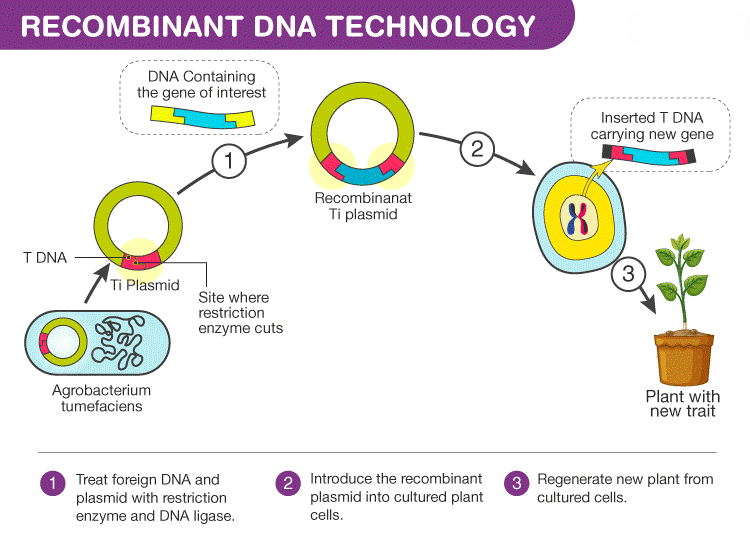
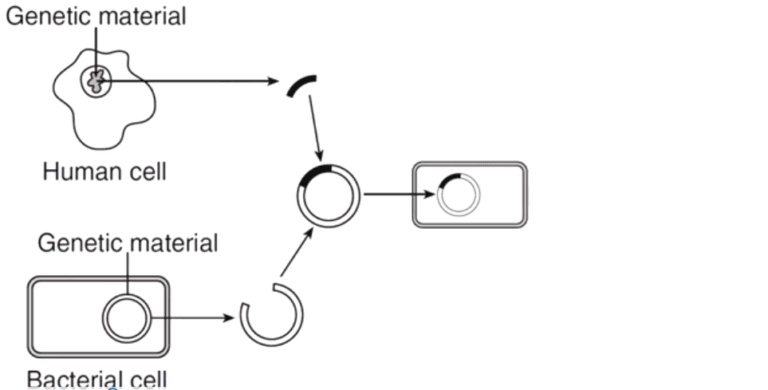
Recombinant DNA is a technique that involves the combination of DNA from different sources to create new genetic sequences. This process allows scientists to introduce desirable traits into organisms or modify existing ones. Here are the primary components of recombinant DNA technology:
1. DNA: The Blueprint of Life:
Deoxyribonucleic acid (DNA) is the molecule that carries genetic information in all living organisms. It consists of a double helix structure made up of nucleotide building blocks. The specific sequence of nucleotides determines the genetic code and the traits of an organism.
2. Restriction Enzymes:
Restriction enzymes are proteins that can cut DNA at specific recognition sequences. These enzymes act as molecular scissors, allowing scientists to manipulate DNA precisely. By cutting DNA at specific locations, scientists can isolate desired genes or create fragments for recombination.
3. DNA Ligase:
DNA ligase is an enzyme that can join DNA fragments together. It acts like a molecular glue, sealing the gaps created by restriction enzymes. DNA ligase plays a crucial role in the creation of recombinant DNA molecules by joining different DNA fragments to form a new genetic sequence.
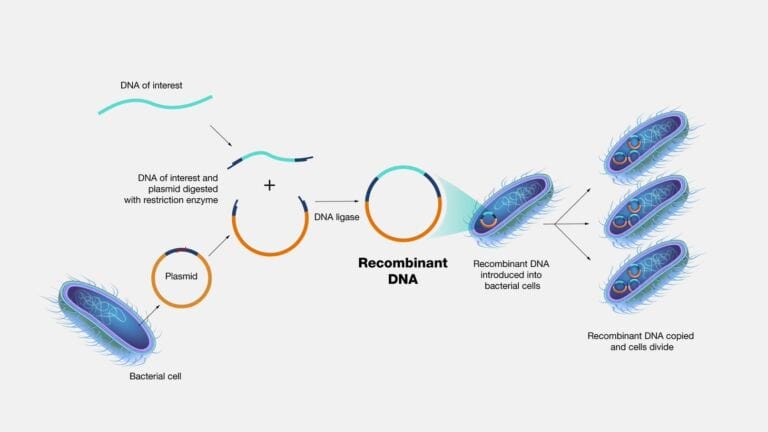
Figure: Recombinant DNA
II. Procedure: The Steps in DNA Technology
Applying DNA technology involves a series of steps that allow scientists to manipulate and analyze genetic material. Let’s examine the key procedures involved:
1. Isolation of DNA:
The first step in DNA technology is to isolate DNA from the desired organism or source. This can be done by breaking open cells and separating the DNA from other cellular components. Various methods, such as cell lysis and DNA extraction kits, are employed for efficient DNA isolation.
2. Cutting DNA with Restriction Enzymes:
Once the DNA is isolated, specific DNA sequences can be targeted using restriction enzymes. These enzymes recognize and cut DNA at specific recognition sites. The DNA fragments produced can be further manipulated or used for recombination.
3. Creating Recombinant DNA:
The DNA fragments obtained from different sources can be combined and ligated together using DNA ligase. This process creates recombinant DNA molecules, which may contain genes from multiple organisms. Recombinant DNA can be used to introduce new traits into organisms or study specific genes.
4. Transformation:
Transformation involves introducing the recombinant DNA into a host organism, such as bacteria or plants. This is typically achieved through methods such as heat shock, electroporation, or using specialized vectors. The host organism then replicates the recombinant DNA, allowing it to express the desired genes.
5. Screening and Selection:
After transformation, scientists use various techniques to identify organisms that have successfully incorporated recombinant DNA. This may involve selecting organisms that exhibit specific traits or using genetic markers to identify those with the desired genetic modification.
III. Applications of DNA Technology:
DNA technology has a wide range of applications in various fields. Here are a few notable examples:
1. Biotechnology and Medicine:
DNA technology has revolutionized the production of therapeutic proteins, such as insulin and growth factors, through the use of genetically modified organisms. It has also enabled the development of gene therapy, which aims to treat genetic disorders by introducing functional genes into patients’ cells. Additionally, DNA technology plays a crucial role in disease diagnosis, forensic analysis, and personalized medicine.
2. Agriculture and Food Production:
Genetically modified crops have been developed to exhibit desirable traits such as increased yield, pest resistance, and improved nutritional value. DNA technology allows scientists to introduce genes from different organisms into crops, enhancing their characteristics and improving food production. It also enables the identification and detection of genetically modified organisms (GMOs) in the food supply chain.
3. Environmental Applications:
DNA technology is used in environmental monitoring and conservation efforts. Scientists can analyze DNA from environmental samples, such as water or soil, to identify species, assess biodiversity, and monitor ecosystem health. This information is valuable for conservation planning and understanding the impact of human activities on the environment.
4. Forensic Science:
DNA technology has transformed forensic science by providing powerful tools for identifying individuals. DNA profiling, also known as DNA fingerprinting, uses specific regions of an individual’s DNA to create a unique genetic profile. This technique is extensively used in criminal investigations, paternity testing, and identifying human remains.
Conclusion
DNA technology has revolutionized the field of biology, enabling scientists to unlock the secrets of life and apply that knowledge in various fields. By understanding the concept of recombinant DNA, the procedures involved, and the diverse applications, eighth-grade students can appreciate the significance of this technology. From improving healthcare to enhancing food production and conserving the environment, DNA technology offers endless possibilities for scientific advancements. As future scientists and informed individuals, it is essential to grasp the potential and ethical considerations surrounding DNA technology. Embracing this powerful tool will allow us to shape the future and contribute to the betterment of society.