


Lesson 5 – Effects of European Colonization in America
Introduction
European powers embarked on voyages of exploration and colonization, which forever transformed the Americas. In this lesson, we will explore the far-reaching consequences of European colonization, including cultural clashes, territorial expansion, economic transformations, and the lasting impact on indigenous populations. Let’s delve into this significant chapter in history!
I. Christopher Columbus and Native Americans
Christopher Columbus is widely known for his role in the European exploration of the Americas. However, his encounters with Native Americans and the subsequent impact on their lives are complex and controversial. In this article, we will explore the relationship between Christopher Columbus and Native Americans, shedding light on the consequences of their interactions.
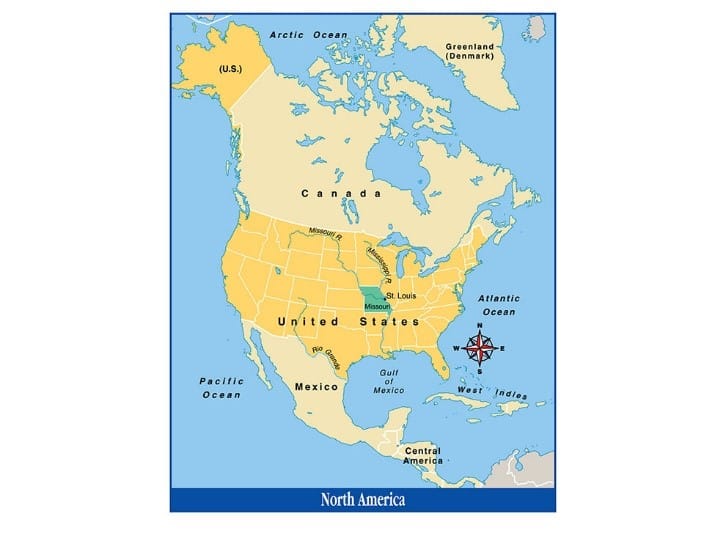
Arrival in the New World:
On October 12, 1492, Christopher Columbus arrived in the Caribbean, believing he had reached the East Indies. This marked the beginning of European contact with the indigenous peoples of the Americas. Columbus encountered the Taíno people in present-day Bahamas and later interacted with various Native American groups in his subsequent voyages.
Initial Interactions:
Initially, Columbus’s interactions with the Native Americans were characterized by curiosity and exchange. He described the Taíno people as generous and friendly, noting their willingness to share resources and establish trade relations. However, Columbus also regarded them as subjects to be conquered and converted to Christianity.
Exploitation and Enslavement:
As European powers sought to exploit the resources and wealth of the New World, the treatment of Native Americans worsened. Columbus and subsequent European colonizers subjected Native Americans to forced labor, often through the encomienda system. Many Native Americans were enslaved, forced to work in mines and plantations under brutal conditions. These exploitative practices resulted in the decimation of indigenous populations due to harsh labor, disease, and displacement.
Impact on Native American Cultures:
The arrival of Columbus and subsequent colonization had a profound impact on Native American cultures. European diseases, to which Native Americans had no immunity, caused widespread devastation and population decline. Traditional ways of life were disrupted, and cultural practices were suppressed or lost as Native Americans faced forced assimilation into European norms and values. Land dispossession and conflicts further eroded their cultural identity and autonomy.
Legacy and Historical Interpretations:
The legacy of Christopher Columbus’s interactions with Native Americans remains a topic of debate. While some view him as an explorer who opened the door to European settlement, others see him as a symbol of colonization, exploitation, and the oppression of indigenous peoples. Many indigenous communities and their allies advocate for recognizing the true impact of Columbus’s arrival, challenging the celebration of Columbus Day and instead promoting Indigenous Peoples’ Day as a way to honor Native American history and resilience.
Reevaluating History:
In recent years, there has been a growing movement to reevaluate the historical narrative surrounding Columbus and Native Americans. This includes a more critical examination of the consequences of colonization, the recognition of indigenous perspectives and experiences, and the promotion of cultural revitalization and indigenous rights. It is important to engage in respectful dialogue, learn from historical mistakes, and work towards reconciliation and justice.
In a nutshell, Christopher Columbus’s encounters with Native Americans marked a pivotal moment in world history, leading to significant and often devastating consequences for indigenous peoples. While Columbus’s voyages opened the door to European colonization, they also brought about the exploitation, enslavement, and cultural disruption of Native American communities.
II. The Effects of European Colonization in America
European colonization in America had profound and lasting effects on the continents and its people. The ambitious voyages of European explorers resulted in territorial expansion, cultural clashes, economic transformations, and irreparable consequences for indigenous populations.
1. Motives for European Colonization
European powers, such as Spain, Portugal, England, France, and the Netherlands, embarked on voyages of exploration and colonization with diverse motivations. Economic factors played a significant role, including the search for new trade routes to Asia and the desire to acquire valuable resources. Religious motivations were also prominent, as European powers sought to spread Christianity and establish their dominance over other faiths. Additionally, political and territorial ambitions drove the desire to expand empires and assert dominance in the global arena.
2. Cultural Clashes and Conflicts
The arrival of European colonizers brought them into contact with indigenous populations, leading to cultural clashes and conflicts. These encounters often involved significant differences in language, customs, and beliefs. The clash of worldviews and practices resulted in misunderstandings, hostilities, and violence. The Spanish conquests in the Americas, such as the fall of the Aztec and Inca civilizations, stand as stark examples of the cultural clashes that unfolded during colonization. Similarly, the French and Indian War demonstrated the tensions between European powers and indigenous allies.
3. Territorial Expansion and Establishment of European Colonies
European colonization led to the establishment of colonies throughout the Americas. English, French, Spanish, and Dutch colonies were established, each leaving a distinctive mark on the regions they claimed. Indigenous populations faced displacement and loss of land rights as European powers expanded their territories. The Treaty of Tordesillas, signed in 1494, divided the Americas between Spain and Portugal, shaping the colonial landscape and laying the foundation for subsequent conflicts and rivalries.
4. Economic Transformations
European colonization brought about significant economic transformations in America. The Columbian Exchange, the widespread exchange of plants, animals, and diseases between the Old and New Worlds, had a profound impact on global trade and agriculture. New crops, such as potatoes and maize, revolutionized food production, while diseases introduced by Europeans had devastating consequences for indigenous populations. Plantation economies, fueled by labor-intensive crops like sugar and tobacco, emerged, relying heavily on enslaved African labor brought through the transatlantic slave trade.
5. Impact on Indigenous Populations
The impact of European colonization on indigenous populations was deeply detrimental. Indigenous communities faced decimation due to the introduction of European diseases to which they had no immunity. Forced labor systems, such as the encomienda system and African slavery, subjected indigenous peoples to exploitation and mistreatment. Cultural assimilation efforts sought to erase indigenous languages, customs, and identities, resulting in the loss of rich cultural heritage.
6. Long-Term Consequences
The effects of European colonization in America continue to reverberate in modern times. The establishment of colonial societies led to the emergence of racial and social hierarchies, with Europeans and their descendants often occupying privileged positions. The lasting legacy of colonization includes systemic inequalities, land disputes, and ongoing efforts for justice and reconciliation. Acknowledging and addressing this legacy is crucial for promoting understanding, respect, and inclusivity in contemporary societies.
European powers, such as Spain, Portugal, England, France, and the Netherlands, embarked on voyages of exploration and colonization with diverse motivations. Economic factors played a significant role, including the search for new trade routes to Asia and the desire to acquire valuable resources. Religious motivations were also prominent, as European powers sought to spread Christianity and establish their dominance over other faiths. Additionally, political and territorial ambitions drove the desire to expand empires and assert dominance in the global arena.
The arrival of European colonizers brought them into contact with indigenous populations, leading to cultural clashes and conflicts. These encounters often involved significant differences in language, customs, and beliefs. The clash of worldviews and practices resulted in misunderstandings, hostilities, and violence. The Spanish conquests in the Americas, such as the fall of the Aztec and Inca civilizations, stand as stark examples of the cultural clashes that unfolded during colonization. Similarly, the French and Indian War demonstrated the tensions between European powers and indigenous allies.
European colonization led to the establishment of colonies throughout the Americas. English, French, Spanish, and Dutch colonies were established, each leaving a distinctive mark on the regions they claimed. Indigenous populations faced displacement and loss of land rights as European powers expanded their territories. The Treaty of Tordesillas, signed in 1494, divided the Americas between Spain and Portugal, shaping the colonial landscape and laying the foundation for subsequent conflicts and rivalries.
European colonization brought about significant economic transformations in America. The Columbian Exchange, the widespread exchange of plants, animals, and diseases between the Old and New Worlds, had a profound impact on global trade and agriculture. New crops, such as potatoes and maize, revolutionized food production, while diseases introduced by Europeans had devastating consequences for indigenous populations. Plantation economies, fueled by labor-intensive crops like sugar and tobacco, emerged, relying heavily on enslaved African labor brought through the transatlantic slave trade.
The impact of European colonization on indigenous populations was deeply detrimental. Indigenous communities faced decimation due to the introduction of European diseases to which they had no immunity. Forced labor systems, such as the encomienda system and African slavery, subjected indigenous peoples to exploitation and mistreatment. Cultural assimilation efforts sought to erase indigenous languages, customs, and identities, resulting in the loss of rich cultural heritage.
The effects of European colonization in America continue to reverberate in modern times. The establishment of colonial societies led to the emergence of racial and social hierarchies, with Europeans and their descendants often occupying privileged positions. The lasting legacy of colonization includes systemic inequalities, land disputes, and ongoing efforts for justice and reconciliation. Acknowledging and addressing this legacy is crucial for promoting understanding, respect, and inclusivity in contemporary societies.
FAQs
1. What were the motives for European colonization in America?
European powers embarked on voyages of exploration and colonization with diverse motivations, including economic factors, religious zeal, and political and territorial ambitions.
2. What were the cultural clashes and conflicts that occurred during European colonization?
The clash of worldviews and practices between European colonizers and indigenous populations led to misunderstandings, hostilities, and violence. The Spanish conquests in the Americas and the French and Indian War stand as stark examples of these cultural clashes.
3. How did European colonization lead to territorial expansion and the establishment of European colonies?
European powers expanded their territories in the Americas, establishing colonies with distinctive identities. The Treaty of Tordesillas divided the Americas between Spain and Portugal, shaping the colonial landscape and laying the foundation for subsequent conflicts and rivalries.
4. What were the economic transformations that occurred during European colonization?
The Columbian Exchange had a profound impact on global trade and agriculture, while plantation economies emerged, relying heavily on enslaved African labor brought through the transatlantic slave trade.
5. What was the impact of European colonization on indigenous populations?
European colonization had a devastating impact on indigenous populations, resulting in decimation due to disease, forced labor systems, and cultural assimilation efforts.
6. What are the long-term consequences of European colonization in America?
The establishment of colonial societies led to the emergence of racial and social hierarchies, with Europeans and their descendants often occupying privileged positions. The lasting legacy of colonization includes systemic inequalities, land disputes, and ongoing efforts for justice and reconciliation.
European powers embarked on voyages of exploration and colonization with diverse motivations, including economic factors, religious zeal, and political and territorial ambitions.
The clash of worldviews and practices between European colonizers and indigenous populations led to misunderstandings, hostilities, and violence. The Spanish conquests in the Americas and the French and Indian War stand as stark examples of these cultural clashes.
European powers expanded their territories in the Americas, establishing colonies with distinctive identities. The Treaty of Tordesillas divided the Americas between Spain and Portugal, shaping the colonial landscape and laying the foundation for subsequent conflicts and rivalries.
The Columbian Exchange had a profound impact on global trade and agriculture, while plantation economies emerged, relying heavily on enslaved African labor brought through the transatlantic slave trade.
European colonization had a devastating impact on indigenous populations, resulting in decimation due to disease, forced labor systems, and cultural assimilation efforts.
The establishment of colonial societies led to the emergence of racial and social hierarchies, with Europeans and their descendants often occupying privileged positions. The lasting legacy of colonization includes systemic inequalities, land disputes, and ongoing efforts for justice and reconciliation.
Conclusion
European colonization in America was a complex and transformative process with far-reaching consequences. While it brought about territorial expansion, economic transformations, and cultural exchanges, it also resulted in the exploitation and oppression of indigenous peoples. The legacy of colonization continues to shape the Americas today, highlighting the importance of acknowledging and addressing its impact in order to build a more just and equitable future.