


Lesson 2 – Mesoamerican Civilizations
Introduction
The Mesoamerican civilizations were a group of remarkable cultures that thrived in the region known as Mesoamerica, encompassing parts of modern-day Mexico, Guatemala, Belize, Honduras, and El Salvador. Spanning several millennia, these civilizations left a profound impact on the Americas through their advancements in various fields. In this article, we will delve into the captivating history of the Olmec, Maya, Aztec, and Zapotec civilizations, highlighting their remarkable achievements and enduring legacies.
I. The Olmecs to Cortes
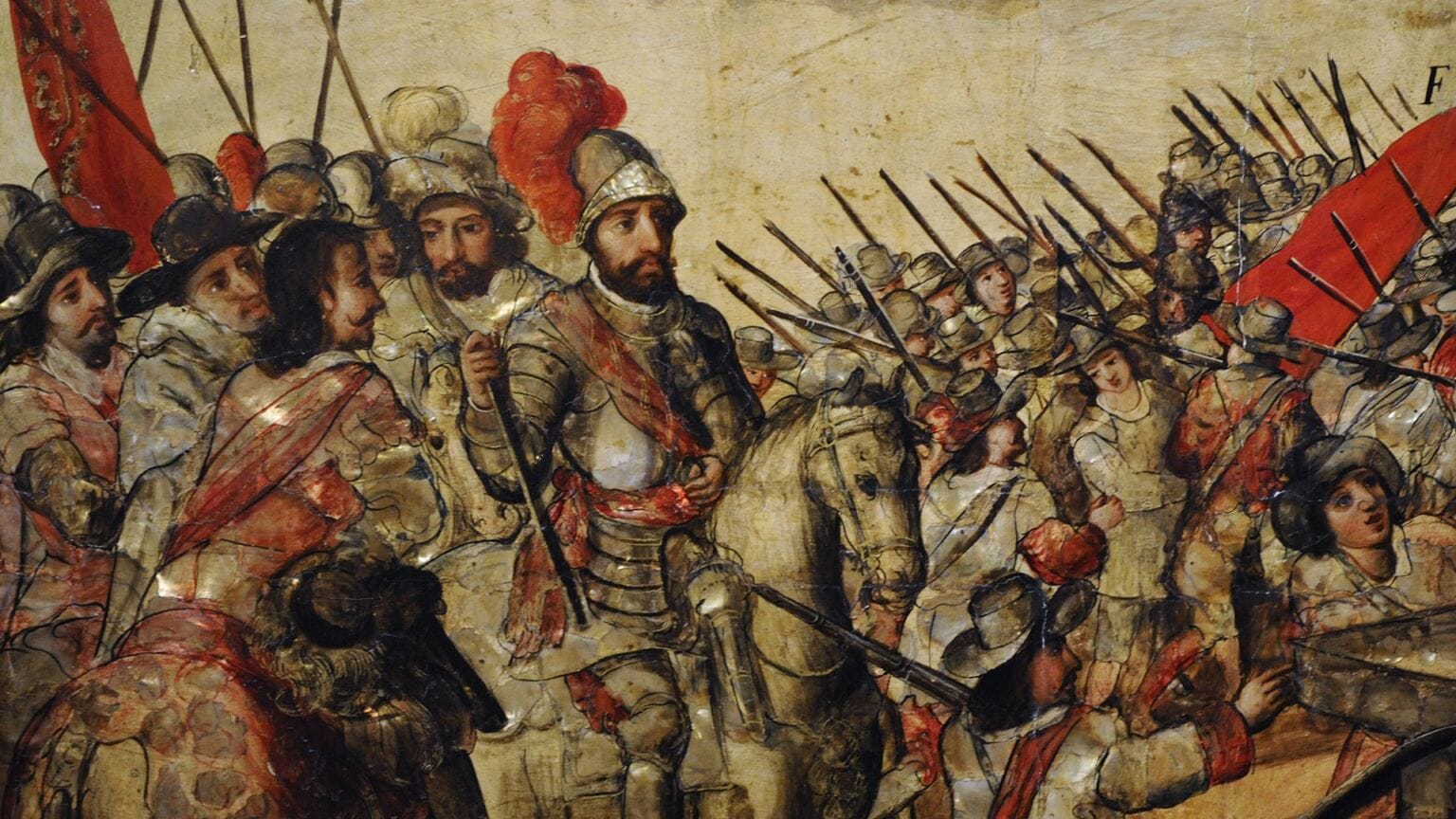
From the enigmatic Olmecs to the arrival of Hernán Cortés, Mesoamerica witnessed the rise and fall of remarkable civilizations. The Olmecs paved the way for the development of advanced societies in the region, while the Maya showcased astonishing achievements in science, mathematics, and architecture. The Aztecs established a powerful empire that succumbed to the Spanish conquest, leading to the colonization and transformation of Mesoamerica. Today, the legacy of these ancient civilizations serves as a testament to the cultural richness and intellectual prowess of Mesoamerican peoples.
1. The Olmecs: Ancient Innovators (1200 BCE - 400 BCE)
The Olmecs, who inhabited the southern Gulf Coast of Mexico, were the earliest known complex society in Mesoamerica. They were renowned for their unique artistic style, monumental architecture, and religious practices. The Olmecs developed a hieroglyphic writing system and a complex calendar, demonstrating their intellectual prowess. Their influence can be seen in subsequent Mesoamerican cultures, as they laid the groundwork for future civilizations.
2. The Maya: Masters of Time and Knowledge (2000 BCE - 1500 CE)
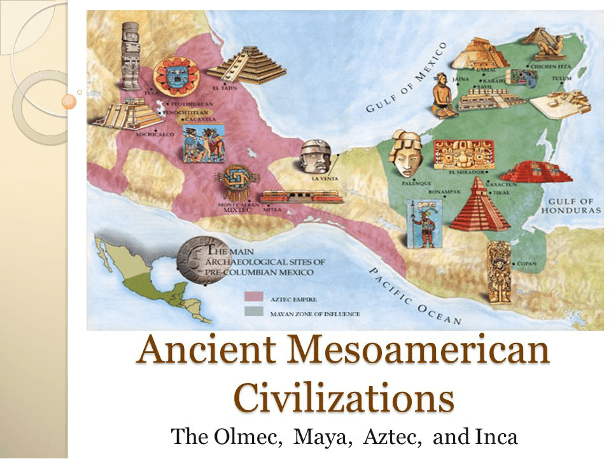
The Maya civilization emerged in present-day Mexico, Guatemala, and Belize. They excelled in astronomy, mathematics, and architecture, constructing magnificent cities with elaborate temples and observatories. The Maya developed a hieroglyphic script and a highly accurate calendar system that reflected their deep understanding of celestial events. Despite the decline of their classical civilization, Maya culture persisted, and many of their cities remained centers of learning and trade.
3. The Aztecs: The Empire of Tenochtitlan (14th - 16th century CE)
The Aztec Empire, led by the Mexica people, rose to power in the 14th century CE in the Valley of Mexico. Their capital city, Tenochtitlan, was a marvel of engineering and architecture, featuring grand temples and causeways. The Aztecs built an extensive empire through military conquests, establishing tribute systems and alliances with neighboring regions. Their society was deeply rooted in religion, and their pantheon of gods played a central role in their daily lives. However, internal conflicts and resentment from conquered peoples weakened the empire.
4. The Spanish Conquest: Cortés and the Fall of the Aztec Empire (1519 - 1521)
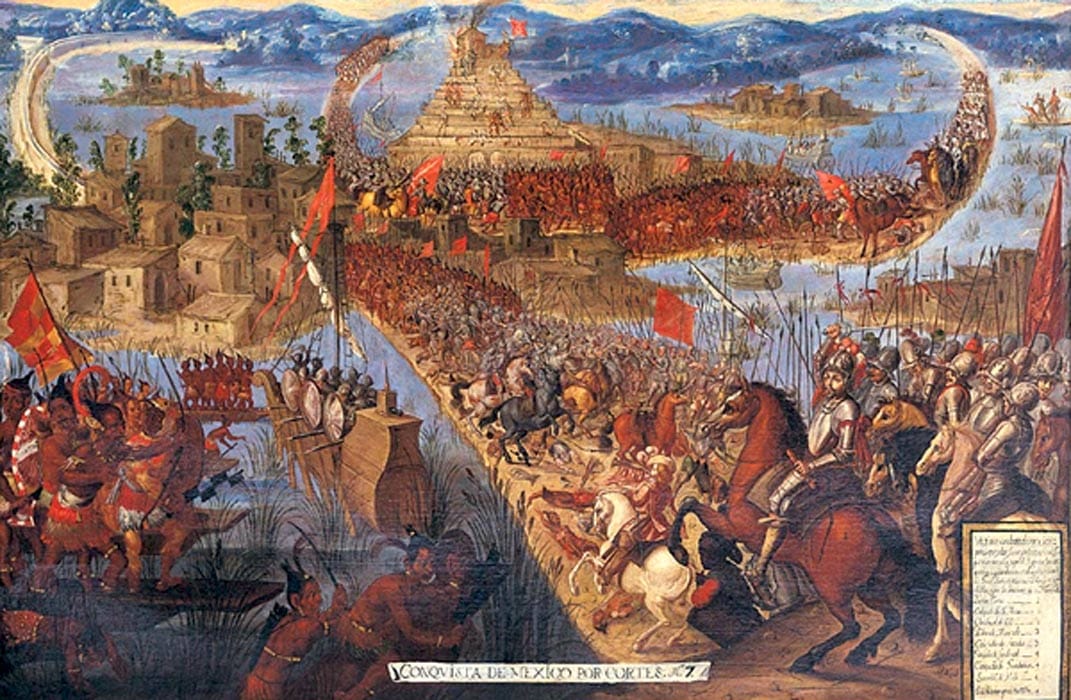
In 1519, the Spanish conquistador Hernán Cortés arrived on the shores of Mexico. Seeking riches and spreading Christianity, Cortés and his small army encountered the Aztec Empire, led by Emperor Moctezuma II. Through alliances with indigenous peoples who resented Aztec rule, internal divisions within the empire, and advanced weaponry, Cortés ultimately captured Tenochtitlan in 1521, marking the end of the Aztec civilization. The conquest had devastating consequences for the indigenous population, as diseases brought by the Spaniards and brutal colonial policies resulted in the loss of lives and cultural heritage.
II. 7 Defining Characteristics Across History
1. Hieroglyphic Writing in the Mesoamerican Civilization
One of the remarkable achievements of Mesoamerican civilizations, including the Maya and the Zapotec, was the development of hieroglyphic writing systems. These intricate scripts were used to record historical events, religious rituals, and the daily lives of the people. Hieroglyphs played a crucial role in preserving and transmitting cultural knowledge, and their decipherment has greatly contributed to our understanding of Mesoamerican societies.
2. Polytheistic Religion in Mesoamerica
Mesoamerican civilizations embraced complex polytheistic religious systems. They worshiped numerous gods and deities associated with natural elements, celestial bodies, and agricultural cycles. Religious rituals and ceremonies were central to their cultural practices, often involving human sacrifice as a means of appeasing the gods and maintaining cosmic balance.
3. Agricultural Variety in Mesoamerica
Mesoamerica possessed a rich agricultural landscape characterized by diverse crops. The civilizations cultivated staples such as maize (corn), beans, squash, and chili peppers. Additionally, they developed sophisticated farming techniques like terracing, irrigation systems, and the use of chinampas (artificial islands) to maximize agricultural productivity and sustain their growing populations.
4. Monumental Architecture in Mesoamerica
Mesoamerican civilizations were renowned for their monumental architecture, which included grand pyramids, temples, palaces, and ceremonial complexes. These structures were often built with precise mathematical and astronomical alignments, reflecting their advanced knowledge of celestial phenomena. Examples of such architectural marvels can be seen in the pyramids of Teotihuacan, the temples of Tikal, and the ceremonial center of Chichen Itza.
5. State Governmental Organization
Mesoamerican civilizations had well-structured state governmental organizations. They established hierarchical political systems with centralized authority, often led by powerful rulers or kings. These rulers governed through a network of nobles and officials, managing affairs related to administration, law enforcement, taxation, and military.
6. The Ancient Calendar
Mesoamerican civilizations developed complex calendar systems to track time and astronomical events. The Maya, for instance, had an incredibly accurate calendar that combined a solar calendar (Haab) with a sacred calendar (Tzolk’in), resulting in a cyclical calendar that spanned several centuries. The calendar played a vital role in religious rituals, agricultural planning, and societal events.
7. Trade Between Mesoamerican Civilizations
Trade was an essential aspect of Mesoamerican civilizations, facilitating the exchange of goods, ideas, and cultural influences. Various trade networks connected different regions, allowing for the movement of precious resources such as jade, obsidian, cacao, and textiles. The trading routes fostered cultural interaction and played a significant role in the development of Mesoamerican societies.
FAQs
1. How did the Aztec Empire rise to power, and what led to its downfall?
The Aztec Empire, led by the Mexica people, rose to power through military conquests, establishing tribute systems and alliances with neighboring regions. However, internal conflicts and resentment from conquered peoples weakened the empire. Ultimately, the arrival of Hernán Cortés and the Spanish conquest in the 16th century led to the fall of the Aztec civilization.
2. What were the consequences of the Spanish conquest on Mesoamerican civilizations?
The Spanish conquest led to devastating consequences for the indigenous population. Diseases brought by the Spaniards and brutal colonial policies resulted in the loss of lives and cultural heritage. Many Mesoamerican societies were profoundly impacted, and their traditional way of life was forever altered.
Conclusion
In summary, the Mesoamerican civilizations, including the Olmecs, Maya, and Aztecs, have left an enduring legacy of cultural richness and intellectual achievements. Their advancements in fields like astronomy, mathematics, and architecture, along with their complex religious systems and rich agriculture, have left a profound mark on history. While the Spanish conquest brought significant changes to their societies, their contributions continue to inspire and captivate the world, showcasing the resilience and ingenuity of Mesoamerican peoples throughout the ages.