


Chapter 1 Review Submission
Introduction
In healthcare, understanding the nature of medical conditions is crucial for effective treatment and management. Medical conditions are typically categorized into two main types: acute and chronic. Both can significantly impact a person’s health and lifestyle. Let us delve deeper into common medical conditions and explore how they affect daily living.
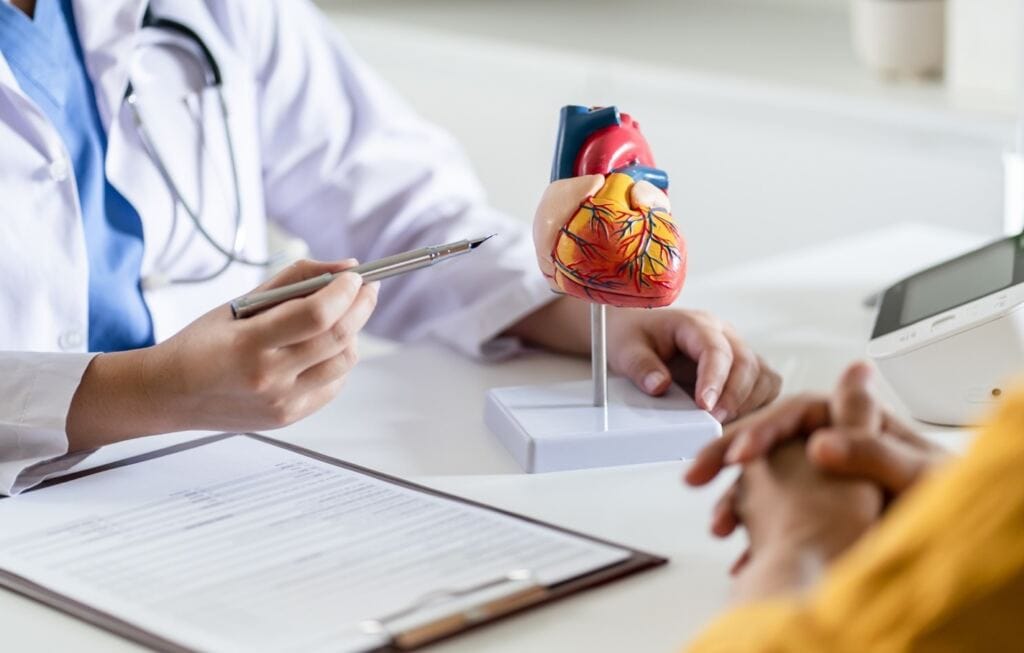
I. Definition and Causes
1. Definition and Causes
a. Acute Conditions
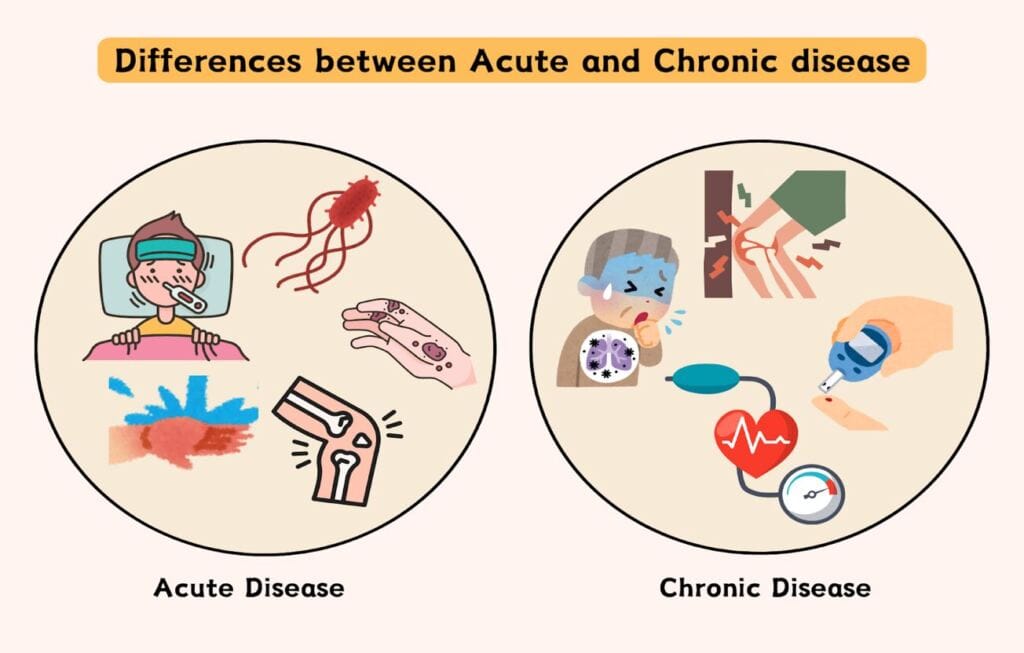
The term acute illness describes a disease that has a very rapid onset, is accompanied by distinct symptoms requiring urgent or short-term care, and typically improves after treatment.
Viruses or infections often cause acute conditions but can also result from injuries, such as falls or car accidents, or due to the abuse of drugs or medications. Acute illnesses are generally easy to diagnose and treat in most cases.
Some common acute conditions include:
Musculoskeletal Disorders: Injuries, Acute back pain, Gout
Respiratory Illnesses: Upper respiratory tract infection Symptoms such as cough and cold, earache, sore throat, dizziness
Gastrointestinal Issues: Indigestion, Diarrhea, Nausea and vomiting, Acute abdominal pain, Constipation
Neurological Disorders: Dizziness, Headaches, Sharp pains
Dermatological Problems: Rashes, Allergic reactions like hives, Itching
b. Chronic Conditions:
A chronic illness lasts for months, years, or even a lifetime. It may show warning signs or none at all. Chronic diseases often become more of a concern as you age.
Chronic conditions can result from an unhealthy lifestyle, poor nutrition, lack of regular exercise, or the abuse of alcohol or smoking. Factors such as social, emotional, environmental, and genetic influences also contribute to the increased risk of developing chronic diseases.
Some common chronic conditions include:
Endocrine Diseases: Obesity, Diabetes
Neurological and Mental Disorders: Dementia, Depression
Cardiovascular Diseases: Hypertension (high blood pressure), Heart failure, Ischemic heart disease, Cerebrovascular disease (stroke)
Autoimmune Diseases: Lupus, Scleroderma, Psoriasis
Chronic Musculoskeletal Disorders: Rheumatoid arthritis, Osteoarthritis, Degenerative joint disease, Osteoporosis
Chronic Respiratory Diseases: Chronic obstructive pulmonary disease (COPD), Chronic bronchitis, Asthma, Emphysema
2. Stages of Illness
Although acute and chronic conditions are distinct, they are interrelated. An acute condition can sometimes develop into a chronic one, while a chronic condition can suddenly present with acute symptoms.
Some infections progress from an acute phase to a chronic phase, where the infection persists but progresses less aggressively. Chronic infections can remain dormant for years in a latent state, only surfacing with new and often severe acute complications. Early intervention and treatment are crucial in such cases to prevent adverse outcomes and improve the patient’s quality of life.
II. Examples of Acute and Chronic Conditions
1. Acute Conditions
a. Here are some examples of acute illnesses:
Asthma Attack
Fracture (Broken Bone)
Bronchitis
Burns
COVID-19
Common Cold
Influenza (Flu)
Heart Attack
Pneumonia
Respiratory Tract Infection
Strep Throat
b. Diagnosis and Treatment of Acute Conditions
Diagnosis of acute conditions usually involves a physical examination and a review of the patient’s medical history. In some cases, additional tests such as blood tests, X-rays, or other imaging studies may be needed.
Depending on the specific condition and the severity of the acute illness, treatment can vary from simple home care to more intensive interventions:
Home Care: For mild conditions like the common cold, symptoms such as cough, runny nose, nasal congestion, sore throat, fatigue, muscle aches, and headaches can be managed at home. Remedies include:
Drinking plenty of warm fluids
Keeping nasal passages and the throat clean
Resting adequately
Using over-the-counter medications for pain relief, fever reduction, or nasal decongestion, as healthcare providers advise.
Medical Intervention: Intensive treatments are necessary in more severe cases, such as infections requiring antibiotics or injuries needing surgery. For example, a fracture from an accident requires:
Immediate first aid
Quick diagnosis of the fracture's location and severity
Appropriate treatments like pain management, inflammation reduction, or surgical intervention if needed.
It is crucial to seek timely medical care if experiencing symptoms of an acute condition. Early diagnosis and treatment can help prevent the condition from worsening.
3. Chronic Conditions
a. Here are some examples of chronic illnesses:
b. Diagnosis and Treatment of Chronic Conditions
Appropriate treatments like pain management, inflammation reduction, or surgical intervention if needed.
III. The Role of Modern Technology and Medicine in Managing and Treating Chronic Diseases
1. Header 3
1. Header 3
Paragraph 1
Paragraph 2
2. Header 3
Paragraph 1
3. Header 3
Paragraph 1
4. Header 3
Paragraph 1
5. Header 3
Paragraph 1
Conclusion
Paragraph 1