


Lesson 3 – Information Technology in Business
Introduction
In the modern era, Information Technology (IT) has become the backbone of business operations, revolutionizing the way organizations function and interact with the world. This lesson will explore the definition, benefits, and limitations of Information Technology in the business realm.
I. Definition of Information Technology in Business
Information Technology refers to the use of computers, software, networks, and other electronic systems to store, process, transmit, and retrieve information. When applied to business, Information Technology becomes a strategic tool that facilitates efficient operations, decision-making, and communication.

II. Components of Information Technology in Business
- Hardware:This includes computers, servers, networking devices, and other physical equipment that form the infrastructure for IT systems.
- Software:Applications, programs, and operating systems that enable various functions, from data processing to project management.
- Networks:The interconnected systems that allow the seamless flow of information within an organization and beyond.
- Data:The raw material that feeds into IT systems, encompassing information and knowledge vital for business processes.
- People:Skilled professionals who manage, operate, and innovate IT systems within an organizational context.
III. Benefits of Information Technology in Business
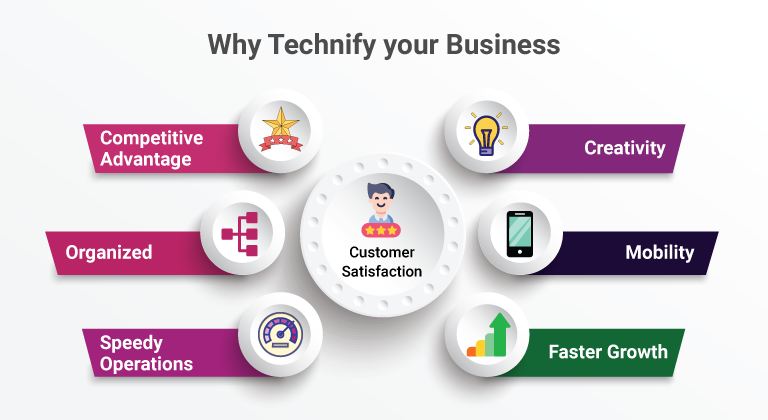
1. Increased Efficiency
Information Technology automates routine tasks, streamlining processes and reducing the time and effort required for various operations. This leads to increased efficiency and productivity.
2. Enhanced Communication
IT tools like email, instant messaging, and collaborative platforms facilitate real-time communication, fostering seamless interaction among employees, clients, and stakeholders, regardless of geographical locations.
3. Data Management and Analysis
Businesses generate vast amounts of data daily. IT systems enable effective data storage, retrieval, and analysis, providing valuable insights for informed decision-making.
4. Improved Decision-Making
Decision support systems and analytics tools empower management to make informed decisions based on accurate and up-to-date information, contributing to the overall success of the business.
5. Global Reach
Information Technology breaks down geographical barriers, allowing businesses to operate on a global scale. E-commerce, online marketing, and virtual collaboration tools connect organizations with a diverse and expansive audience.
6. Customer Relationship Management (CRM)
IT systems support CRM software, enabling businesses to build and maintain strong relationships with customers through personalized interactions, feedback management, and targeted marketing.
7. Cost Savings
Cloud computing and virtualization technologies reduce the need for physical infrastructure, minimizing hardware and maintenance costs. Additionally, automation reduces labor costs associated with repetitive tasks.
8. Innovation and Competitive Advantage
Information Technology fosters innovation by providing tools for research and development. Organizations that leverage IT effectively gain a competitive edge in a dynamic business environment.

III. Benefits of Information Technology in Business
1. Initial Implementation Costs
The adoption of Information Technology requires a significant upfront investment in hardware, software, and skilled personnel, which can be a barrier for small and medium-sized enterprises.
2. Security Concerns
With the increase in cyber threats, businesses face challenges in securing sensitive data. The potential for data breaches, hacking, and other cyber-attacks poses a constant threat to IT systems.
3. Dependency on Technology
While IT enhances efficiency, organizations may become overly dependent on technology. System failures, power outages, or cyber-attacks can bring operations to a standstill, highlighting the need for robust contingency plans.
4. Continuous Upkeep and Maintenance
IT systems require regular updates, maintenance, and troubleshooting. Failure to keep up with these tasks can result in system inefficiencies and vulnerabilities.
5. Employee Resistance and Skill Gaps
The introduction of new technologies may face resistance from employees accustomed to traditional methods. Additionally, there may be skill gaps that require training and upskilling initiatives.
6. Privacy Concerns
The collection and storage of vast amounts of personal and sensitive data raise privacy concerns. Striking a balance between data utilization for business purposes and safeguarding individual privacy is a constant challenge.
7. Rapid Technological Changes
The fast-paced nature of technological advancements means that businesses must adapt quickly to stay relevant. Keeping up with the latest trends and integrating new technologies can be demanding.
8. Potential for Job Displacement
Automation and AI technologies may replace certain job functions, leading to job displacement for workers in specific industries. Addressing the social and economic impact of these changes is essential.
Conclusion
In conclusion, Information Technology has become an indispensable force in the business landscape, driving innovation, efficiency, and global connectivity. However, to maximize the benefits of IT in business, organizations must navigate and address the associated challenges. A strategic approach to technology adoption, coupled with robust cybersecurity measures and ongoing training, can empower businesses to thrive in the digital age. As we continue to witness the evolution of Information Technology, businesses that find the delicate balance between harnessing its power and mitigating its limitations will emerge as leaders in their respective industries.