Back to Course Overview

Art History- 8th

0% Complete
0/0 Steps
  1. Notes
Chapter 1, Lesson 2
In Progress

Lesson 2 – Purpose of Art

Chapter Progress
0% Complete

Introduction

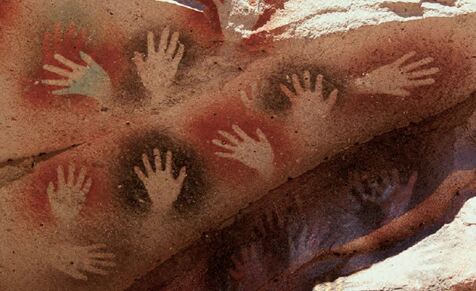
Art has changed in purpose from prehistoric to modern times, reflecting and impacting changes in society. Come along as we explore the timeless significance of art—its ability to inspire, provoke contemplation, and influence cultural narratives. Let’s explore the significant effects that art has had, both historically and currently, on our world.

I. History

1. Prehistoric and Classical Art Movements

Prehistoric and Classical Art Movements

1.1. Prehistoric Art (30,000 BC – 1,300 BC)

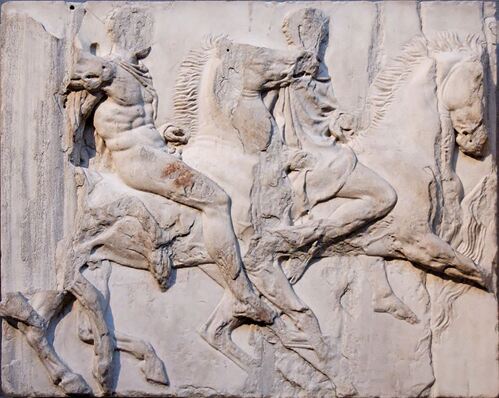
1.2. Ancient Greek and Roman Art (800 BC – 100 AD)

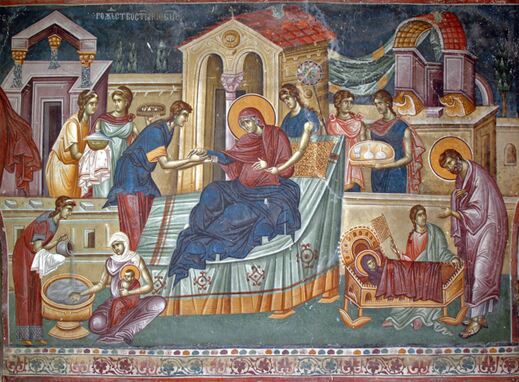
1.3. Early Christian and Byzantine Art (4th – 15th Century)

Early Christian and Byzantine Art (4th – 15th Century)

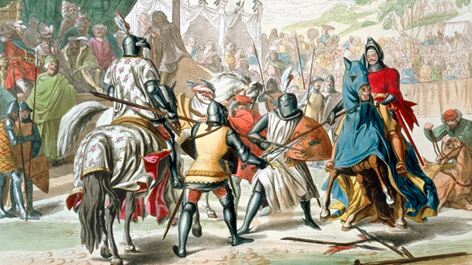
1.4. The Middle Ages (6th – 11th Century)

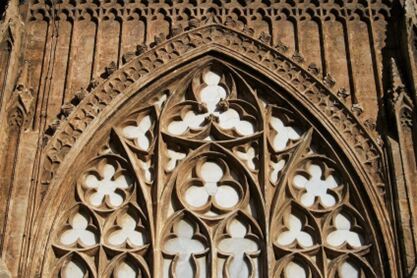
1.5. Romanesque and Gothic Art (10th – 14th Century)

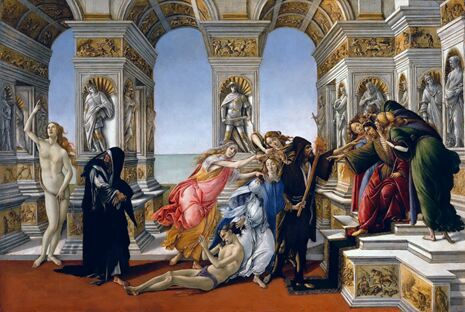
1.6. The Renaissance (1300 – 1600)

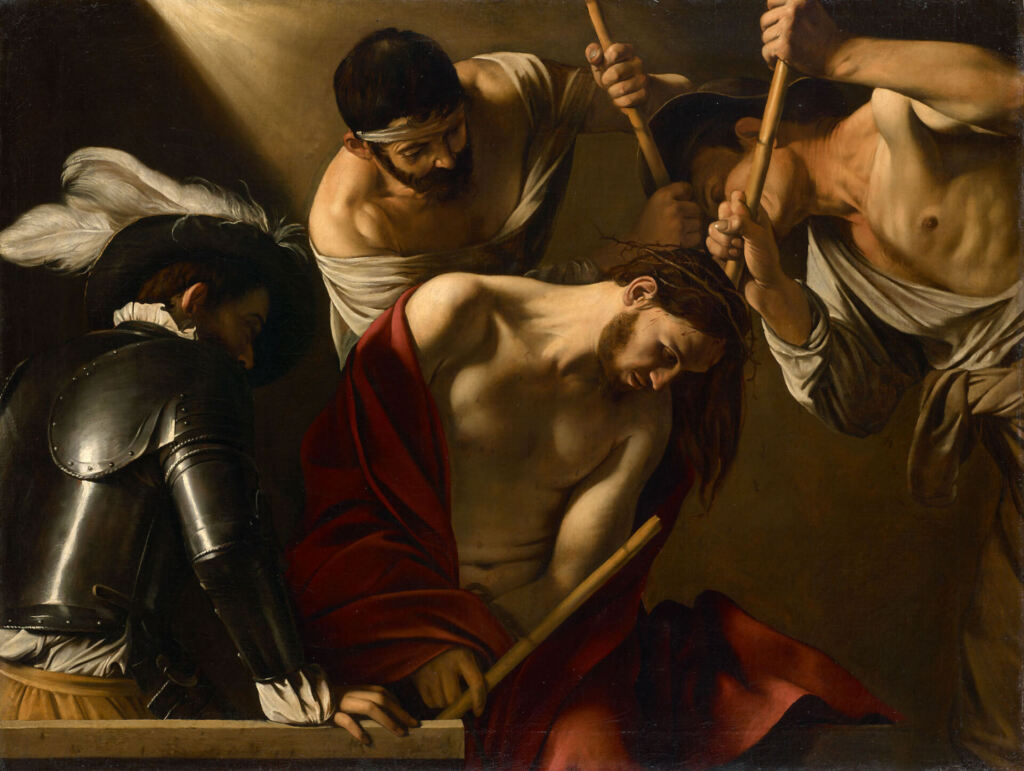
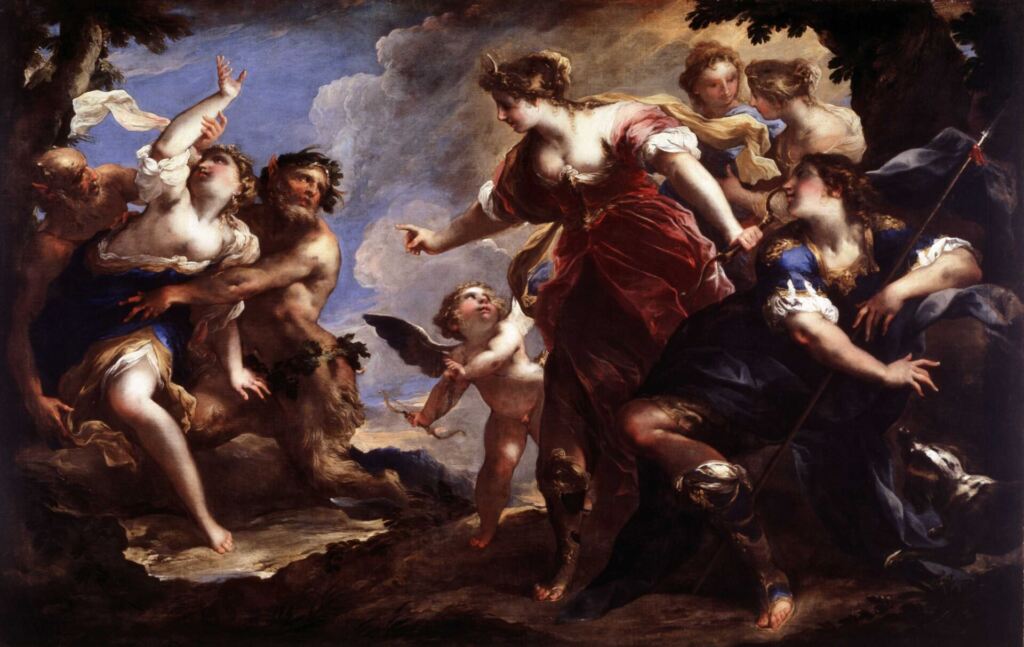
1.7. Baroque Art (1600 – 1700)

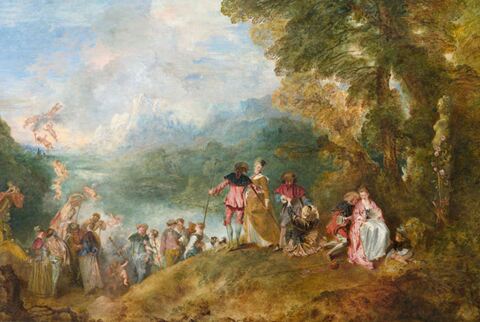
1.8. Rococo (1700 – 1780)

Rococo (1700 – 1780)

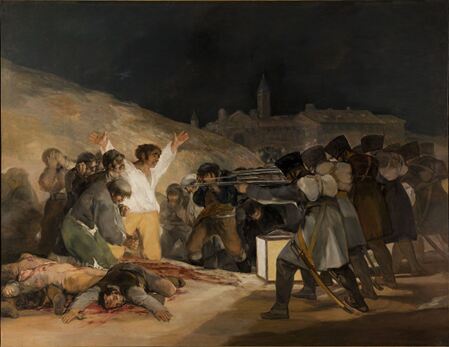
1.9. Neoclassicism (1750 – 1820)

2. 19th Century Art

2.1. Romanticism (1780 – 1850)

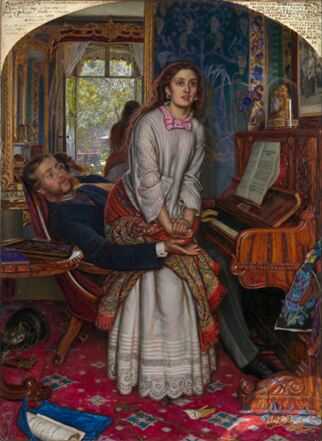
2.2. Pre-Raphaelite Movement (1848 – 1900)

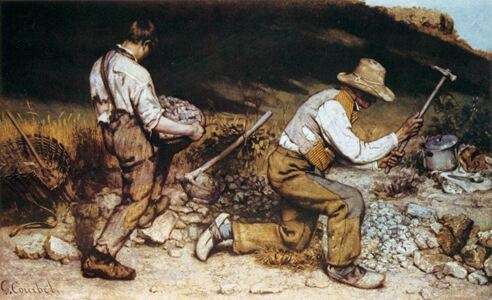
2.3. Realism (1850 – 1900)

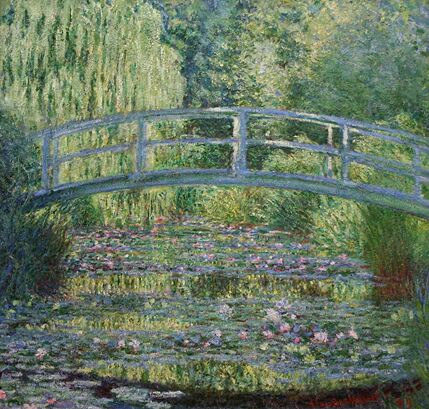
2.4. Impressionism (1860 – 1900)

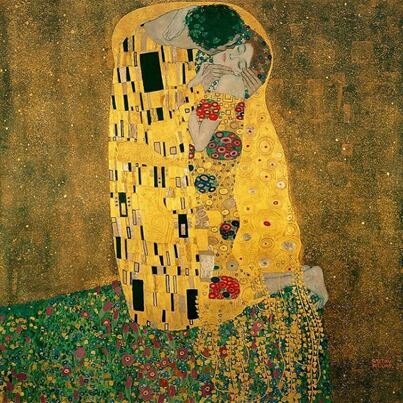
2.5. Post-Impressionism (1885 – 1905)

Post-Impressionism (1885 – 1905)

2.6. Symbolism (1875 – 1910)

3. 20th Century Modern Art

20th Century Modern Art

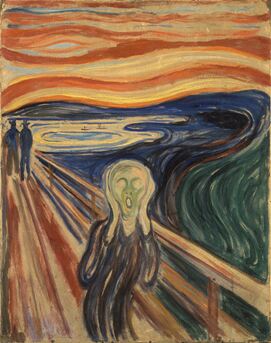
3.1. Expressionism (1895 – 1995)

Expressionism

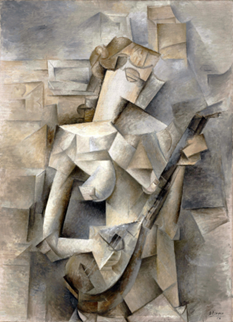
3.2. Cubism (1907 – 1920)

Cubism (1907 – 1920)

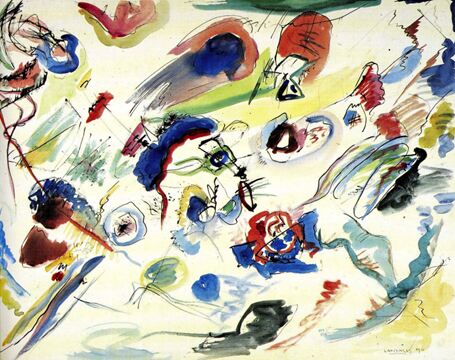
3.3. Abstract Art (1910 – 1940)

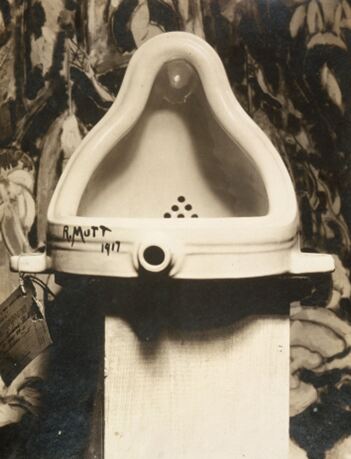
3.4. Dadaism (1915 – 1950)

Dadaism (1915 – 1950)

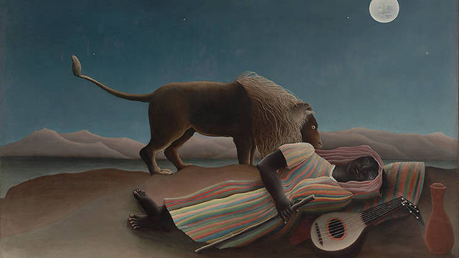
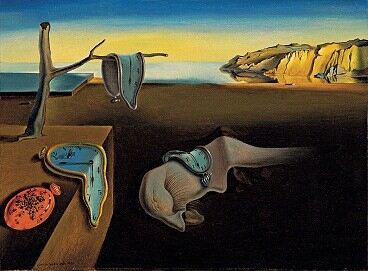
3.5. Surrealism (1915 – 1950)

Surrealism (1915 – 1950)

3.6. Abstract Expressionism (1940 – 1959)

Abstract Expressionism

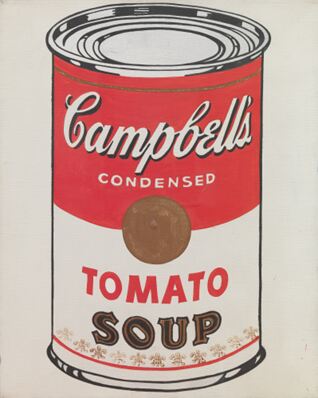
3.7. Pop Art (1950 – 1980)

Pop Art (1950 – 1980)

II. Value

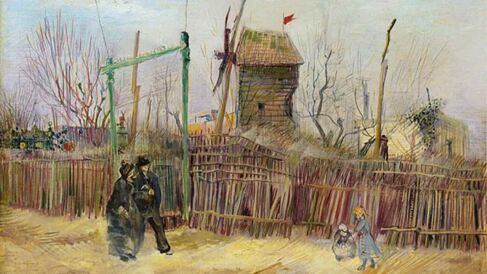
The idea that there is value in art that goes beyond money has existed for ages. It is commonly acknowledged that the fact that artwork is produced by people with their thoughts, abilities, and feelings gives it value.
Value

Creating value for the market and their work has always piqued the interest of artists. Artists utilize the work’s value to demonstrate their talent and originality. They strive to ensure that the public will find their artwork appealing and that it won’t be quickly forgotten. A useful technique for educating people about other cultures is the value of the arts.

Conclusion

As we come to the close of our investigation into “The Purpose of Art,” we have seen how art has shaped cultures and transcended aesthetics throughout history. Art inspires and reflects our collective awareness in addition to its aesthetic value. Let us preserve a more profound understanding of its lasting influence on the human condition.

Upgrade Plan

Sign up for our fortnightly newsletter with the best travel inspirations.

Monthly
Yearly

Simple Start Plan

Online Self-Education
  • Simple Start includes:
  • (25) Prepaid Tutorial Hours
  • Grade-Level Course Organization
  • Coursework Management Tools
  • Interactive User Reports
  • End-User Support Ticketing Tool
  • Calendar-Booking integration
  • Zoom integration
$179/Month

Essential Plan

Asynchronous Online Learning
  • Everything in Simple Start, plus:
  • (50) Prepaid Tutorial Hours
  • Access to Virtual Classroom
  • Live Chat and Direct Messaging
  • Email Communication
  • Group Discussion Board
  • Social Learning Features
  • Notebook Functionality
$279/Month

Simple Start Plan

Online Self-Education
  • Simple Start includes:
  • (25) Prepaid Tutorial Hours
  • Grade-Level Course Organization
  • Coursework Management Tools
  • Interactive User Reports
  • End-User Support Ticketing Tool
  • Calendar-Booking integration
  • Zoom integration
$1,800/Year

Essential Plan

Asynchronous Online Learning
  • Everything in Simple Start, plus:
  • (50) Prepaid Tutorial Hours
  • Access to Virtual Classroom
  • Live Chat and Direct Messaging
  • Email Communication
  • Group Discussion Board
  • Social Learning Features
  • Notebook Functionality
$2,800/Year

Testimonial

Kindly Submit your Testimonial