


Lesson 1 – History of Art
Introduction
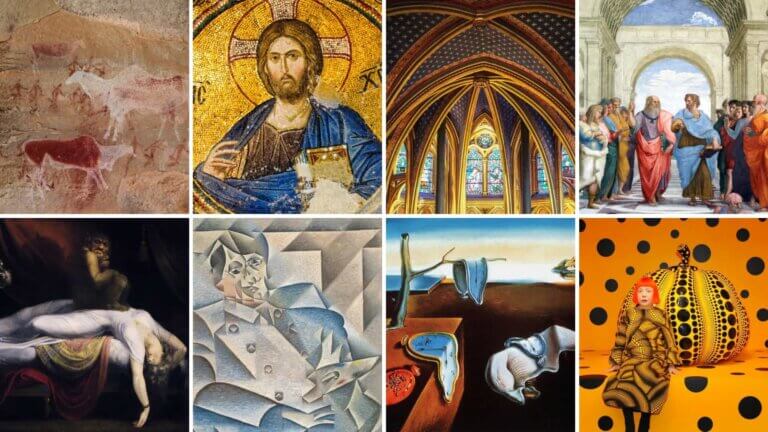
Art history is prone to frequent updates and reevaluations, much like history as a whole. Some artists achieve recognition in the annals of art history, whether during their lifetimes or after their deaths, only to be forgotten and erased from the canon until and until they are finally rediscovered. Put another way, while art history is a flexible discipline, it is essential to understanding art advancements, or at the very least, it improves them. As a result, we have put together a selection of publications that cover the history of art from classical antiquity to the present, both general and specialized. You should have a handful of these on your bookshelves, whether you’re an artist or just a fan of the arts.
I. Definition
No one definition of art is embraced by all. There is no apparent distinction in principle between, say, a one-of-a-kind handmade sculpture and a mass-produced but aesthetically pleasing object, despite the term being frequently used to describe something beautiful or a skill that yields an attractive outcome. We may argue that the creation of art necessitates thought, or a creative drive of some sort, but this begs other concerns, such as how much thought is necessary. Does the result of someone throwing paint at a canvas in the hopes of creating a piece of art inherently qualify as art?
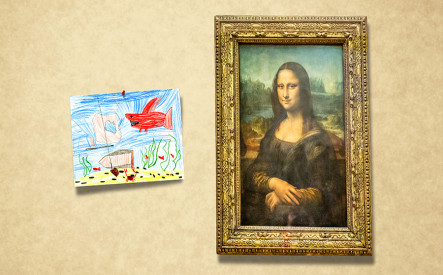
Even the concept of “beauty” poses certain problematic issues. Does my child’s sister’s unmade bed qualify as art if I find it to be ‘beautiful’ or aesthetically pleasing? If not, does it become a different object if a million people happen to concur with me while my younger sister believes it is simply a bunch of clothes?
II. Overview
1. Classical Meaning of Art
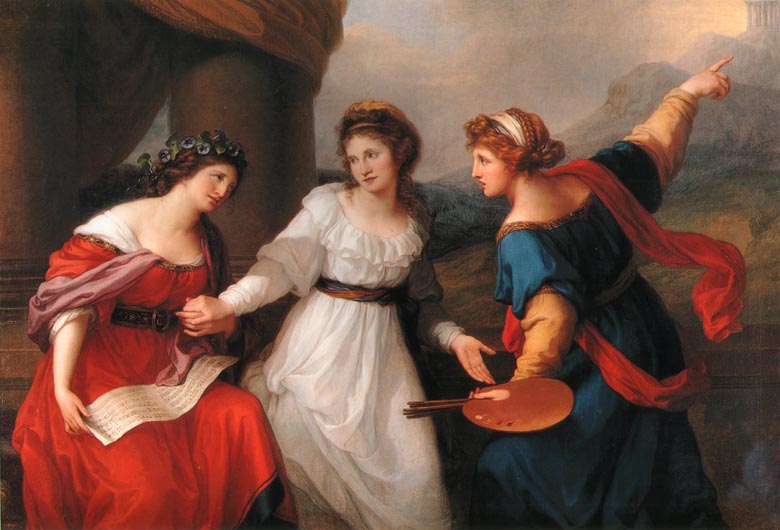
Derived from the Latin word “ars” (meaning “skill” or “craft”), the original classical definition serves as a helpful foundation. A definition of art that results from this wide perspective is “the product of a body of knowledge, most often using a set of skills.” As a result, people only thought of Renaissance painters and sculptors as extremely talented craftspeople (interior decorators?). It makes sense that Michelangelo and Leonardo Da Vinci made the efforts they did to raise the dignity of artists and, implicitly, art itself to a higher intellectual level.
2. Post-Renaissance Meaning of Art
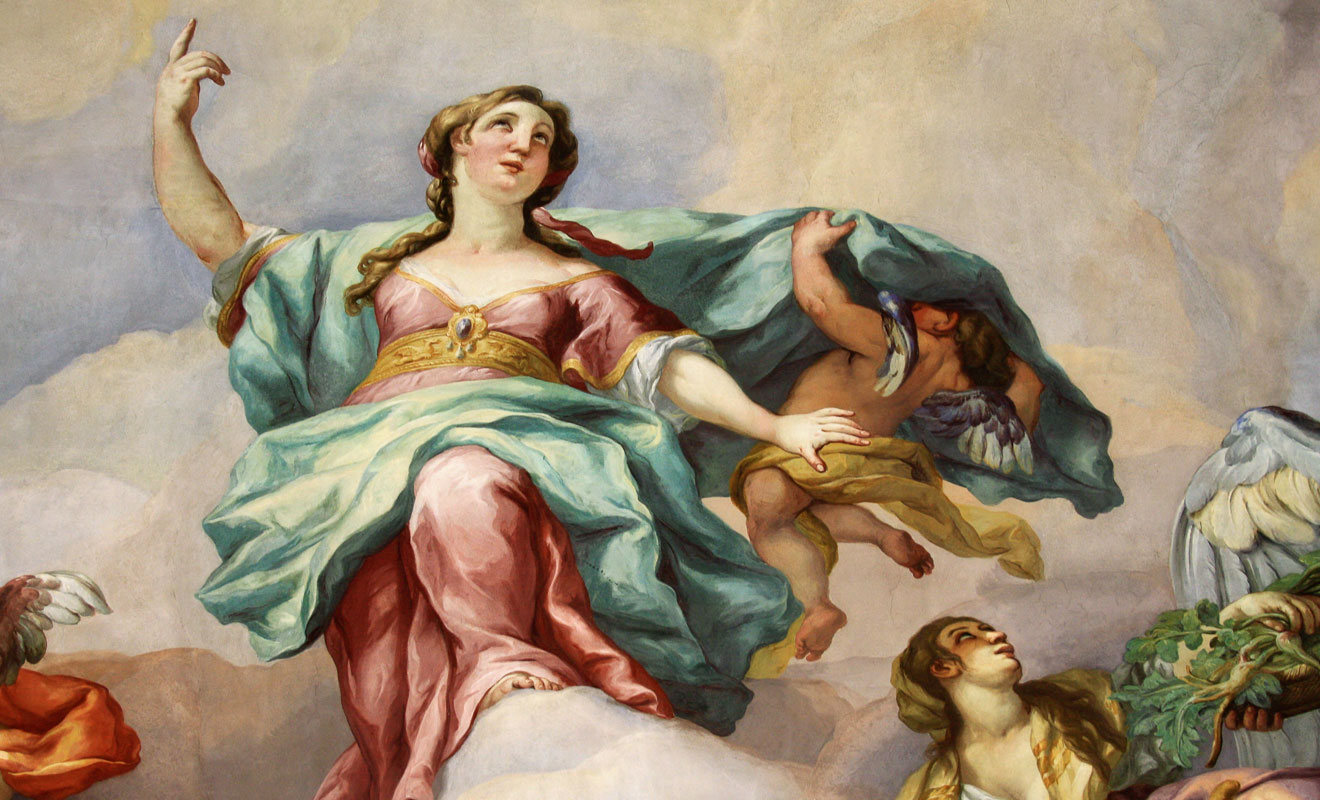
The progressive advancement of the topic was reflected in the founding of the major European art academies. This shift in perception was also influenced by new and progressive schools of philosophy. By the middle of the 18th century, art could no longer be defined just by the display of technical prowess; instead, it had to possess “aesthetic” qualities to be deemed “beautiful.”
The more honorable “fine arts” (art for art’s sake), like painting and sculpture, were distinguished from the lesser “applied art” forms, like crafts and commercial design work, and the ornamental “decorative arts,” like textile and interior design, by the concept of “utilitarianism” (functionality or usefulness).
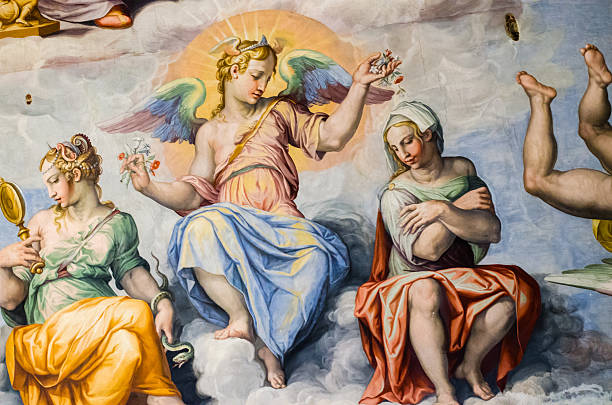
Because of this, art at the end of the 19th century was divided into at least two major categories: fine art and the rest, which mirrored the moral standards and cultural snobbery of the European establishment. Furthermore, even painting and sculpture had to follow specific aesthetic guidelines to be regarded as “true art,” despite a certain amount of disbelief in the Renaissance ideology’s aesthetic standards, which continued to have a significant impact on the world of fine art.
3. Meaning of Art During the Early 20th Century
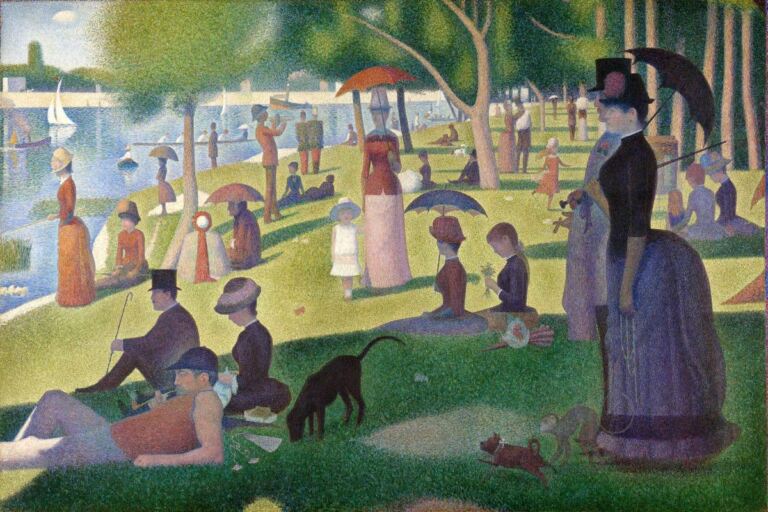
Then came cubism (1907–14), which completely upended the fine arts establishment. Picasso’s introduction of a non-naturalistic school of painting and sculpture was revolutionary not just because it broke the monotheistic Renaissance perspective of art’s relationship to the outside world. Therefore, the primary contribution of Cubism was to serve as a kind of catalyst for a multitude of new movements that profoundly expanded the theory and practice of art, including Dada, Neo-Plasticism, Conceptualism, Surrealism, and Suprematism; it also helped to give rise to various realist styles, including Social and Socialist Realism. In actuality, the definition and significance of art were expanded as a result of the emergence of new artistic movements and styles. Fine art now boasted a considerable element of “subjectivity” as a result of its release from its “Renaissance straitjacket” and all the attendant rules about “objectivity” (e.g. on perspective, workable materials, content, composition, and so on). Suddenly, artists had much more leeway to produce paintings and sculptures that reflected their values. As a matter of fact, “art” began to become “indefinable” at this point.
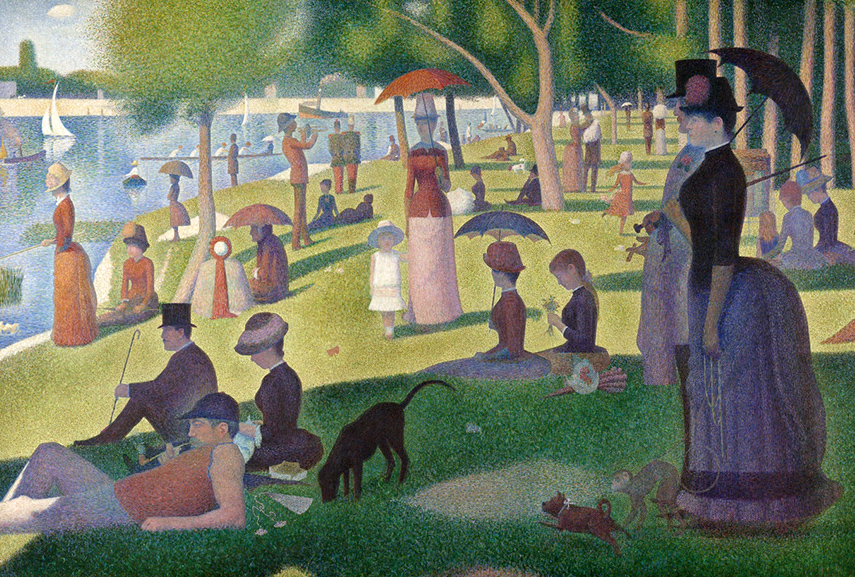
The availability of a far wider choice of commercial products caused a comparable revolution in the decorative and applied arts. However, the concept and meaning of art as a whole remained largely unaffected by the consequent growth in the number of related design and craft fields.
4. Meaning of Art Post-World War II
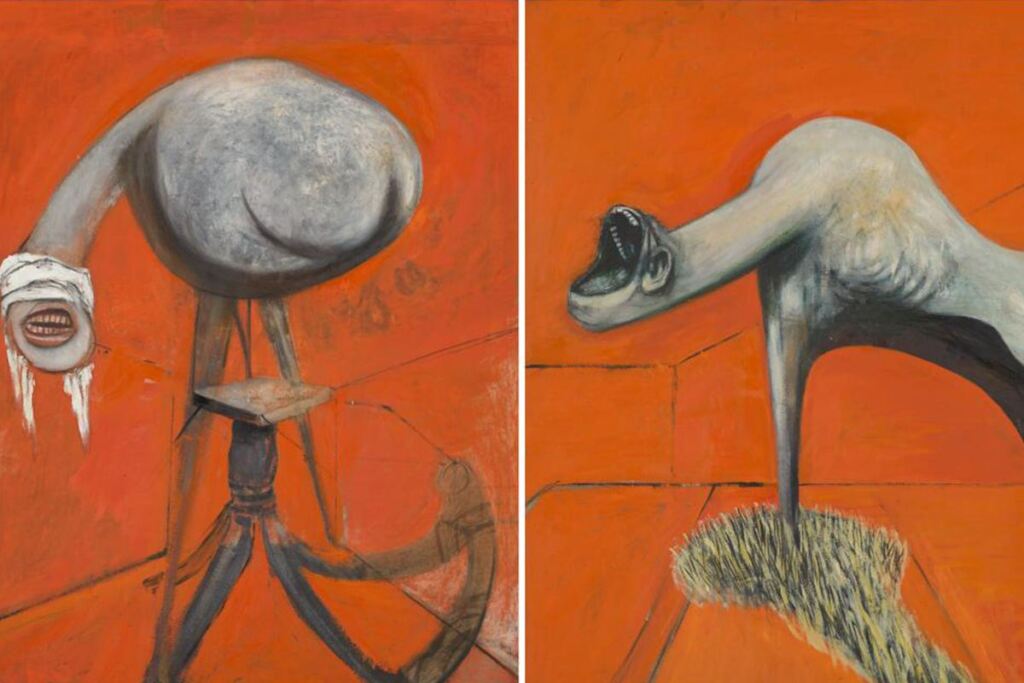
Paris lost its status as the global center of art due to the devastating effects of World War II, and New York took its place. Pop Art, Abstract Expressionism, and the actions of the new wave of celebrity painters, such as Andy Warhol, all contributed to this new American attitude that urged art to become less of a traditional aesthetic and more of a commercial product. Suddenly, even the most commonplace objects and ideas could be considered works of “art”.
Conceptualists produced new art forms such as performance, video, installation, and assemblage, influenced by this popular approach. Graffiti eventually left its mark, as did a variety of reinterpretation styles—Neo-Dada, Neo-Expressionism, and Neo-Pop, to mention a few. The new polytheism was duly preached by art schools and colleges all across the world, adding further fuel to the fire of Renaissance art traditions.
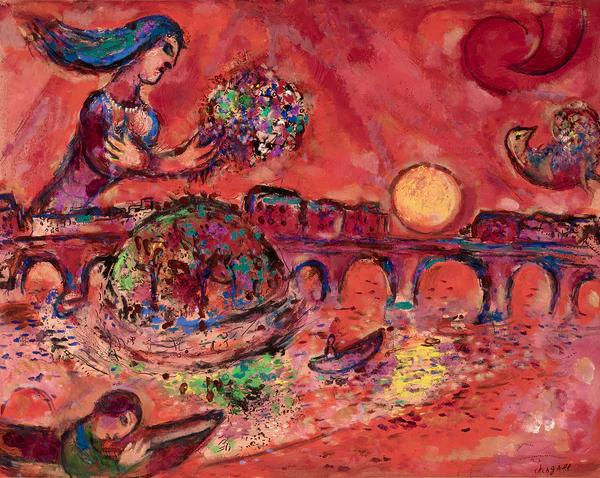
5. Postmodernism and the Meaning of Art
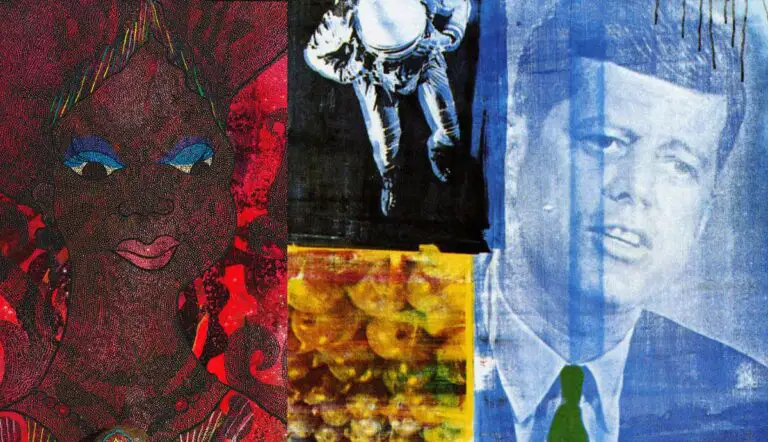
Postmodernist thinkers have brought more academic weight to the reinterpretation of art throughout the latter three decades of the twentieth century. The “meaning” of the work created has taken precedence above creative competence, according to postmodernists. Furthermore, “how” an artwork is “experienced” by viewers has come to be seen as a crucial aspect of its aesthetic worth. This opinion is amply supported by the extraordinary success of modern painters such as Damien Hirst and Gilbert & George. See avant-garde art for additional information about experimental artists.
III. FAQs
1. If We Appreciate Its Positive Impact, Do We Need to Define Art?
2. How Does a Definition of the Meaning of Art Help Us?
3. Is Art Simply a Reflection of Our Values?
4.Who Has the Right to Define Art?
5. Who Has the Right to Define Art?
Conclusion
To sum up, the history of art reveals a dynamic journey that begins with the harmony of the Classical age and ends with the different perspectives of Postmodernism. The Post-Renaissance period was characterized by a concentration on realism and individualism. This progression reflects shifts in society, highlighting the idea that art is a dynamic force that shapes our perceptions of the present and the future rather than merely a reflection of the past.