

Back to Course Overview

Language Arts-6th

0% Complete
0/0 Steps
  1. Notes
Chapter 1, Lesson 3
In Progress

Lesson 3 – Traditional Fictions

Chapter Progress
0% Complete

Introduction

This lesson’s main objective is to introduce students to traditional literature while highlighting its significance in terms of culture and history. The contextual background, common themes, motifs, and narrative structures that define conventional literature will become clearer to students. The lesson also attempts to improve student’s reading comprehension, writing skills, and understanding of the various cultures and perspectives that are represented in these stories. Additionally, students will hone their ability to read and assess literary works that fall under the category of traditional fiction by developing their critical analysis skills.

I. Definition of Traditional Fiction

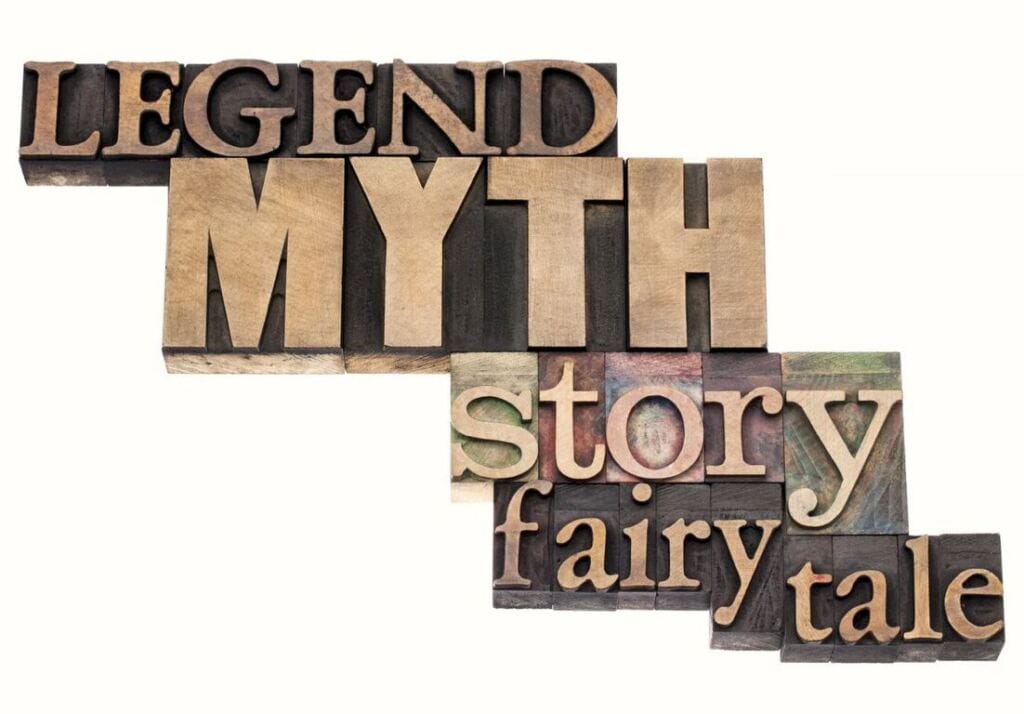
Traditional fiction is a literary subgenre that includes tales, accounts, and literary creations handed down through the centuries and are based on historical or cultural customs. A particular society or community’s ideals, beliefs, and practices are frequently reflected in these fictions. Myths, legends, folktales, fairy tales, and other types of storytelling passed down orally or written down over time might be considered traditional fiction. Symbolic elements, archetypal characters, moral lessons, and repeating themes are frequently found in these works. Traditional fictions capture a culture’s collective knowledge and imagination, serving to amuse, instruct, and preserve a cultural legacy.

II. Novel

1. Definition

A novel is a lengthy piece of writing that typically has a complicated plot, well-rounded characters, and a rich content structure. It is anchored in literary history and has a lot of significant interests. 

The capacity to convey a story in depth and detail, allowing the author to explore the psychology of the characters and create an explicitly fictional universe, is one of fiction’s key advantages. The book offers readers an immersive and participatory experience with the narrative that fosters empathy for the characters and interest for learning more about challenging situations and morally hard topics. 

The novel’s creation can be traced back to the growth of literature in the 17th century. The industrial revolution and the rise of the middle class in Europe are seen to have been particularly important for the creation of the modern novel. The novelRobinson Crusoeby Daniel Defoe, published in 1719, is regarded as one of the earliest recognized works of fiction and has influenced the format and standards of contemporary fiction. Since then, the book has developed into a significant literary genre, offering diversity and inspiration for the examination of individuals and the wider world via lengthy, thought-provoking tales. 

It can be classified as literary or popular and explore various themes and genres such as romance, mystery, historical fiction, and science fiction. 

Examples:  

III. Short Stories

1. Definition

A short story is a work of fiction that typically focuses on a single incident and a few characters at most and is designed to be read in one sitting. Short stories include about 1,000 to 7,499 words, and it’s not part of a series. When several stories are written as a series, it’s called a story sequence. Some types of short stories can be fiction, romance, and more. 

Example:  

IV. Novellas

A novella is a piece of fiction between 20,000 and 49,999 words long, whereas a novel is often 50,000 words or longer. However, a book between 50,000 and 79,999 words long may be considered a short novel. Novellas allow writers to create complex storylines, vivid descriptions, and a varied range of characters while maintaining the concise format of a short story. Although novellas have their benefits, there has been a change in modern publishing practices that tend to avoid them.

V. What can you learn from a traditional story? 

There are various important lessons and insights that can be gained from a traditional story:
The historical and cultural settings in which traditional tales were first told are frequently reflected in them. They offer a glimpse into the morals, values, manners, and traditions of a specific civilization or group of people. One can learn more about other cultures and their historical evolution by studying traditional storytelling.
Many old tales teach moral and ethical principles. They go into topics like justice, compassion, honesty, and other qualities. Readers can gain knowledge about the value of moral behavior and the repercussions of one’s actions through these stories.
Traditional narratives frequently explore the intricacies of human nature and interpersonal connections. They investigate timeless issues like love, friendship, family, betrayal, and redemption. Readers can learn more about human emotions, motivations, and the complexities of interpersonal relationships by engaging with these stories.
Archetypal figures and symbolic components are widely used in traditional stories. While symbols have more meanings than may be deduced from their literal interpretations, these archetypes indicate universal patterns of human behavior and experiences. Understanding these archetypes and symbols can help you better appreciate the story’s multiple levels of meaning.

VI. What are the features of a traditional story? 

Traditional stories differ from other types of storytelling in key ways that they have in common. Here are some crucial characteristics of conventional stories:
Initially, oral transmission of traditional tales down the generations replaced written messages. They belonged to the oral tradition, which relied on speech to transmit stories, morality, and cultural knowledge.
It have a vital cultural significance since they are ingrained in a particular culture or society. They reflect a specific set of people’s values, beliefs, habits, and traditions. These tales frequently act as a way of passing down cultural heritage and identity.
It usually includes archetypal figures representing recurring themes in human behavior and experiences. Identifiable roles or personalities are represented by these characters, including that of the mentor, trickster, wise older adult, villain, and hero.
Classical tales frequently impart lessons in morality and ethics. They impart knowledge about virtues, vices, and the repercussions of one’s conduct. These tales are meant to convey knowledge, provide moral instruction, and mold cultural standards within society
To convey deeper meanings, traditional stories frequently use symbols, metaphors, and striking imagery. They use figurative language and symbolic components to arouse feelings, improve the level, and communicate abstract ideas.

Conclusion

In conclusion, some Types of Traditional Fiction can help us know more about the content of each genre. Understanding Types of Traditional Fiction can allow readers to explore various types to broaden their minds.
Upgrade Plan

Sign up for our fortnightly newsletter with the best travel inspirations.

Monthly
Yearly

Simple Start Plan

Online Self-Education
  • Simple Start includes:
  • (25) Prepaid Tutorial Hours
  • Grade-Level Course Organization
  • Coursework Management Tools
  • Interactive User Reports
  • End-User Support Ticketing Tool
  • Calendar-Booking integration
  • Zoom integration
$179/Month

Essential Plan

Asynchronous Online Learning
  • Everything in Simple Start, plus:
  • (50) Prepaid Tutorial Hours
  • Access to Virtual Classroom
  • Live Chat and Direct Messaging
  • Email Communication
  • Group Discussion Board
  • Social Learning Features
  • Notebook Functionality
$279/Month

Simple Start Plan

Online Self-Education
  • Simple Start includes:
  • (25) Prepaid Tutorial Hours
  • Grade-Level Course Organization
  • Coursework Management Tools
  • Interactive User Reports
  • End-User Support Ticketing Tool
  • Calendar-Booking integration
  • Zoom integration
$1,800/Year

Essential Plan

Asynchronous Online Learning
  • Everything in Simple Start, plus:
  • (50) Prepaid Tutorial Hours
  • Access to Virtual Classroom
  • Live Chat and Direct Messaging
  • Email Communication
  • Group Discussion Board
  • Social Learning Features
  • Notebook Functionality
$2,800/Year

Testimonial

Kindly Submit your Testimonial