

Chapter 1, Lesson 2
In Progress
Lesson 2 – Modern Day Fictions
Chapter Progress
0% Complete
Introduction
In this lesson, we will learn about Modern Day Fiction. This thorough lesson will give students the analytical and interpretive skills to identify and assess the social, cultural, and political themes strongly portrayed in these works. Studying contemporary fiction also creates a greater appreciation for literature by improving students’ writing, reading, and writing skills. Additionally, students’ critical thinking abilities, creativity, and empathy develop as they interact with the various characters and challenging subjects in contemporary fiction.
Modern Day Fiction is a genre of long stories written to present factual and fictional images of the everyday lives of ordinary people and events. Understanding Morden Day Fictions can help you stimulate your imagination, put yourself in the character’s situation and understand more about the traditions and customs of other countries.
I. Definition of Modern-Day Fictions
Modern-day fiction is a literary subgenre that includes stories situated in the present and reflecting its social, cultural, and technological facets. It explores the complexities of contemporary life, relationships, and societal challenges while presenting characters, situations, and current topics. Modern fiction frequently has realistic elements and may address a variety of genres, including romance, mystery, science fiction, or drama, giving readers a window into contemporary life and inspiring them to think about and reflect on the world we live in today.
II. Types of Modern-Day Fictions
- Myths
- Traditional Stories
- Religious Work
1. Myth
Myth is a form of modern-day fiction in which different people groups have formulated their own identities and meanings linked to religion. It is created based on current events, trends, and religious beliefs. Many myths constitute a significant portion of unknown history and some record events from long ago. There are several examples of myths that people often refer to, including:
- The Ares myth
- The Jason and the Argonauts myth
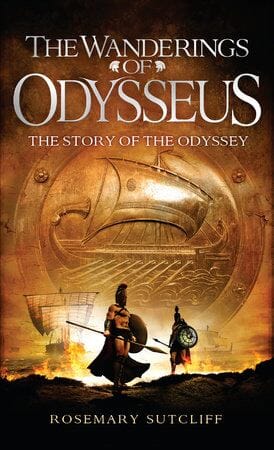
- The Odysseus myth
- The myth of Wings
- The Maze myth
2. Traditional Stories
Traditional Stories (or Traditional tales) are prominent stories in a culture passed down between generations and retold countless times. Folk tales are an oral tradition that includes myths and legends, whereas fairy tales tend to be written and more unbelievable, but these could be called traditional stories. There are also some examples of classic stories, such as:
- Myths fantastical
- Epics
- Legends
- Fables
3. Religious Work
Religious work encompasses stories carried out in the context of a specific religion or set of beliefs. It includes various forms, such as:
Teaching: sermons, religious classes, lectures, or study groups. Teachers may explain religious texts, provide guidance on moral and ethical issues, or impart spiritual knowledge.
Education: religious schools or seminaries where students study religious scriptures, theology, and history.
Prayer: personal prayer, group prayer, recitation of specific prayers or mantras, or participating in religious rituals centered around prayer.
Philanthropic endeavors:
- Providing food and shelter for the homeless
- Running healthcare clinics or hospitals
- Organizing charitable events
- Supporting orphanages or schools
- Participating in disaster relief efforts
Counseling: spiritual counseling, marriage counseling, grief counseling, or offering guidance on moral dilemmas and ethical decision-making.
Conclusion
In conclusion, modern-day fiction can help us understand and explore every work of culture. Understanding modern-day inventions can give readers the ability to boost their creativity and deeper appreciation of modern-day tales.