


Lesson 2 – Life Science Theories
Introduction
Science is a specific approach of learning or understanding the world. The past 500 years have shown that science is a compelling means of understanding about the world; it is primarily responsible for the technological revolutions that have occurred during this time. There are, however, realms of knowledge and human experience where scientific methods cannot be used. These include answering solely moral questions, artistic questions, and spiritual concerns in general. Science cannot examine these regions because they are outside the sphere of material phenomena, such as matter and energy, and therefore cannot be observed or quantified.
Life science theories are explanations or ideas about how living things work. These theories help us understand the complex processes within living organisms, from the smallest cells to entire ecosystems. Through this lesson, we achieve the following main objectives:
- Define some categories regarding to Life Science.
- Describe how evidence is used create and support scientific theories.
I. The process of science is a systematic approach to understanding the natural world. It involves several steps:
- Observation: Scientists collect and record data through observation, which allows them to develop and test hypotheses and ideas. Scientists observe in a variety of ways, using their own senses as well as instruments like microscopes, scanners, and transmitters to enhance their vision or hearing.
- Question: Based on their observations, scientists ask questions about the natural world. These questions may be broad or specific and can often be answered by designing experiments. The question Charles Darwin might have asked after seeing so many different finches was something like this: What caused such diversity of finches on the Galapagos Islands? Scientific research inquiries inquire as to how or why something occurs. The problem of the experiment is another term for scientific research questions. You may also be asked to identify the experiment's purpose. The experiment's goal is the same as the scientific research question, but it takes the form of a statement rather than a question.
- Hypothesis: A hypothesis is a belief or argument brought through based on inadequate information that serves as the basis for future research.
- Experiment: Scientists design experiments to test their hypotheses. Experiments involve manipulating one or more variables and observing the results.
- Data collection: Scientists collect data by recording observations or measurements during an experiment. This data is often numerical and can be analyzed statistically.
- Analysis: Scientists analyze the collected data to determine whether the evidence supports their hypothesis.
- Conclusion: Based on their analysis, scientists draw conclusions about the natural world. If the evidence supports their hypothesis, they may develop a theory explaining the observed phenomenon.
- Communication: Scientists communicate their findings to others through publications in scientific journals, conferences, or public lectures. This allows for peer review and further investigation by other scientists.
II. The life sciences cover a wide range of fields, including:
- Biology: the study of living organisms and their interactions with each other and their environment.
- Genetics: the study of genes, heredity, and genetic variation in living organisms.
- Microbiology: the study of microorganisms, including bacteria, viruses, and fungi.
- Biochemistry: the study of chemical processes within living organisms.
- Ecology: the study of the interactions between living organisms and their environment.
- Zoology: the study of animals, including their behavior, physiology, and Evolution.
- Botany: the study of plants, including their structure, function, and Evolution.
- Neurobiology: Discovering the biological processes by which neural systems mediate behavior is the goal of neurobiology.
- Evolutionary biology: the study of the origin and diversification of species over time.
III. Scientific Evidence and Theories in the Life Sciences
The life sciences include many scientific disciplines, such as biology, genetics, ecology, and physiology. Scientific evidence and theories in these fields are primarily based on observation, experimentation, and analysis of living organisms and their environmental interactions.
1. The Theory of Evolution
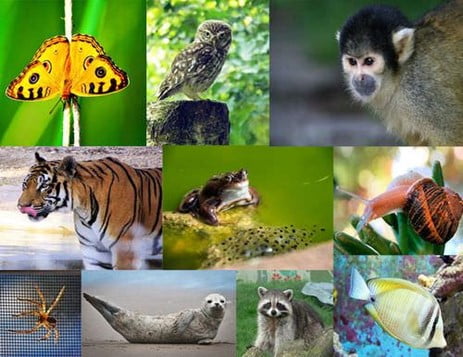
Theory of Evolution explains how populations of organisms can change over time. It also explains why there are many different types of organisms on Earth. This theory is often called the “great unifier” of biology because it applies to every field of biology. It also explains how all living organisms on Earth come from common ancestors.
When an environment changes, the attributes that help people survive in that environment change as well. Natural selection was such an effective notion for understanding the evolution of life that it was accepted as a scientific theory. Since then, biologists have found several examples of natural selection influencing evolution. It is now understood to be one of the ways through which life evolves. A mechanism known as genetic drift, for example, can also cause species to evolve. In genetic drift, certain species generate more offspring than would be predicted by chance. Those organisms may not be the fittest of their species, yet their genes are handed down to the next generation.
2. The cell theory
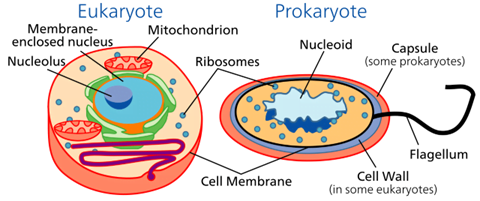
The Cell Theory states that:
- All organisms are composed of cells.
- Cells are the basic units of structure and function in an organism.
- Cells only come from preexisting cells; life comes from life.
- The development of the microscope in the mid-1600s made it possible for scientists to develop this theory.
3. The theory of inheritance
The theory of heredity describes how qualities are passed from one generation to subsequent generations in terms of genetics. Studies on the structure and function of DNA have provided strong evidence for this theory and have led to new fields such as genomics and genetic engineering.
Ecology is another important field in the life sciences, which studies the interactions between organisms and their environment. The theory of ecosystem dynamics explains how energy and nutrients flow through ecosystems and how they are affected by climate change and human activities.
Conclusion
Life sciences are critically important because they encompass the study of all living things – from the smallest microorganisms to the largest animals and plants. The knowledge gained from studying life sciences is used in various fields, including medicine, agriculture, biotechnology, genetics, environmental science, and more. Overall, life sciences research is essential for addressing many of the world’s most pressing challenges, from improving human health to protecting the environment to advancing technology.