


Lesson 12 – How Techonology Plays an Important Role in the Study of Biology
Introduction
Biology is a fascinating field focusing on living organisms and their environmental interactions. Over the years, technological advancements have revolutionized how we understand and study biology. From microscopes to genetic sequencing, technology has become an indispensable tool in unraveling the mysteries of life. This essay will explore how technology plays a crucial role in studying biology and how it has transformed our understanding of the living world.

Computers have become an integral part of modern scientific research, including biology. They facilitate the collection, analysis, and interpretation of vast data, making complex biological processes more accessible and understandable. Let’s delve into some key areas where technology has significantly impacted biology:
I. Advances in Technologies with Relevance to Biology:
1. Microscopes and Imaging Techniques:
Technology has dramatically enhanced our ability to observe and understand the microscopic world. Early microscopes provided scientists with the first glimpses of cells, opening a new realm of biological exploration. As technology progressed, electron microscopes and confocal microscopes emerged, allowing scientists to visualize cells, tissues, and microorganisms with unparalleled detail and clarity. These imaging techniques have played a pivotal role in studying cellular processes, the structure-function relationship, and the intricate mechanisms within living organisms.
2. Genetic Technologies:
The advent of genetic technologies has revolutionized the field of biology. DNA sequencing, for instance, has enabled scientists to decipher the complete genetic code of organisms. This breakthrough has led to significant advancements in understanding genetics, heredity, and the role of DNA in living organisms. The Polymerase Chain Reaction (PCR) technique allows scientists to amplify specific DNA sequences, making it a powerful tool in various applications, such as medical diagnostics, genetic profiling, and forensic investigations. These genetic technologies have paved the way for genomics, personalized medicine, and genetic engineering, offering promising avenues for improving human health and addressing genetic disorders.
3. Bioinformatics:
The explosion of biological data generated by genetic technologies and other research techniques has created a need for advanced computational tools to analyze and interpret this vast amount of information. Bioinformatics combines biology, computer science, and statistics to develop algorithms and databases for organizing, analyzing, and visualizing biological data. These tools and techniques have been instrumental in deciphering complex biological systems, understanding evolutionary relationships, predicting protein structures, and exploring gene expression patterns. Bioinformatics has become a required field for harnessing the power of technology in biology and has broad applications in areas such as drug discovery, disease modeling, and personalized medicine.
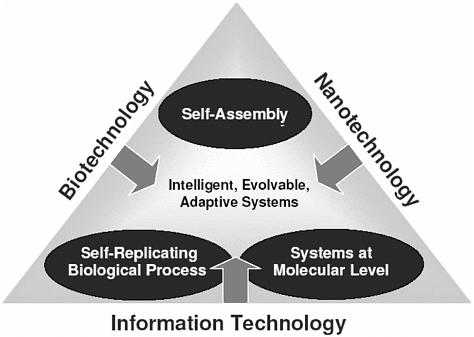
Figure 1: Three advances in technology with relevance to Biology
II. Impact of Advanced Technology in Biology:
1. Medical Applications:
Technology has made significant contributions to medical diagnostics and treatments. Medical imaging techniques, such as Magnetic Resonance Imaging (MRI) and Computed Tomography (CT) scans, utilize advanced technology to visualize internal body structures and detect abnormalities. These non-invasive techniques have revolutionized medical diagnostics, allowing doctors to identify diseases, monitor treatment progress, and guide surgical interventions. Moreover, technologies like gene editing using CRISPR-Cas9 hold immense promise for targeted interventions and potential cures for genetic disorders, cancer, and infectious diseases.
2. Environmental Monitoring:
Technology plays a crucial role in monitoring and understanding ecosystems and the impact of human activities on the environment. Remote sensing, drones, and satellites equipped with advanced sensors allow scientists to collect data on biodiversity, climate change, and pollution levels on a global scale. This wealth of information enables us to track environmental changes, study habitat loss, and develop conservation and sustainable resource management strategies. By leveraging technology, we can make informed decisions to mitigate the negative impacts of human activities and work towards a more sustainable future.
3. Agriculture and Food Production:
Technology has revolutionized agriculture and food production, addressing the challenges of feeding a growing global population. Genetic engineering has facilitated the development of crop varieties with improved yield, pest resistance, and nutritional value. Precision farming techniques, including sensor-based monitoring, data analytics, and automated systems, optimize resource allocation, reduce waste, and increase productivity. Advanced technologies also enable the production of alternative food sources, such as lab-grown meat and plant-based proteins, offering sustainable alternatives to conventional agriculture.
III. Technologies Enabling Modern Uses of Biology:
1. Biotechnology and Industrial Applications:
Biotechnology harnesses the power of living organisms to develop products and processes with wide-ranging applications. Biotechnology has transformed multiple industries, from producing pharmaceuticals and biofuel to manufacturing enzymes and chemicals. Genetic modification of crops has allowed for enhanced nutritional content, improved resistance to pests and diseases, and increased crop yields. Biotechnology offers tremendous potential in waste management, environmental remediation, and producing renewable resources, paving the way for a more sustainable and bio-based economy.
2. Neuroscience and Brain Research:
Technological advancements have significantly advanced our understanding of the brain’s complex workings. Functional Magnetic Resonance Imaging (fMRI) allows researchers to observe brain activity in real-time, helping unravel the mysteries of cognition, perception, and behavior. Techniques like optogenetics enable precise control of neural activity, providing insights into the underlying mechanisms of brain disorders and potential therapeutic interventions. Integrating technology with neuroscience holds immense promise for addressing neurological diseases and conditions, improving mental health treatments, and developing brain-computer interfaces.
The DNA or RNA must first be isolated or extracted from the cells to research or work with nucleic acids. Different methods are employed to extract DNA (Figure 2). Most nucleic acid extraction methods require opening up the cell to use enzymatic processes to break down any undesirable macromolecules and separate them from the DNA sample. A lysis buffer, primarily a detergent solution, is used to break cells; “lysis” means “to split.” These enzymes disassemble the lipid molecules found in nuclear and cell membranes. Enzymes like proteases, which degrade proteins, and ribonucleases (RNases), which degrade RNA, inactivate macromolecules. Alcohol is then used to precipitate the DNA. A gelatinous, white mass known as human genomic DNA can be seen. For several years, the DNA samples can be kept frozen at -80°C.
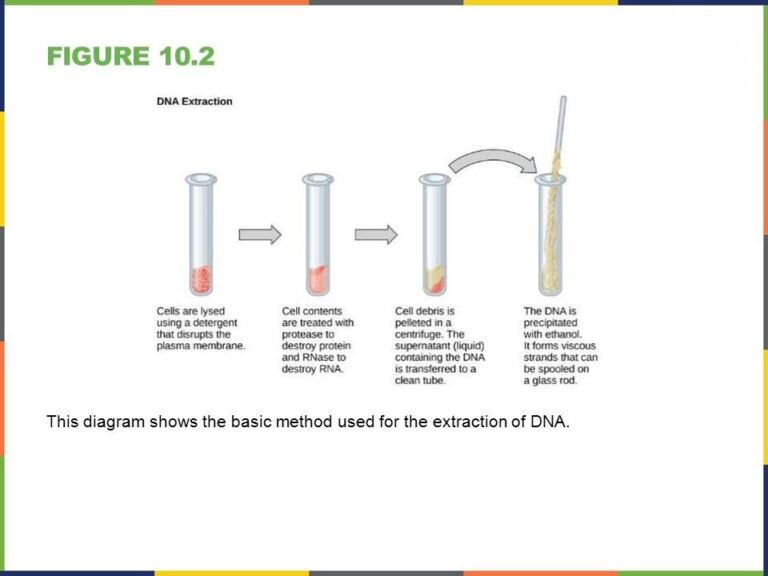
Figure 2: This diagram shows the basic method used for the extraction of DNA.
Gene expression patterns in cells are investigated via RNA analysis. Due to the frequent occurrence of RNAses in nature and their challenging inactivation, RNA is extremely unstable by nature. Similar to DNA extraction, a variety of buffers and enzymes are used to inactivate macromolecules and protect the RNA during RNA extraction.
3. Synthetic Biology:
Synthetic biology is an emerging field that combines biology, engineering, and computer science to design and construct novel biological systems. It enables scientists to manipulate and engineer genetic material to create organisms with desired properties or functions. This field holds potential applications in medicine, energy production, environmental remediation, and the development of bio-based materials. Synthetic biology allows us to envision a future where biological systems can be engineered to address societal challenges, create sustainable solutions, and improve human well-being.
Conclusion
Technology has revolutionized the study of biology, enabling scientists to explore the intricate workings of life at unprecedented levels. Technological advancements have expanded our understanding of the living world, from microscopic imaging and genetic sequencing to computational analysis and genetic engineering. Through medical applications, environmental monitoring, agricultural innovations, and the emergence of biotechnology and synthetic biology, technology continues to shape and transform the field of biology. As technology continues to advance, the future of biology holds immense potential for groundbreaking discoveries, leading to a deeper understanding of life and offering solutions to some of the most pressing global challenges we face.